

Kirjailija
L. Hopkins
Kirjat ja teokset yhdessä paikassa: 14 kirjaa, julkaisuja vuosilta 1997–2013, suosituimpiin kuuluu Christopher Marlowe. Vertaile teosten hintoja ja tarkista saatavuus suomalaisista kirjakaupoista.
14 kirjaa
Kirjojen julkaisuvuodet: 1997–2013.
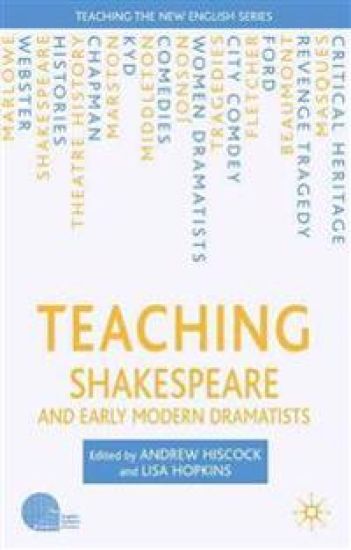
Teaching Shakespeare and Early Modern Dramatists
A. Hiscock; L. Hopkins
Palgrave Macmillan
2007
nidottu
This collection offers practical suggestions for the integration of non-Shakespearean drama into the teaching of Shakespeare. It shows both the ways in which Shakespearean drama is typical of its period and of the ways in which it is distinctive, by looking at Shakespeare and other writers who influenced and developed the genres in which he worked.
Teaching Shakespeare and Early Modern Dramatists
A. Hiscock; L. Hopkins
Palgrave Macmillan
2007
sidottu
This collection offers practical suggestions for the integration of non-Shakespearean drama into the teaching of Shakespeare. It shows both the ways in which Shakespearean drama is typical of its period and of the ways in which it is distinctive, by looking at Shakespeare and other writers who influenced and developed the genres in which he worked.
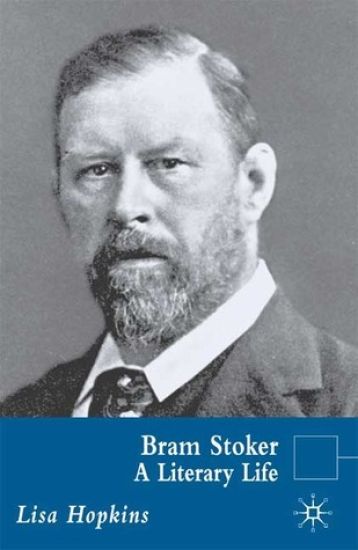
This book charts the major events of Stoker's life, including friendships with many of the major figures of the age and as manager of Henry Irving's Lyceum, with his literary career. It offers critical evaluation of Dracula and of Stoker's lesser-known works, yielding much interest when reinserted into their original cultural contexts.
This book charts the major events of Stoker's life, including friendships with many of the major figures of the age and as manager of Henry Irving's Lyceum, with his literary career. It offers critical evaluation of Dracula and of Stoker's lesser-known works, yielding much interest when reinserted into their original cultural contexts.
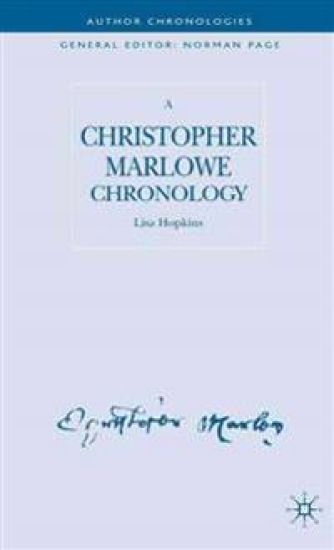
This new Chronology offers a unique and accessible overview of key dates relevant to Christopher Marlowe's life and works, and enables readers to navigate their way through the various pieces of evidence for the hotly contested dating of his plays and poems. Since Marlowe's plays often focus on real historical figures, details of their lives are also included to allow readers to see what liberties Marlowe has taken in his dramatizations of their lives.
This new Chronology offers a unique and accessible overview of key dates relevant to Christopher Marlowe's life and works, and enables readers to navigate their way through the various pieces of evidence for the hotly contested dating of his plays and poems. Since Marlowe's plays often focus on real historical figures, details of their lives are also included to allow readers to see what liberties Marlowe has taken in his dramatizations of their lives.
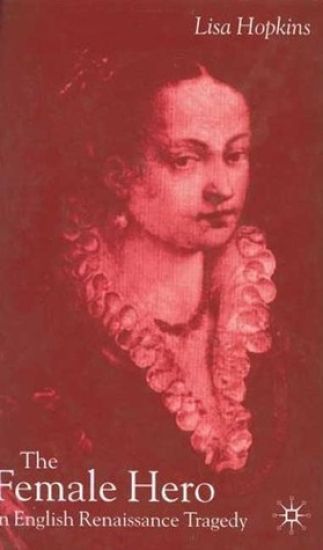
This book focuses on female tragic heroes in England from c.1610 to c.1645. Their sudden appearance can be linked to changing ideas about the relationships between bodies and souls; men's bodies and women's; marriage and mothering; the law; and religion. Though the vast majority of these characters are closer to villainesses than heroines, these plays, by showing how misogyny affected the lives of their central characters, did not merely reflect their culture, but also changed it.
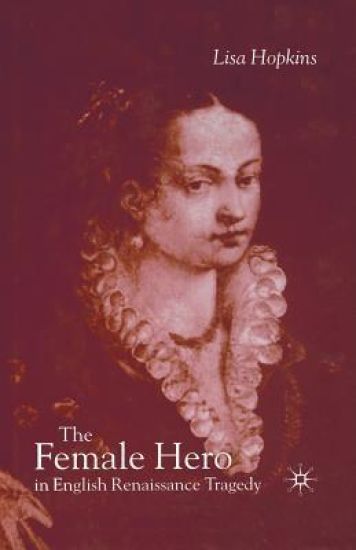
This book focuses on female tragic heroes in England from c.1610 to c.1645. Their sudden appearance can be linked to changing ideas about the relationships between bodies and souls; men's bodies and women's; marriage and mothering; the law; and religion. Though the vast majority of these characters are closer to villainesses than heroines, these plays, by showing how misogyny affected the lives of their central characters, did not merely reflect their culture, but also changed it.
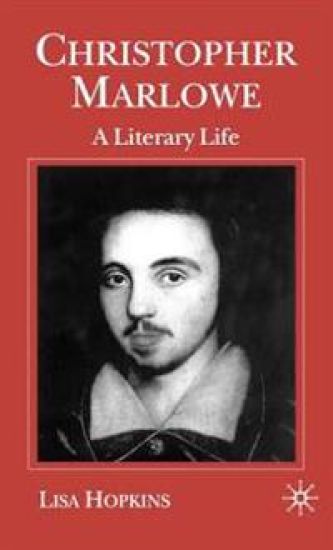
Christopher Marlowe: A Literary Life situates the individual works of Marlowe within the context of his overall literary career. Areas covered include Marlowe's preference for foreign settings and his unusually accurate depictions of them, the importance of his scholarly background, his consistent portrayal of family groups as fissured and troubled, the challenge that his works posed to contemporary orthodoxies about religion, sexuality, and government, and the long and sometimes spectacular afterlife of his works and of his literary reputation as a whole.
Christopher Marlowe: A Literary Life situates the individual works of Marlowe within the context of his overall literary career. Areas covered include Marlowe's preference for foreign settings and his unusually accurate depictions of them, the importance of his scholarly background, his consistent portrayal of family groups as fissured and troubled, the challenge that his works posed to contemporary orthodoxies about religion, sexuality, and government, and the long and sometimes spectacular afterlife of his works and of his literary reputation as a whole.
Marriage features to a greater or lesser extent in virtually every play Shakespeare wrote - as the festive end of comedy, as the link across the cycles of the history plays, as a marker of the difference between his own society and that depicted in the Roman plays, and, all too often, as the starting-point for the tragedies. Situating his representations of marriage firmly within the ideologies and practices of Renaissance culture, Lisa Hopkins argues that Shakespeare anatomises marriage much as he does kingship, and finds it similarly indispensable to the underpinning of society, however problematic it may be as a guarantor of personal happiness.
Marriage features to a greater or lesser extent in virtually every play Shakespeare wrote - as the festive end of comedy, as the link across the cycles of the history plays, as a marker of the difference between his own society and that depicted in the Roman plays, and, all too often, as the starting-point for the tragedies. Situating his representations of marriage firmly within the ideologies and practices of Renaissance culture, Lisa Hopkins argues that Shakespeare anatomises marriage much as he does kingship, and finds it similarly indispensable to the underpinning of society, however problematic it may be as a guarantor of personal happiness.
Marriage features to a greater or lesser extent in virtually every play Shakespeare wrote - as the festive end of comedy, as the link across the cycles of the history plays, as a marker of the difference between his own society and that depicted in the Roman plays, and, all too often, as the starting-point for the tragedies. Situating his representations of marriage firmly within the ideologies and practices of Renaissance culture, Lisa Hopkins argues that Shakespeare anatomises marriage much as he does kingship, and finds it similarly indispensable to the underpinning of society, however problematic it may be as a guarantor of personal happiness.