Kirjojen hintavertailu – 12 859 824 kirjaa ja 27 kauppaa

Kirjailija

Lambros Malafouris

Kirjat ja teokset yhdessä paikassa: 4 kirjaa, julkaisuja vuosilta 2016–2026, suosituimpiin kuuluu People Are Strange: Material Engagement and the Creation of Self-Consciousness. Vertaile teosten hintoja ja tarkista saatavuus suomalaisista kirjakaupoista.

4 kirjaa

Kirjojen julkaisuvuodet: 2016–2026.

An Anthropological Guide to the Art and Philosophy of Mirror Gazing

An Anthropological Guide to the Art and Philosophy of Mirror Gazing

Maria Danae Koukouti; Lambros Malafouris

BLOOMSBURY PUBLISHING PLC
2022
nidottu
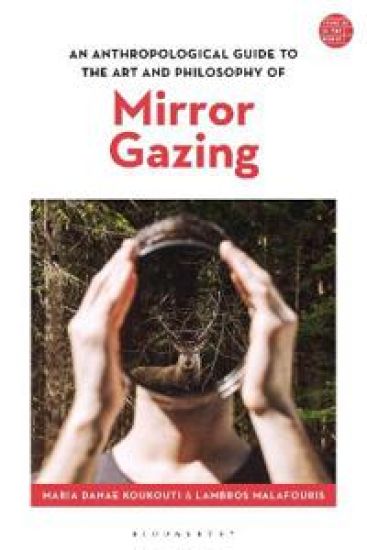
Looking at one's face in the mirror and finding one's self in the mirror are not the same. The former capacity is something we share with other animals; the latter is a skill: something we have to learn. What does it mean and what does it take to find oneself the mirror? This book provides a comparative anthropological enquiry into the unity and diversity of mirror gazing. The reader is encouraged to reflect upon and experiment with different mirror gazes through a range of case studies. Koukouti and Malafouris weave together anthropology with philosophy and draw on examples from literature and experiments from psychopathology in a way that has never been attempted before. The master metaphor is that of the mirror as trap. Mirror gazing is viewed on a par with hunting. Mirroring signifies the hunt for self-knowledge. In a time obsessed with the digital self-image, Koukouti and Malafouris reflect on the structures of consciousness that underpin the different ways of looking at and through the mirror. Combining metaphor, comparison and estrangement, they gesture towards a therapeutic alliance between body and mirroring. This allows us to look in the mirror, and think of our shared humanity differently.
An Anthropological Guide to the Art and Philosophy of Mirror Gazing

An Anthropological Guide to the Art and Philosophy of Mirror Gazing

Maria Danae Koukouti; Lambros Malafouris

Bloomsbury Academic
2020
sidottu
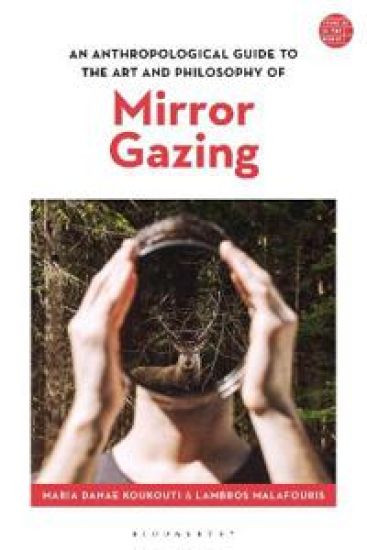
Looking at one's face in the mirror and finding one's self in the mirror are not the same. The former capacity is something we share with other animals; the latter is a skill: something we have to learn. What does it mean and what does it take to find oneself the mirror? This book provides a comparative anthropological enquiry into the unity and diversity of mirror gazing. The reader is encouraged to reflect upon and experiment with different mirror gazes through a range of case studies. Koukouti and Malafouris weave together anthropology with philosophy and draw on examples from literature and experiments from psychopathology in a way that has never been attempted before. The master metaphor is that of the mirror as trap. Mirror gazing is viewed on a par with hunting. Mirroring signifies the hunt for self-knowledge. In a time obsessed with the digital self-image, Koukouti and Malafouris reflect on the structures of consciousness that underpin the different ways of looking at and through the mirror. Combining metaphor, comparison and estrangement, they gesture towards a therapeutic alliance between body and mirroring. This allows us to look in the mirror, and think of our shared humanity differently.
How Things Shape the Mind

How Things Shape the Mind

Lambros Malafouris; Colin Renfrew

MIT Press
2016
pokkari

Halvin toimitettuna 54,50 €

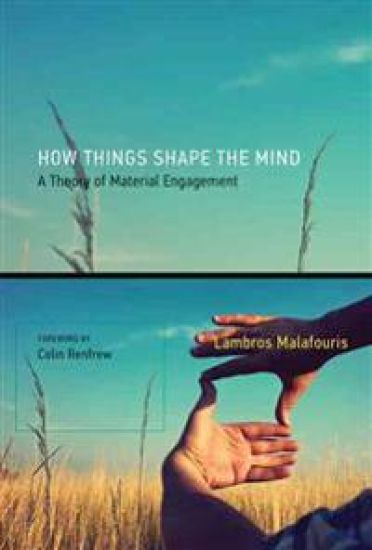
An account of the different ways in which things have become cognitive extensions of the human body, from prehistory to the present. An increasingly influential school of thought in cognitive science views the mind as embodied, extended, and distributed rather than brain-bound or "all in the head." This shift in perspective raises important questions about the relationship between cognition and material culture, posing major challenges for philosophy, cognitive science, archaeology, and anthropology. In How Things Shape the Mind, Lambros Malafouris proposes a cross-disciplinary analytical framework for investigating the ways in which things have become cognitive extensions of the human body. Using a variety of examples and case studies, he considers how those ways might have changed from earliest prehistory to the present. Malafouris's Material Engagement Theory definitively adds materiality-the world of things, artifacts, and material signs-into the cognitive equation. His account not only questions conventional intuitions about the boundaries and location of the human mind but also suggests that we rethink classical archaeological assumptions about human cognitive evolution.