Kirjojen hintavertailu – 12 859 826 kirjaa ja 27 kauppaa
Kirjailija
Lapp Diane K.
Kirjat ja teokset yhdessä paikassa: 4 kirjaa, julkaisuja vuosilta 2014–2016, suosituimpiin kuuluu Reading and Writing in Science. Vertaile teosten hintoja ja tarkista saatavuus suomalaisista kirjakaupoista.
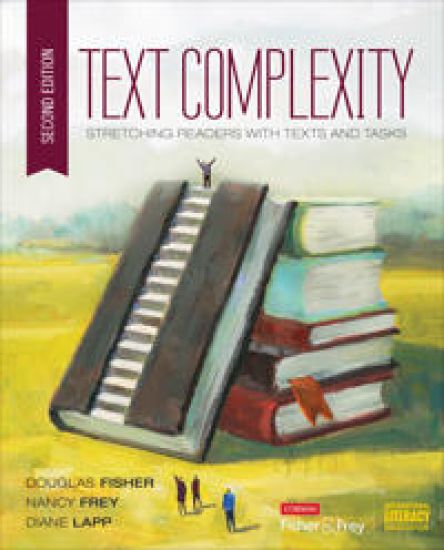
Guides teachers on how to craft instruction pitched to students’ comprehension capacities, curriculum themes, and teachers’ own assessments on what students need next. Updates to this new edition include and a rubric for analysing text complexity and new ideas on close, small group reading, and independent reading.
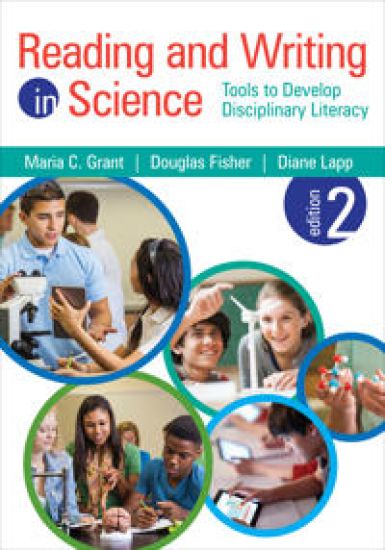
This book offers science teachers a collection of research-based literacy strategies that can be implemented to help students develop science vocabulary, comprehend science textbooks and other reading materials, and engage in writing assignments that lead to better understanding of science content. Co-authored by a science educator and a literacy expert, the focus throughout is on using these strategies to enhance and deepen science content learning. The authors illustrate use of the strategies with science-specific examples. The authors include structures for scaffolding textbook access, ways for teachers to expand literacy in the classroom through the use of trade books, and strategies for assessing student learning.
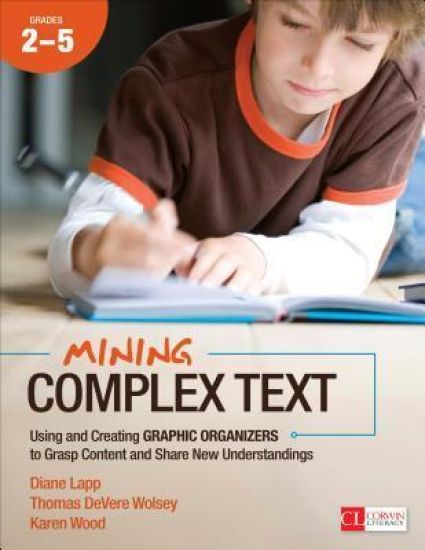
Your power tools for making the complex comprehensible Now more than ever, our students are being asked to do highly advanced thinking, talking, and writing around their reading. If only there were ingenious new tools that could give our students the space to tease apart complex ideas in order to comprehend and weld their understandings into a new whole. Good news: these tools exist—Mining Complex Text. You’ll learn how graphic organizers can: Help students read, reread, and take notes on a text Promote students’ oral sharing of information and their ideasElevate organized note-making from complex text(s)Scaffold students’ narrative and informational writing
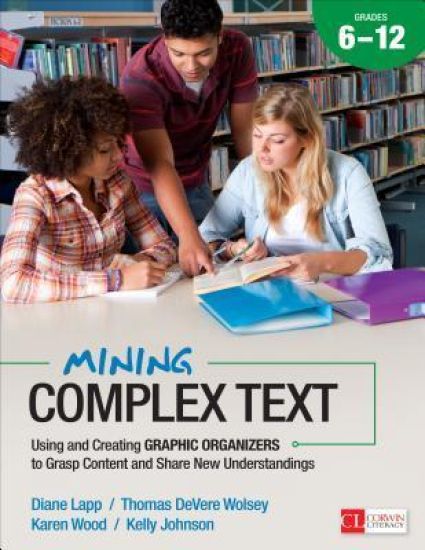
Your power tools for making the complex comprehensible Now more than ever, our students are being asked to do highly advanced thinking, talking, and writing around their reading. If only there were ingenious new tools that could give our students the space to tease apart complex ideas in order to comprehend and weld their understandings into a new whole. Good news: these tools exist—Mining Complex Text. You’ll learn how graphic organizers can: Help students read, reread, and take notes on a textPromote students’ oral sharing of information and their ideasElevate organized note-making from complex text(s)Scaffold students’ narrative and informational writing