Kirjojen hintavertailu – 12 859 828 kirjaa ja 27 kauppaa

Kirjailija

Larissa Behrendt

Kirjat ja teokset yhdessä paikassa: 11 kirjaa, julkaisuja vuosilta 2010–2025, suosituimpiin kuuluu Indigenous Australia For Dummies. Vertaile teosten hintoja ja tarkista saatavuus suomalaisista kirjakaupoista.

11 kirjaa

Kirjojen julkaisuvuodet: 2010–2025.

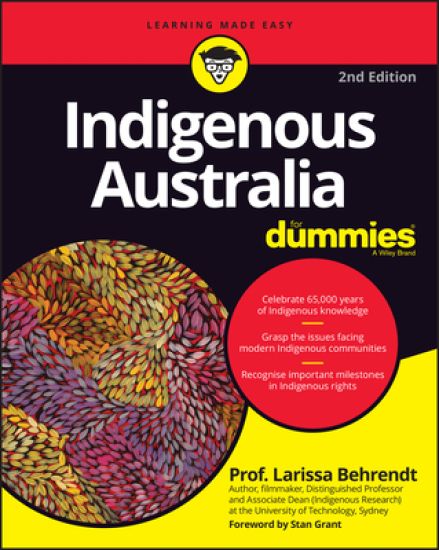
Indigenous Australia For Dummies

Indigenous Australia For Dummies

Larissa Behrendt; Stan Grant

John Wiley Sons Australia Ltd
2021
nidottu

Halvin toimitettuna 29,10 €

A comprehensive, relevant, and accessible look at all aspects of Indigenous Australian history and culture What is The Dreaming? How many different Indigenous tribes and languages once existed in Australia? What is the purpose of a corroboree? What effect do the events of the past have on Indigenous peoples today? Indigenous Australia For Dummies, 2nd Edition answers these questions and countless others about the oldest race on Earth. It explores Indigenous life in Australia before 1770, the impact of white settlement, the ongoing struggle by Aboriginal and Torres Strait Islander peoples to secure their human rights and equal treatment under the law, and much more. Celebrating the contributions of Indigenous people to contemporary Australian culture, the book explores Indigenous art, music, dance, literature, film, sport, and spirituality. It discusses the concept of modern Indigenous identity and examines the ongoing challenges facing Indigenous communities today, from health and housing to employment and education, land rights, and self-determination. Explores significant political moments—such as Paul Keating's Redfern Speech, Kevin Rudd's apology, and moreProfiles celebrated people and organisations in a variety of fields, from Cathy Freeman to Albert Namatjira to the Bangarra Dance Theatre and the National Aboriginal Radio ServiceChallenges common stereotypes about Indigenous people and discusses current debates, such as land rights and inequalities in health and education Now in its second edition, Indigenous Australia For Dummies will enlighten readers of all backgrounds about the history, struggles and triumphs of the diverse, proud, and fascinating peoples that make up Australia's Indigenous communities. With a foreword by Stan Grant, it's a must-read account of Australia’s first people.
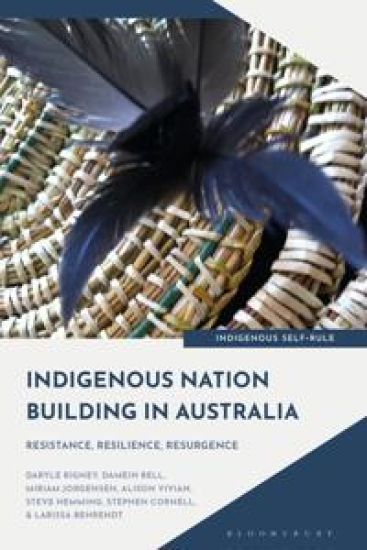
Indigenous Nation-Building in Australia

Indigenous Nation-Building in Australia

Larissa Behrendt; Miriam Jorgensen; Alison Vivian; Daryle Rigney; Damein Bell; Steve Hemming; Stephen Cornell

BLOOMSBURY PUBLISHING PLC
2025
sidottu
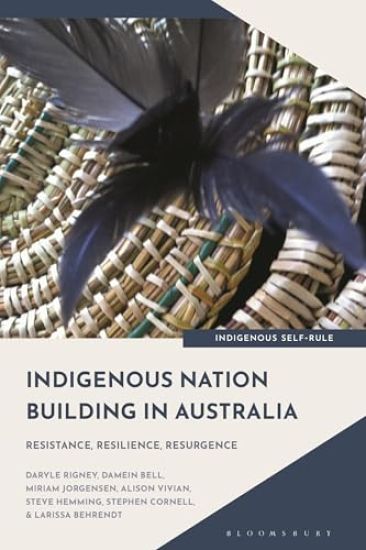
This vital and timely book is the first sustained investigation of the creative strategies employed by two Australian Indigenous nations in re-asserting their sovereign capacities for self-determination. Continuing the remarkable history of Indigenous peoples resisting settler-colonialism, these nations echo the resurgence of collective cultural identity and political capacity evident across Australia. Describing and comparing the governance innovations developed by Elders and leaders of the Gunditjmara People and the Ngarrindjeri Nation reveals the distinctive contributions made by Aboriginal and Torres Strait Islander nations to a worldwide movement of Indigenous nation rebuilding. Facing the realities of structuring and rebuilding Indigenous nationhood, the political techniques set out in Indigenous Nation-Building in Australia range from transforming localised instances of injustice to developing communities and protecting ancestral Country. By sharing these Australian Indigenous leaders’ insights, this book provides practical, sophisticated and tested methods to further Indigenous self-government across the globe.
Indigenous Nation-Building in Australia

Indigenous Nation-Building in Australia

Larissa Behrendt; Miriam Jorgensen; Alison Vivian; Daryle Rigney; Damein Bell; Steve Hemming; Stephen Cornell

BLOOMSBURY PUBLISHING PLC
2025
nidottu
This vital and timely book is the first sustained investigation of the creative strategies employed by two Australian Indigenous nations in re-asserting their sovereign capacities for self-determination. Continuing the remarkable history of Indigenous peoples resisting settler-colonialism, these nations echo the resurgence of collective cultural identity and political capacity evident across Australia. Describing and comparing the governance innovations developed by Elders and leaders of the Gunditjmara People and the Ngarrindjeri Nation reveals the distinctive contributions made by Aboriginal and Torres Strait Islander nations to a worldwide movement of Indigenous nation rebuilding. Facing the realities of structuring and rebuilding Indigenous nationhood, the political techniques set out in Indigenous Nation-Building in Australia range from transforming localised instances of injustice to developing communities and protecting ancestral Country. By sharing these Australian Indigenous leaders’ insights, this book provides practical, sophisticated and tested methods to further Indigenous self-government across the globe.
Finding Eliza: Power and Colonial Storytelling

Finding Eliza: Power and Colonial Storytelling

Larissa Behrendt; Fiona Foley

UNIVERSITY OF QUEENSLAND PRESS
2024
pokkari
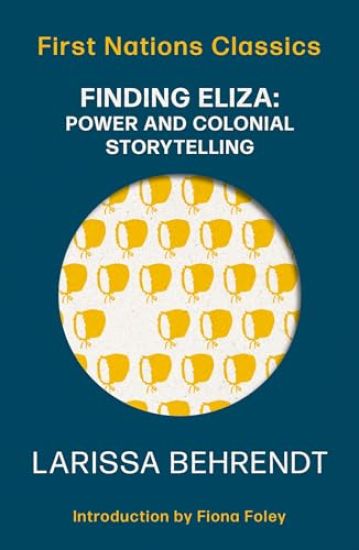
Now included in UQP's First Nations Classics series with an introduction by Fiona Foley, Finding Eliza is a vital Indigenous perspective on colonial storytelling. Aboriginal lawyer, writer and filmmaker Larissa Behrendt has long been fascinated by the story of Eliza Fraser, who was purportedly captured by the Butchulla people after she was shipwrecked on their island off the Queensland coast in 1836. In this deeply personal book, Behrendt uses Eliza's tale as a starting point to interrogate how Aboriginal people - and indigenous people of other countries - have been portrayed in their colonisers' stories. Exploring works as diverse as Robinson Crusoe and Coonardoo, Behrendt looks at the stereotypes embedded in these accounts, including the assumption of cannibalism and the myth of the noble savage. Ultimately, Finding Eliza shows how these stories not only reflect the values of their storytellers but also reinforce those values - and how, in Australia, this has contributed to a complex racial divide.
Networks

Networks

Larissa Behrendt

Sydney University Press
2022
nidottu
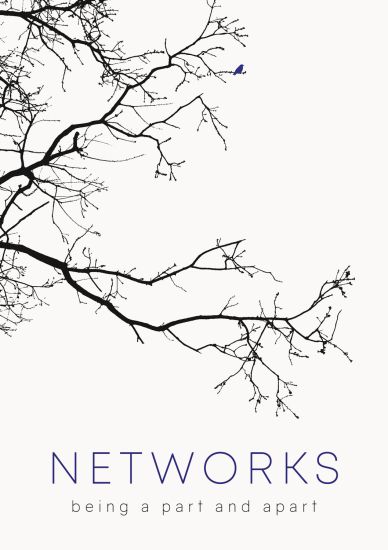
Our world is built around the people, groups and communities we surround ourselves with. They form networks of connections, beliefs and ideas that can help to shape the people we become. These networks have become vital in a time where lockdowns have pushed us apart, and reinforced the need to be a part of something whole. This anthology examines the ways we find joy in lockdown, keep people and places alive through memory, and search for connection in an increasingly digital age. Featuring poetry, short stories and visual art, it introduces bold new voices that will command your attention and prompt you to think differently about the relationships that make everyday life worthwhile.
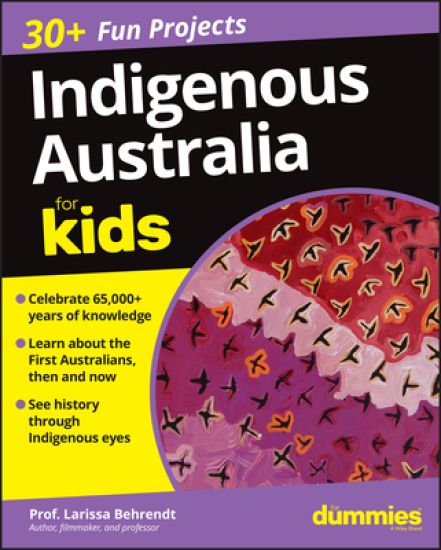
Indigenous Australia For Kids For Dummies

Indigenous Australia For Kids For Dummies

Larissa Behrendt; Cathy Freeman

JOHN WILEY SONS AUSTRALIA LTD
2021
nidottu

Halvin toimitettuna 24,30 €

A comprehensive, relevant, and accessible look at all aspects of Indigenous Australian history and culture Indigenous Australia For Kids For Dummies is here to enlighten you about the history, struggles and triumphs of the diverse peoples that make up Australia’s Indigenous communities. Did you know that Australia is home to the world’s oldest culture? Experience 60,000 years of history and culture, plus, get right up-to-the-minute, with amazing facts about Indigenous sports and entertainment figures and info on what matters to Indigenous peoples today. This interactive book has loads of features that will engage and excite readers aged 10-15 years old – and their teachers and parents! Featuring profiles of celebrated Indigenous people like Cathy Freeman and Albert Namatjira, as well as fun research projects and hands-on activities that bring Indigenous Australia to life. Ever wanted to connect with your local Indigenous communities? This book will give you ideas about how you can connect with First Nations peoples and other interactive ways to extend your learning out of the book. Discover the rich culture, long history and special values of the world’s oldest raceLearn about Indigenous art, song, dance, literature and contributions to contemporary AustraliaImpress friends and family with your knowledge of Australian colonisation and Indigenous rightsFigure out what’s going on in the lives of Indigenous Australians today – and bust the most common myths This book is perfect for young readers who want to appreciate and understand the diverse, proud, and fascinating peoples that make up Australia's Indigenous communities.
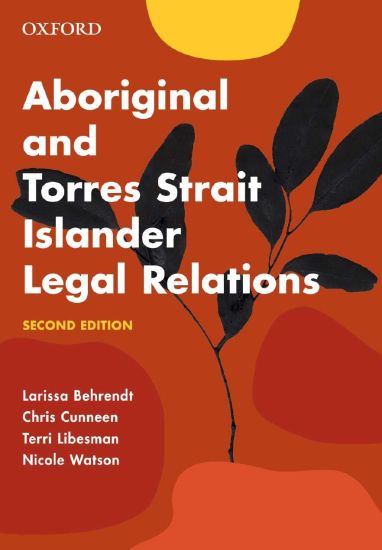
Aboriginal and Torres Strait Islander Legal Relations

Aboriginal and Torres Strait Islander Legal Relations

Larissa Behrendt; Chris Cunneen; Terri Libesman

OUP Australia and New Zealand
2018
nidottu
Aboriginal and Torres Strait Islander Legal Relations Second Edition considers the contact of Aboriginal and Torres Strait Islanders with Anglo-Australian law, and deals primarily with the problems the imposed law has had in its relationship with Indigenous people in Australia. The book is comprehensive in scope and covers key issues relating to sovereignty, jurisdiction and territorial acquisition; family law and child protection; criminal law, policing and sentencing; land rights and native title; cultural heritage, heritage protection and intellectual property; anti-discrimination law; international human rights law; constitutional law; social justice, self-determination and treaty issues.
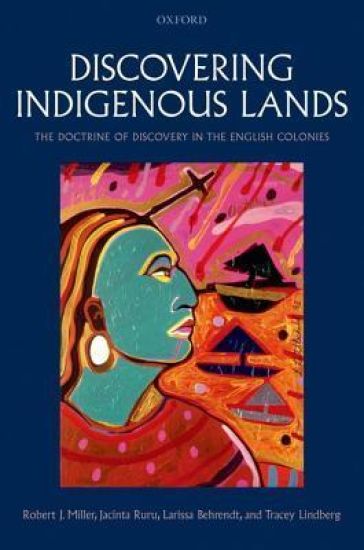
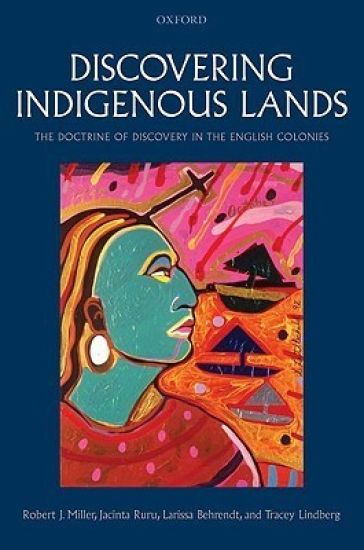
Discovering Indigenous Lands

Discovering Indigenous Lands

Robert J. Miller; Jacinta Ruru; Larissa Behrendt; Tracey Lindberg

Oxford University Press
2012
nidottu
This book presents new material and shines fresh light on the under-explored historical and legal evidence about the use of the doctrine of discovery in Australia, Canada, New Zealand, and the United States. North America, New Zealand, and Australia were colonised by England under an international legal principle that is known today as the doctrine of discovery. When Europeans set out to explore and exploit new lands in the fifteenth through to the twentieth centuries, they justified their sovereign and property claims over these territories and the Indigenous peoples with the discovery doctrine. This legal principle was justified by religious and ethnocentric ideas of European and Christian superiority over the other cultures, religions, and races of the world. The doctrine provided that newly-arrived Europeans automatically acquired property rights in the lands of Indigenous peoples and gained political and commercial rights over the inhabitants. The English colonial governments and colonists in North America, New Zealand, and Australia all utilised this doctrine, and still use it today to assert legal rights to Indigenous lands and to assert control over Indigenous peoples. Written by Indigenous legal academics - an American Indian from the Eastern Shawnee Tribe, a New Zealand Maori (Ngati Rawkawa and Ngati Ranginui), an Aboriginal Australian (Eualayai/Gammilaroi), and a Cree (Neheyiwak) in the country now known as Canada - Discovering Indigenous Lands provides a unique insight into the insidious historical and contemporary application of the doctrine of discovery.
Discovering Indigenous Lands

Discovering Indigenous Lands

Robert J. Miller; Jacinta Ruru; Larissa Behrendt; Tracey Lindberg

Oxford University Press
2010
sidottu
This book presents new material and shines fresh light on the under-explored historical and legal evidence about the use of the doctrine of discovery in Australia, Canada, New Zealand and the United States. North America, New Zealand and Australia were colonised by England under an international legal principle that is known today as the doctrine of discovery. When Europeans set out to explore and exploit new lands in the fifteenth through to the twentieth centuries, they justified their sovereign and property claims over these territories and the indigenous peoples with the discovery doctrine. This legal principle was justified by religious and ethnocentric ideas of European and Christian superiority over the other cultures, religions, and races of the world. The doctrine provided that newly-arrived Europeans automatically acquired property rights in the lands of indigenous peoples and gained political and commercial rights over the inhabitants. The English colonial governments and colonists in North America, New Zealand and Australia all utilised this doctrine, and still use it today to assert legal rights to indigenous lands and to assert control over indigenous peoples. Written by indigenous legal academics - an American Indian from the Eastern Shawnee Tribe, a New Zealand Maori (Ngati Rawkawa and Ngai Te Rangi), an Indigenous Australian, and a Cree (Neheyiwak) in the country now known as Canada, Discovering Indigenous Lands provides a unique insight into the insidious historical and contemporary application of the doctrine of discovery.