

Kirjailija
Lars Gustafsson
Kirjat ja teokset yhdessä paikassa: 40 kirjaa, julkaisuja vuosilta 1978–2026, suosituimpiin kuuluu Skräcken på Färgargården. Vertaile teosten hintoja ja tarkista saatavuus suomalaisista kirjakaupoista.
40 kirjaa
Kirjojen julkaisuvuodet: 1978–2026.
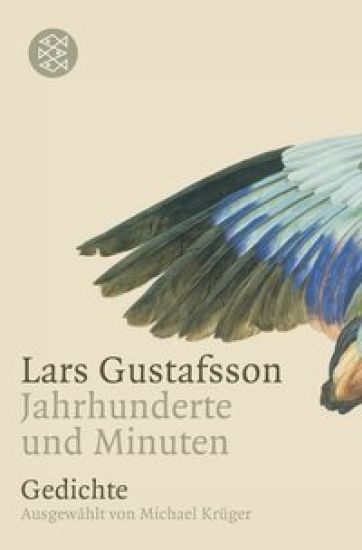
Der große schwedische Romancier Lars Gustafsson hat sein Schreiben als Dichter begonnen und die Poesie nie verlassen. Lakonisch und klug, erzählend und mit Humor erschafft er eine Welt, in der sein quecksilbriges Denken und sein Gefühl für die Dinge eine Balance finden, in der der Leser kurz die Dauer einer Schönheit erblickt. Sein Freund und Verleger Michael Krüger hat einen Querschnitt durch Gustafssons Werk zusammengestellt, eine Sammlung von Gedichten, die von einer "Wärme und Weltvertrauen" getragen sind, "die im krassen Gegensatz steht zu all den Entwürfen der Entzauberung und des Überdrusses, die als Merkmale des modernen Gedichts gelten."
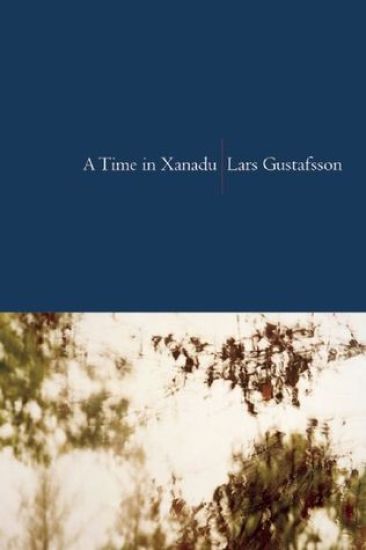
"Lars Gustafsson has an uncompromising vision of the utter complexity of modern life."--The New York Times Book ReviewGustafsson's A Time in Xanadu, his third translated collection of poems, manages to be personal and quirky while also deeply philosophical. --ForeWordFew poets today can so easily without overwriting bridge 'centuries and minutes, ' to use the title of one of Gustafson's poems.--Harvard ReviewFrom the moment it begins, Lars Gustafsson's A Time in Xanadu throws open questions of geography and narration. Where are we? How do we know? Throughout the book, the speaker's voice proves a powerful one as it muses on questions of travel, war, philosophy, and thought itself. The language of Gustafsson's poems is sparse, and his lines are compact and taut. But beneath the neat surfaces of these poems lie surreal and sometimes eerie landscapes: a castle in Cremona, Italy; "those white, strangely meaningless / days between Christmas and New Year;" a library which is "a kind of subway." There are strains of Ezra Pound in this work, and allusions to great continental thinkers--Goethe, Fichte, Nietzsche, Einstein--drift across it. Yet tracing those allusions to their source is neither desirable nor, ultimately, possible. For in the wake of Gustafsson's highly evocative poems, we can only wonder just how much time we have spent, or lost, in Xanadu, or where we went from there. The Khan leaves Xanadu and milkfrom white goats onlyis hurled high into the air on his departureto nourish the spirits of the air. So says Marco Polo, our Venetian witness. Lars Gustafsson is a renowned Swedish poet, novelist, and philosopher who has written dozens of books. He taught philosophy for many years at the University of Texas, Austin. He now lives in Sweden.
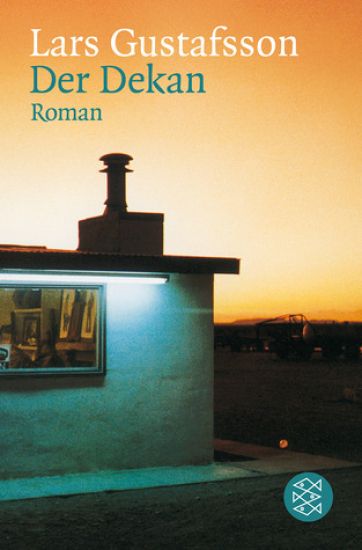
Spencer C. Spencer, Professor für Philosphie und im Büro des Dekans tätig, ist geflohen. In einer heruntergekommenen Pension am Rande der Wüste notiert er die unerhörten Begebenheiten der letzten Jahre. Es geht um Mary Elizabeth, die einen modernen Faust schreiben will, um verschwundene Schriftsteller, um erhängte Universitätspräsidenten und um Leben und Tod. Ein philosphischer Thriller: spannend, intelligent und komisch.

Hela världen är en teater : åtta essäer om Lars Wivallius
Kurt Johannesson; Birger Bergh; Håkan Möller; Lars Gustafsson; Jan Olof Rudén; Claes Ahnlund; Christer Åsberg; Barbro Ståhle Sjönell
Kungl. Vitterhetsakademien
2007
nidottu
En lättsinnig äventyrare som fick blicka ut genom många fängelsegaller - och just därför skrev så ljuvliga visor om friheten och den sköna svenska naturen. Detta är den klassiska bilden av Lars Wivallius som skapades av Henrik Schück vid 1800-talets slut och som sedan har fortlevt genom dikter, dramer, filmer och romaner. Men denne gåtfulle poet hade också andra bottnar. Han levde under 1600-talet, karriäristernas guldålder, och drömde som många ofrälse om att en gång bära adelsmannens rang och ära. Och dit skulle han nå genom dikter, på latin och svenska, eller andra skrifter och flygblad, som skulle fostra det svenska folket till fromhet och lydnad och försvara den svenska politiken i det trettioåriga krigets Europa. Samtidigt var Wivallius en sann retoriker med många gester och masker. Han kunde uppträda som hövisk älskare, from psalmdiktare, illusionslös politiker, allt efter stundens krav. Även detta är typiskt för 1600-talsmänniskan som ofta såg världen som en stor teater. Essäerna i denna bok bygger på de föredrag som hölls vid ett symposium som Kungl. Vitterhetsakademien ordnade för att fira 400-årsminnet av Wivallius födelse.
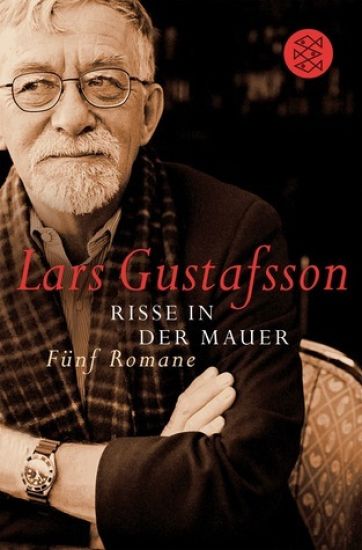
? Warum zum Teufel wird unentwegt von mir verlangt, dass ich mich ändern soll? Warum geschieht nie etwas, das mich verändert?? Zum 70. Geburtstag von Lars Gustafsson, dem großen Schweden, Philosophen, begnadeten Tennisspieler, Lyriker und Romancier, erscheint sein ?persönlichstes? Buch, die Romanpentalogie >Risse in der Mauer< in einem Band. Es sind versammelt: >Herr Gustafsson persönlichWollsachenDas FamilientreffenSigismund< und >Der Tod eines Bienenzüchters

Eine leichthändig geschriebene und auch so zu lesende Sommergeschichte, die auf dem Campus der Universität in Austin, Texas, in den 70er Jahren, spielt. Jeden Morgen radelt Gastprofessor Gustafsson auf seiner Zehngang-Italo-Vega zum Tenniscourt, um danach sein Seminar zur Ideengeschichte des 19. Jahrhunderts und zu einigen seiner Favoriten abzuhalten - Nietzsche, Wagner, Strindberg. Als ihm ein Doktorand eine brisante These zu Strindberg liefert, läßt er das Buch eines polnischen Anarchisten (das diese These vertritt) auf dem Zentralcomputer der Luftabwehr in Texas programmieren. Was zur unfreiwilligen Folge hat, daß das System vorübergehend zusammenbricht. Diese und andere Tragikomödien aus einem glücklichen Campus-Sommer, in dem sehr viel Tennis gespielt wird, machen den Charme dieser Geschichte aus, die wie eine zarte Sommerwolke am Auge des Lesers vorbeizieht.
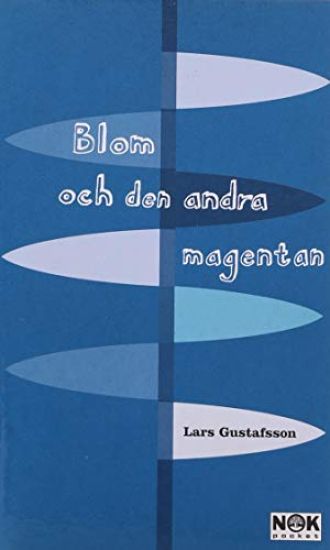
Högsommar i det till synes sömniga lilla samhället Väster Våla. Men lugnet är bedrägligt. Professorn tillika nobelpristagaren Molander har mottagit hotfulla vykort och tillkallar sin vän Arne Blom, pensionerad kriminalare, för att be om hjälp. Kan hotelserna möjligen ha något samband med den andra magentan – ett av världens mest sällsynta och värdefulla frimärken? Existerar verkligen ett andra exemplar av denna raritet? Och hur och varför skulle det i så fall ha hamnat i en svensk liten avkrok? Den unge Stubben, ortens särling, kommer att spela en viktig roll i försöken att lösa den andra magentans gåta. På vägen möter han många fascinerande nya gåtor. Med hans hjälp kan Blom till sist återställa ordningen i Väster Våla, och så får även den svage sin stund på jorden, sitt ögonblick av triumf. I Blom och den andra magentan skriver Lars Gustafsson för första gången för yngre läsare. Men även andra som minns miljön och atmosfären i Sprickorna i muren kommer att uppleva ett kärt återseende i Blom och den andra magentan. Lars Gustafsson är professor i filosofi och germanska språk vid University of Texas i Austin. Han har för sitt författarskap tilldelats många svenska och internationella priser och är fyrfaldig akademiledamot. Senast utgavs Meditationer – en filosofisk bilderbok (2000).
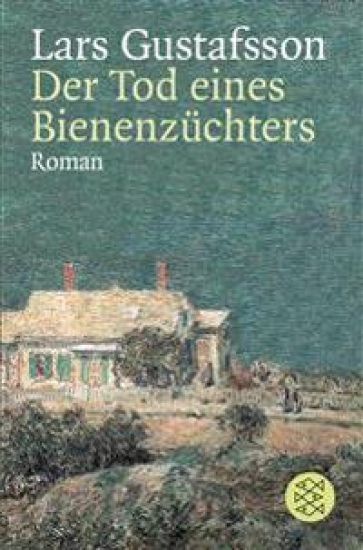
In einer kleinen Kate am Ufer des Sees im nördlichen Västmanland lebt ein freiwilliger, glücklicher Einzelgänger - der vorzeitig pensionierte Lehrer Lars Lennart Westin. Er hat einen kleinen Garten, einen Hund und eine Bienenzucht. Da erfährt er, daß er an einer unheilbaren Krankheit leidet. Angesichts der Todesgewißheit findet er zu seinem eigenen verdeckten Ich. Ein Buch, das in seinem Wechsel von Reflexion, Erinnerung und Sinnlichkeit den Leser hellhörig für sich selbst macht. ? Der Tod eines Bienenzüchters ist Lars Gustafssons wohl persönlichstes, intimstes Buch.? Frankfurter Rundschau
Lars Gustafsson is one of Sweden's leading and most prolific men of letters; a poet, philosopher, and fiction writer with dozens of books to his credit since his literary debut, at the age of twenty, in 1956. Although known in the English-speaking world primarily for his novels, Gustafsson is nevertheless one of the most frequently translated of contemporary Swedish poets. Elegies and Other Poems is a companion volume to The Stillness of the World before Bach (New Directions, 1988). As in that earlier volume, editor Christopher Middleton has made his selection from several of the poet's books and included his own translations as well as those of others, Yvonne Sandstroem, Bill Brookshire, and Philip Martin. Readers of Gustafsson's fiction will recognize in his verse the elegant mix of intellect and sheer play, the ruminations of a mind that apprehends humanity in the riddles of the universe.
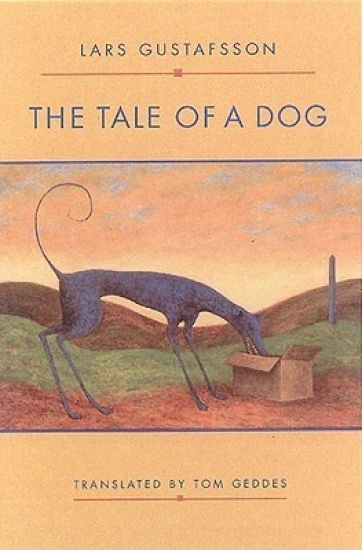
The Tale of a Dog: Novel
Tom Geddes; Lars Gustafsson
NEW DIRECTIONS PUBLISHING CORPORATION
1999
nidottu
The judge and protagonist of this roman noir is Erwin Caldwell. The year is 1992, and the rivers in and around rain-soaked Austin are flooding their banks. The life of the city is thrown into confusion, and Judge Caldwell, a comfortably married man for thirty years, has an affair with the owner of a small bookstore. His stepdaughter returns home after being denied tenure at Harvard, her little boy in tow, and Judge Caldwell learns of the death of drowning of the Dutch philosopher-semanticist Jan van de Rouwers, revered by a generation of Texas university students. Murder or suicide? Van de Rouwers has been discovered to have been not a World War II Resistance fighter as supposed, but a Nazi collaborator and anti-Semite apologist. Caldwell, who is Jewish, ponders the disconcerting turns of history and life in Texas. And what does this all have to do with a dog? Thereby hangs the tale...
In his newest novel, A Tiler's Afternoon, Lars Gustafsson invites us to share a day's work with Torsten Bergman, an aging, semi-retired tile-layer. On this particular day, Torsten arrives at an empty suburban villa, partially renovated and left unfinished. A master craftsman, he knows what to do and goes about his business, all the while reminiscing over his past, considering what may be left of his future, daydreaming about the mysterious Sophie K., the absent occupant of the villa's upstairs flat. No one checks on the work. With the close of the day comes Torsten's growing unease over hours spent on perhaps futile labor. "But at that moment there was a loud knocking at the door - no, more of a pounding than a knocking. It sounded as if by some strange coincidence the whole world had come to life again and was trying to get in." Like Samuel Beckett, Lars Gustafsson turns the plainest of circumstances into poignant universals. There are yet roads to travel after we say we cannot go on.
Traces three alternate lives for Bernard Foy, as a rabbi, a poet, and a juvenile delinquent
The Stillness of the World Before Bach: Poetry
Lars Gustafsson
New Directions Publishing Corporation
1988
nidottu
Lars Gustafsson, one of Sweden’s leading men of letters, is known in the English-speaking world primarily for his novels and short stories, but he is also a distinguished poet with ten discrete volumes published to date in addition to the collective edition of his work for the years 1950-1980. In The Stillness of the World Before Bach: New Selected Poems, readers will recognize in Gustafsson’s verse the playful erudition and imaginative philosophizing that give his fiction its unique appeal. Gustafsson, writes editor Christopher Middleton, “has remained distinctively a poet, insofar as his novels and essays usually combine exploratory and fabulous features with keen observation, a fascination with character in conflict as the subjective (or existential) axis of history, and a delight in story for its own complex or simple sake.” The selections for The Stillness of the World Before Bach were made by Christopher Middleton of the University of Texas at Austin in close association with the author, with whom he also collaborated for his own versions of many of the poems. Other translations were contributed by Robin Fulton, Philip Martin Yvonne L. Sandstroem, and Harriett Watts.
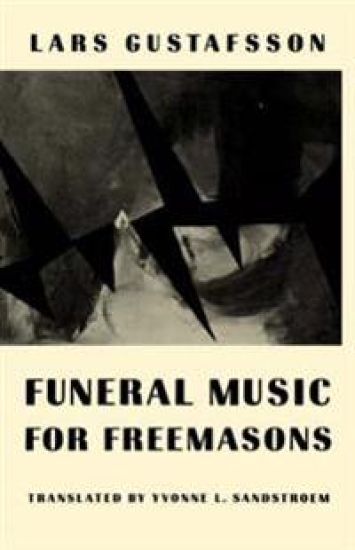
Funeral Music for Freemasons: Novel
Lars Gustafsson
New Directions Publishing Corporation
1987
nidottu
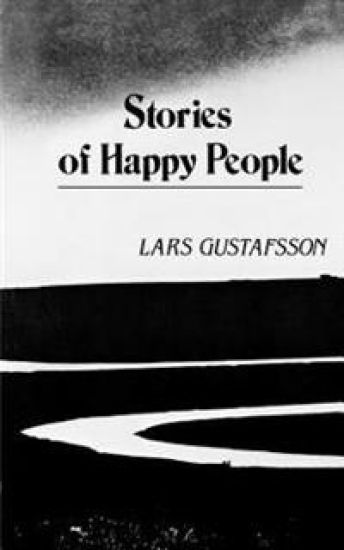
What is happiness in an age of packaged needs and liberated desires? Lars Gustafsson's Stories of Happy People is a collection of ten short fictions that maps the range of contentment, from inner joy to the edges of despair. "Uncle Sven and the Cultural Revolution" finds a politically indifferent Swedish research engineer, in Mao's China as an industrial consultant, surprised by his own imagination. "The Four Railroads of Iserlohn" lead to poignant, illusionary journeyings. The half-felt yearnings of displaced intellectuals, trying to break out of the stasis of their existence, are explored in "The Art of Surviving November," "What Does Not Kill Us, Tends to Make Us Stronger," and "The Fugitives Discover That They Knew Nothing." "A Water Story" is a sketch of the elusive staying power of love. The protected, private universes of the mentally retarded, the insane, and the senile are opened to view in "Greatness Strikes Where It Pleases," "The Bird in the Breast," and "Out of the Pain." In all of these stories, Gustafsson, one of Sweden's leading men of letters and philosophical writer par excellence, places lives of seeming smallness within the wider context of the culture and history of our hapless era.
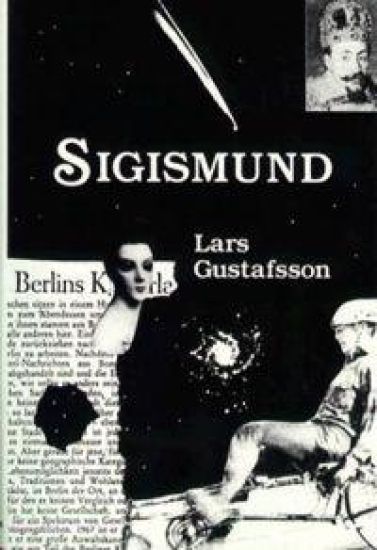
To readers familiar with Lars Gustafsson's work, the playful philosophizing of Sigsmund will come as no surprise, as he leisurely pulls together seeming fragments into a narrative of 1970s Berlin that at once looks back to Homer, Dante, and the Faust legend and ahead to space warfare and intergalactic travel, childhood memories of Sweden, Marxist-Leninism, sports competition, art, epistemology, daydreams--nothing is excluded from the purview of Gustafsson's lighthearted humanism. And behind it all broods the restless spirit of the author's alter ego, the warring king, Sigismund III of Poland (d. 1632).
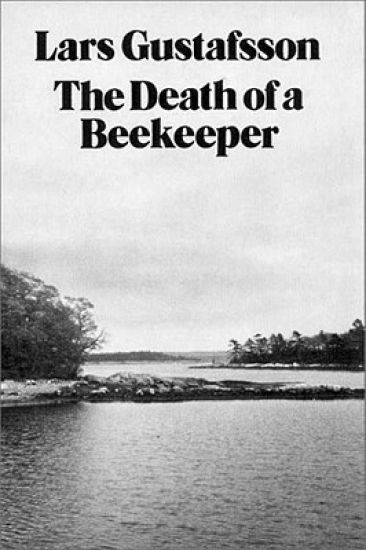
A retired schoolteacher, dying of cancer, refuses to go to a hospital and remains at his home in the Swedish countryside, where he records his daily thoughts as the disease progresses
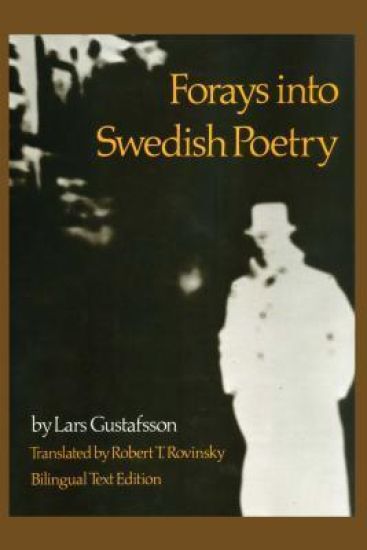
When poet/critic Lars Gustafsson was the editor of Bonniers Litterära Magasin, he was bombarded with the question, “What makes a good poem?” Forays into Swedish Poetry is his answer. The fifteen poems in this volume range across the history of Swedish poetry from the 1640s, at the beginning of the Period of Great Power, to the late twentieth century. Poets as diverse as Skogekär Bergbo, Erik Johan Stagnelius, August Strindberg, and Vilhelm Ekelund are discussed from historical, psychological, and sociopolitical viewpoints. However, Gustafsson includes only those poems he considers excellent. Each essay begins with a presentation of the poem both in Swedish and in English translation. Gustafsson’s analyses are built upon his subjective experiences with poems and poets and upon a more objective structural approach that investigates the actual machinery of the poems. Thus, Gustafsson enlightens us with his always imaginative, sometimes daring analyses, and we learn a great deal about the critic himself in the process. One of his main concerns is what he calls, in his discussion of Edith Södergran, the very mysteriousness of human existence. Time and again, Gustafsson emphasizes the enigmatic, arcane aspects of life in his analyses. In contrast, his vocabulary and approach also bespeak a constant interest in science and technology. In his introduction, Robert T. Rovinsky, the volume’s translator, presents examples of Gustafsson’s various thematic interests as voiced in his poems, several of which are translated here for the first time. While “The Machines” explores his theory of people as automatons and “Conversation between Philosophers” his linguistic pessimism, Gustafsson’s work as a whole shows his enchantment with its major theme: the intrinsic mystery of life.