Kirjojen hintavertailu – 12 903 725 kirjaa ja 27 kauppaa

Kirjailija

Lary M. Dilsaver

Kirjat ja teokset yhdessä paikassa: 7 kirjaa, julkaisuja vuosilta 2004–2023, suosituimpiin kuuluu Challenge of the Big Trees. Vertaile teosten hintoja ja tarkista saatavuus suomalaisista kirjakaupoista.

7 kirjaa

Kirjojen julkaisuvuodet: 2004–2023.

Restoring Nature

Restoring Nature

Lary M. Dilsaver; Timothy J. Babalis

University of Nebraska Press
2023
pokkari
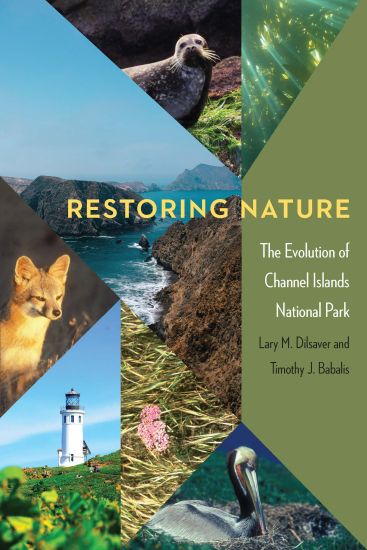
Off the coast of California, running from Santa Barbara to La Jolla, lies an archipelago of eight islands known as the California Channel Islands. The northern five were designated as Channel Islands National Park in 1980 to protect and restore the rich habitat of the islands and surrounding waters. In the years since, that mission intensified as scientists discovered the extent of damage to the delicate habitats of these small fragments of land and to the surprisingly threatened sea around them. In Restoring Nature Lary M. Dilsaver and Timothy J. Babalis examine how the National Park Service has attempted to reestablish native wildlife and vegetation to the five islands through restorative ecology and public land management. The Channel Islands staff were innovators of the inventory and monitoring program whereby the resource problems were exposed. This program became a blueprint for management throughout the U. S. park system. Dilsaver and Babalis present an innovative regional and environmental history of a little-known corner of the Pacific West, as well as a larger national narrative about how the Park Service developed its approach to restoration ecology, which became a template for broader Park Service policies that shaped the next generation of environmental conservation.
Restoring Nature

Restoring Nature

Lary M. Dilsaver; Timothy J. Babalis

University of Nebraska Press
2023
sidottu
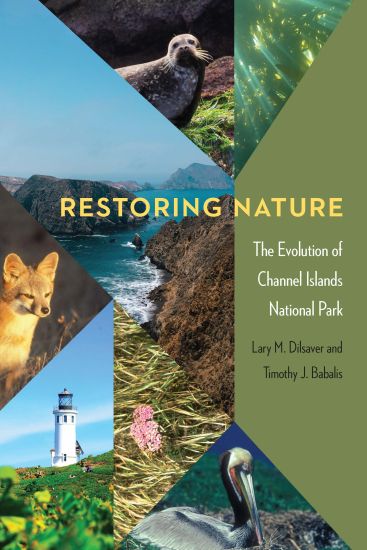
Off the coast of California, running from Santa Barbara to La Jolla, lies an archipelago of eight islands known as the California Channel Islands. The northern five were designated as Channel Islands National Park in 1980 to protect and restore the rich habitat of the islands and surrounding waters. In the years since, that mission intensified as scientists discovered the extent of damage to the delicate habitats of these small fragments of land and to the surprisingly threatened sea around them. In Restoring Nature Lary M. Dilsaver and Timothy J. Babalis examine how the National Park Service has attempted to reestablish native wildlife and vegetation to the five islands through restorative ecology and public land management. The Channel Islands staff were innovators of the inventory and monitoring program whereby the resource problems were exposed. This program became a blueprint for management throughout the U. S. park system. Dilsaver and Babalis present an innovative regional and environmental history of a little-known corner of the Pacific West, as well as a larger national narrative about how the Park Service developed its approach to restoration ecology, which became a template for broader Park Service policies that shaped the next generation of environmental conservation.
Challenge of the Big Trees

Challenge of the Big Trees

William C. Tweed; Lary M. Dilsaver

George F. Thompson
2017
nidottu
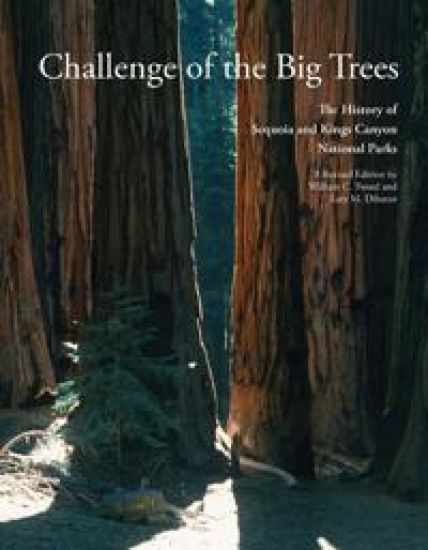
First published in 1990, this updated and enlarged edition of Challenge of the Big Trees stands as the new definitive history of Sequoia and Kings Canyon National Parks. Located in the southern Sierra Nevada of California, these twin parks, preserve an astounding sweep of natural and cultural resources, including not only the world's largest trees but also some of the most spectacular mountain terrain to be found anywhere in the nation. With its origins in the nineteenth century, the story of the two parks conveys the larger narrative of nature preservation in the United States. Generously illustrated with historic photographs and thirty-five custom maps, this new edition brings the story of Sequoia and the Kings Canyon into the twenty-first century, documenting the major changes made in the parks since 1990 and addressing the myriad challenges the parks still face, including climate change and evolving attitudes toward nature.
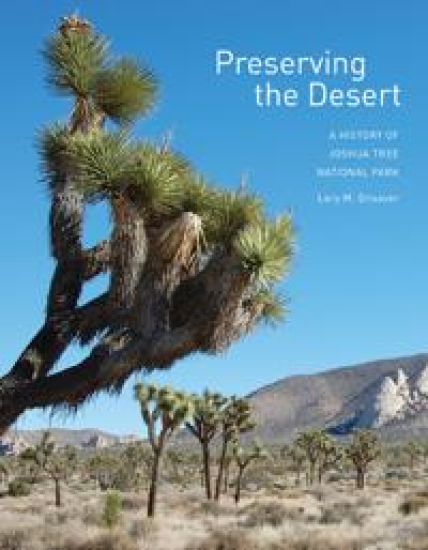
Preserving the Desert

Preserving the Desert

Lary M. Dilsaver

George F. Thompson
2017
nidottu
Beginning in 1872 with the establishment of Yellowstone, national parks were set aside to preserve for future generations the most spectacular and inspirational features of the country. The best representative examples were sought out of major ecosystems, such as Yosemite, geologic forms, such as the Grand Canyon, archaeological sites, such as Mesa Verde, and scenes of human events, such as Gettysburg. But one type of habitat—the desert—was overlooked until travel writers and the Automobile Age began to change Americans’ perceptions about desert landscapes. As the National Park Service began to explore the better-known Mojave and Colorado Deserts of southern California during the 1920s for a possible desert park, many agency leaders still held the same negative image of arid lands shared by many Americans—that they are hostile environments and largely useless. But one wealthy woman—Minerva Hamilton Hoyt, from Pasadena—came forward, believing in the value of the desert, and convinced President Franklin D. Roosevelt to establish a national monument that would protect the unique and iconic Joshua trees and other desert flora and fauna. Thus was Joshua Tree National Monument officially established in 1936, and when the area later was expanded in 1994, it became Joshua Tree National Park. Since 1936 the National Park Service and a growing cadre of environmentalists and recreationalists have fought to block ongoing proposals from miners, ranchers, private landowners, and real estate developers who historically have refused to accept the idea that desert might be suitable for anything other than their consumptive activities. Joshua Tree National Park, even with its often-conflicting land uses, is more popular today than ever, serving more than one million visitors per year who find the desert to be a place worthy of respect and preservation.
America's National Park System

America's National Park System

Lary M. Dilsaver; Jonathan B. Jarvis

Rowman Littlefield
2016
sidottu
Now in a fully updated edition, this invaluable reference work is a fundamental resource for scholars, students, conservationists, and citizens interested in America's national park system. The extensive collection of documents illustrates the system's creation, development, and management. The documents include laws that established and shaped the system; policy statements on park management; Park Service self-evaluations; and outside studies by a range of scientists, conservation organizations, private groups, and businesses. A new appendix includes summaries of pivotal court cases that have further interpreted the Park Service mission.
America's National Park System

America's National Park System

Lary M. Dilsaver; Jonathan B. Jarvis

Rowman Littlefield
2016
nidottu
Now in a fully updated edition, this invaluable reference work is a fundamental resource for scholars, students, conservationists, and citizens interested in America's national park system. The extensive collection of documents illustrates the system's creation, development, and management. The documents include laws that established and shaped the system; policy statements on park management; Park Service self-evaluations; and outside studies by a range of scientists, conservation organizations, private groups, and businesses. A new appendix includes summaries of pivotal court cases that have further interpreted the Park Service mission.
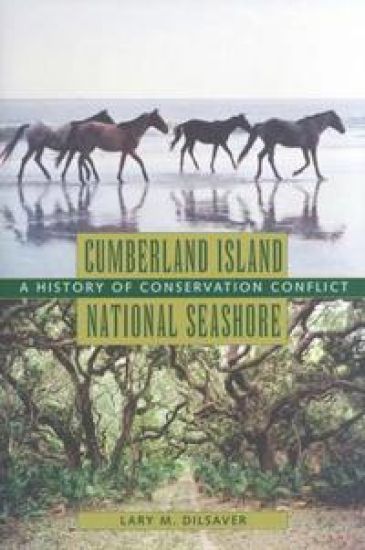
Cumberland Island National Seashore

Cumberland Island National Seashore

Lary M. Dilsaver

University of Virginia Press
2004
sidottu
Located off the coast of Georgia, Cumberland Island was once the retreat of some of America's wealthiest families, most notably the family of Thomas Carnegle, brother of steel magnate Andrew Carnegle, and his wife Lucy. The death in 1962 of their last child, Florence Carnegle Perkins, ended the restrictions of a complex family trust arrangement, and led to the division of their land among Carnegle descendants. These parties and the other landowners, both old and new, clashed over their conflicting interests in retaining land for personal use, selling to developers, or entrusting parcels to the National Park Service for public use. Today, more than three decades after its legal designation as the Cumberland Island National Seashore, the island is home to a magnificent array of natural resources including a seventeen-mile beach and the largest surviving stand of maritime oak forest in the United States; more than half is currently designated a wilderness area and is a serene and beautiful public space. The story of how the park arrived at its current status, however, is as rugged and wild as the land itself. In Cumberland Island National Seashore: A History of Conservation Conflict,