Kirjojen hintavertailu – 12 859 828 kirjaa ja 27 kauppaa

Kirjailija

Laura Peers

Kirjat ja teokset yhdessä paikassa: 6 kirjaa, julkaisuja vuosilta 1994–2016, suosituimpiin kuuluu Visiting with the Ancestors. Vertaile teosten hintoja ja tarkista saatavuus suomalaisista kirjakaupoista.

6 kirjaa

Kirjojen julkaisuvuodet: 1994–2016.

Visiting with the Ancestors

Visiting with the Ancestors

Laura Peers; Alison K. Brown

AU Press
2016
pokkari
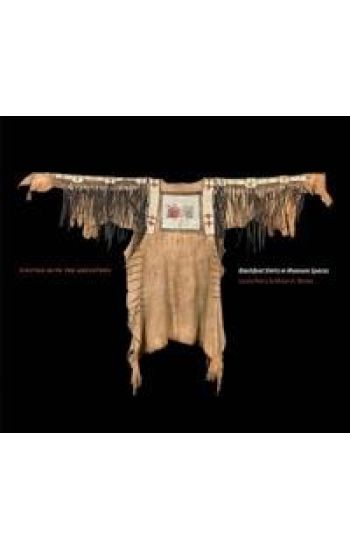
In the pages of this beautifully illustrated volume is the story of aneffort to build a bridge between museums and source communities inhopes of establishing stronger, more sustaining relationships betweenthe two and spurring change in prevailing museum policies. Theexperience of negotiating the tension between a museum'sinstitutional protocol described by both the authors and by Blackfootcontributors to the volume was transformative. Museums seek to preserveobjects for posterity. However, the emotional and spiritual power ofobjects does not vanish with the death of those who created them. ForBlackfoot people today, these shirts are a living presence, one thatevokes a sense of continuity and inspires pride in Blackfoot culturalheritage.
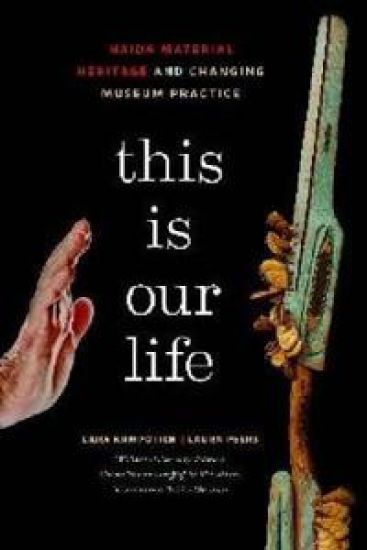
This Is Our Life

This Is Our Life

Cara Krmpotich; Laura Peers

University of British Columbia Press
2014
pokkari
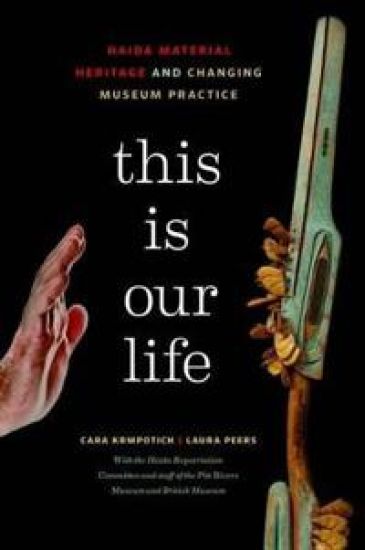
In September 2009, twenty-one members of the Haida Nation went to Oxford and London to work with several hundred heritage treasures at the Pitt Rivers Museum and the British Museum. The encounter set a new course for the relationships between the custodians of these cultural artifacts and the Indigenous people for whom the objects are a direct link to their past. Emotional and illuminating, tense and challenging, it was a transformative visit that none would soon forget. Featuring contributions from Haida and museum participants and a rich selection of illustrations, This Is Our Life details the remarkable story of the Haida Project. A fascinating look at the meaning behind objects, the value of repatriation, and the impact of historical trajectories like colonialism, this is also a tender story of the understanding that grew between the Haida visitors and museum staff. Beautifully written and illustrated, This Is Our Life offers a compelling view of the transformative potential of a conversation hundreds of years in the making.
This Is Our Life

This Is Our Life

Cara Krmpotich; Laura Peers

University of British Columbia Press
2013
sidottu
In September 2009, twenty-one members of the Haida Nation went to Oxford and London to work with several hundred heritage treasures at the Pitt Rivers Museum and the British Museum. The encounter set a new course for the relationships between the custodians of these cultural artifacts and the Indigenous people for whom the objects are a direct link to their past. Emotional and illuminating, tense and challenging, it was a transformative visit that none would soon forget. Featuring contributions from Haida and museum participants and a rich selection of illustrations, This Is Our Life details the remarkable story of the Haida Project. A fascinating look at the meaning behind objects, the value of repatriation, and the impact of historical trajectories like colonialism, this is also a tender story of the understanding that grew between the Haida visitors and museum staff. Beautifully written and illustrated, This Is Our Life offers a compelling view of the transformative potential of a conversation hundreds of years in the making.
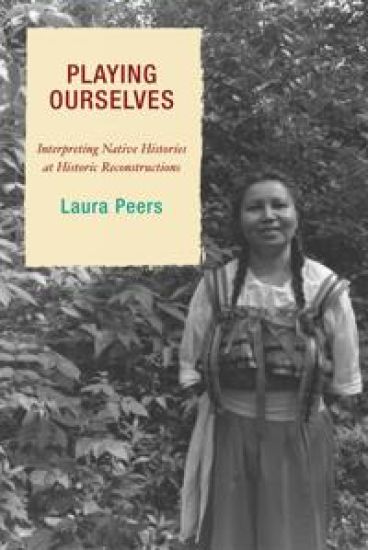
Playing Ourselves

Playing Ourselves

Laura Peers

Rowman Littlefield Publishers
2007
nidottu
Across North America, hundreds of reconstructed Oliving historyO sites, which traditionally presented history from a primarily European perspective, have hired Native staff in an attempt to communicate a broader view of the past. Playing Ourselves explores this major shift in representation, using detailed observations of five historic sites in the U. S. and Canada to both discuss the theoretical aspects of Native cultural performance and advise interpreters and their managers on how to more effectively present an inclusive history. Drawing on anthropology, history, cultural performance, cross-cultural encounters, material culture theory, and public history, author Laura Peers examines Oliving historyO sites as locations of cultural performance where core beliefs about society, cross-cultural relationships, and history are performed. In the process, she emphasizes how choices made in the communication of history can both challenge these core beliefs about the past and improve cross-cultural relations in the present.
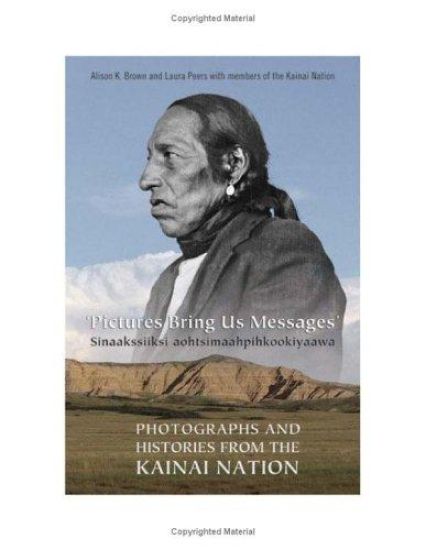
Pictures Bring Us Messages / Sinaakssiiksi Aohtsimaahpihkookiyaawa

Pictures Bring Us Messages / Sinaakssiiksi Aohtsimaahpihkookiyaawa

Alison Brown; Laura Peers

University of Toronto Press
2006
pokkari
In 1925, Beatrice Blackwood of the University of Oxford's Pitt Rivers Museum took thirty-three photographs of Kainai people on the Blood Indian Reserve in Alberta as part of an anthropological project. In 2001, staff from the museum took copies of these photographs back to the Kainai and worked with community members to try to gain a better understanding of Kainai perspectives on the images. 'Pictures Bring Us Messages' is about that process, about why museum professionals and archivists must work with such communities, and about some of the considerations that need to be addressed when doing so. Exploring the meanings that historic photographs have for source communities, Alison K. Brown, Laura Peers, and members of the Kainai Nation develop and demonstrate culturally appropriate ways of researching, curating, archiving, accessing, and otherwise using museum and archival collections. They describe the process of relationship building that has been crucial to the research and the current and future benefits of this new relationship. While based in Canada, the dynamics of the 'Pictures Bring Us Messages' project is relevant to indigenous peoples and heritage institutions around the world.
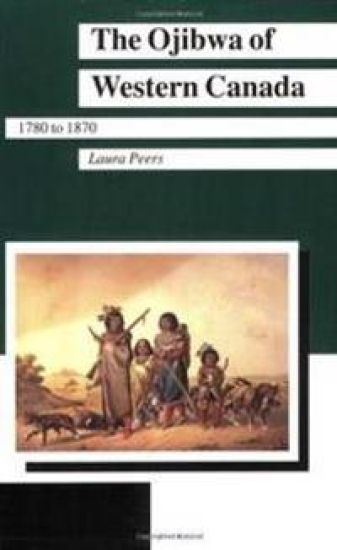
The Ojibwa of Western Canada, 1780-1870

The Ojibwa of Western Canada, 1780-1870

Laura Peers

Minnesota Historical Society Press,U.S.
1994
nidottu
Peers examines the emergence of the western Ojibwa in the context of the historical forces that acted upon Native people and the spirit, determination, and strategies used to cope with those forces. She bases the work on fur-trade-company and government documents, traders' and missionaries' journals and diaries, letters, reminiscences, as well as ethnographic and archaeological data, material culture, and photographic and art images - many sources not accessible to pioneering scholars.