Kirjojen hintavertailu – 12 859 828 kirjaa ja 27 kauppaa

Kirjailija

Laura Perdew

Kirjat ja teokset yhdessä paikassa: 81 kirjaa, julkaisuja vuosilta 2015–2026, suosituimpiin kuuluu Asking Questions about Food Advertising. Vertaile teosten hintoja ja tarkista saatavuus suomalaisista kirjakaupoista.

81 kirjaa

Kirjojen julkaisuvuodet: 2015–2026.

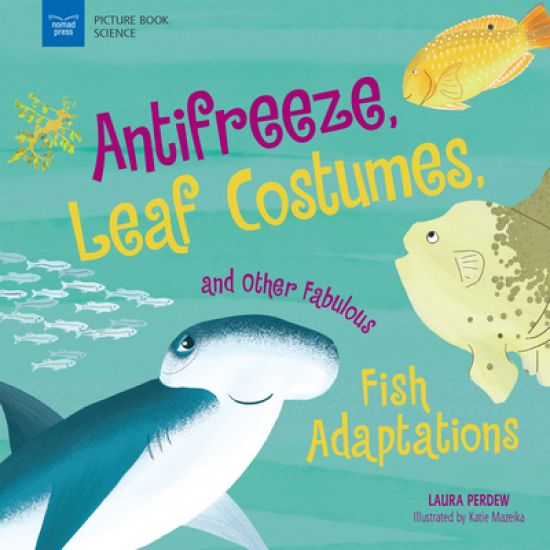
Anti-Freeze, Leaf Costumes, and Other Fabulous Fish Adaptations
A fascinating nonfiction picture book about how fish adapt to their various underwater environments When might a fancy leaf costume be useful for a fish? And how do fish in Antarctica keep from freezing? In Antifreeze, Leaf Costumes, and Other Fabulous Fish Adaptations, children ages 5 to 8 discover some of the amazing adaptations in the world of fish Explore underwater habitats and discover the ways fish have evolved to avoid the danger that lurks around every waving piece of seaweed. Detailed illustrations, layered text, a hands-on activity, and plentiful back matter spur kids to dive further into the remarkable adaptations of fish. A free verse poem at the beginning of the book offers a language-based entry into science details. Perfect as a read aloud or early reader for kids who are curious about science Antifreeze, Leaf Costumes, and Other Fabulous Fish Adaptations is part of a set of five books in the Picture Book Science series that explore strange-but-true tales of adaptation. Other titles in this series include Stink Fights, Earwax, and Other Marvelous Mammal Adaptations; Spit Nests, Puke Power, and Other Brilliant Bird Adaptations; Water-Walking, Sidewinding, and Other Remarkable Reptile Adaptations; and Sunscreen, Frogsicles, and Other Amazing Amphibian Adaptations. Provides layered text and back matter that encourages more in-depth discovery Promotes a sense of awe and wonder about the natural world Uses humor to engage children's attention Promotes cross-curriculum learning through poetry Includes a hands-on, science-minded project to help support and reinforce deeper learning Meets Next Generation Science Standards in ecosystems, biological evolution, and heredity for grades K through 2. About the Picture Book Science series and Nomad Press Nomad Press books in the Picture Book Science series present real-world examples of science topics kids find fascinating These nonfiction picture books consist of engaging narratives paired with detailed, accurate illustrations and layered text that offers ample opportunity for discussion and reflection. Elementary-aged children are equipped to recognize basic science concepts and identify the different ways they are demonstrated in real life, while being impressed with the idea that science is a constant part of our lives and not limited to classrooms and laboratories. All books are leveled for Guided Reading level and Lexile and align with Common Core State Standards and Next Generation Science Standards. All titles are available in paperback, hardcover, and ebook formats.
The Fort

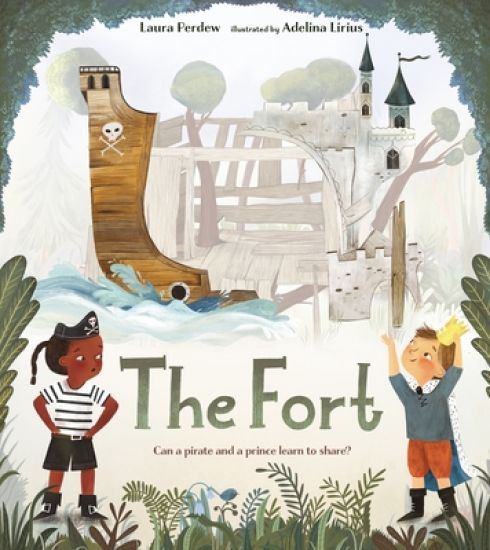
The Fort

Laura Perdew

Page Street Kids
2020
sidottu
Can a pirate and a prince learn to share? In the fort in the woods, a prince is preparing his castle for a lively feast for the royal kingdom. Unbeknownst to him, a pirate uses the same fort as her ship, planning to venture out to the open seas in search of treasure. But when a treasure map appears on the prince's party invitations, and the pirate finds that her sword has turned into a scepter, they realize there is an intruder in the castle--no, ship Soon, a battle over the fort between the adversaries ensues, leading to a humorous showdown. When they make amends, their amazing imaginations come up with a new adventure...together. Kids will revel in the spirited and imaginative battle and be thrilled by the turn of events. Dynamic and charismatic illustrations bring this witty tale and its celebration of sharing and teamwork to life.
Animal Conservationists

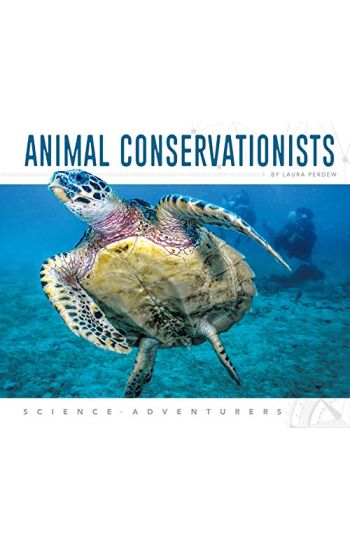
Animal Conservationists

Laura Perdew

Essential Library
2019
sidottu
Animal Conservationists takes a look at the ways in which scientists are working to save animals from disease, human encroachment, and invasive species across the world. Features include vivid photos, in-depth examinations of scientific concepts, a glossary, additional resources, source notes, and an index. Aligned to Common Core Standards and correlated to state standards. Essential Library is an imprint of Abdo Publishing, a division of ABDO.
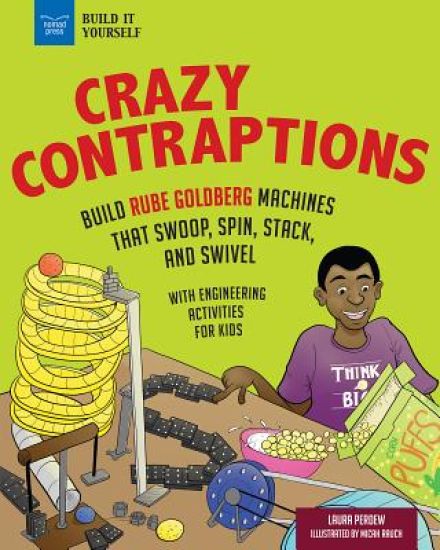
Crazy Contraptions: Build Rube Goldberg Machines That Swoop, Spin, Stack, and Swivel: With Hands-On Engineering Activities
An exciting book about the chain reaction world of Rube Goldberg for middle schoolers, including 25 engineering design projects that get middle schoolers applying the laws of physics to their own inventions as they learn the scientific principles behind the actions and reactions they create. Why use a simple hand motion to wipe your mouth when you can build a machine to do it for you? Toppling dominoes, rolling marbles, racing balloon cars, springing catapults, and whizzing zip-lines are all elements used to build Rube Goldberg machines in Crazy Contraptions: Build Rube Goldberg Machines that Swoop, Spin, Stack, and Swivel with Hands-On Engineering Activities. The book introduces kids ages 9-12 (and beyond ) to the wacky machines designed by Goldberg, which were based on complicated chain reactions used to accomplish very simple, sometimes ridiculous, tasks. - Through contraptions, the book discusses the basics of physics, including force, motion, and work. Each chapter introduces one of the six simple machines and how they can be used in Rube Goldberg contraptions--inclined planes, levers, wheels and axles, wedges, screws, and pulleys. - Kids are challenged to design, build, and evaluate dozens of increasingly complex contraptions that do things like unscrew a lid, turn the page of a book, and pop a balloon. - Projects use materials already in most homes--reimagining and repurposing everyday items, as well as mining the recycling - Contraption hints, essential questions, short sidebars, and links to online primary resources help readers learn the basics of force, work, motion, and simple machines, while exploring their creativity as they design and build their own crazy contraptions. About the Build It Engineering set and Nomad Press Crazy Contraptions is part of a set of two Build It Engineering books that explore the engineering technology behind our daily lives. The other titles in this series is Bots Robotic Engineering with Hands-On Makerspace Activities. Nomad Press books in the Build It series integrate content with participation. Combining content with inquiry-based projects stimulates learning and makes it active and alive. Nomad's unique approach simultaneously grounds kids in factual knowledge while allowing them the space to be curious, creative, and critical thinkers. All books are leveled for Guided Reading level and Lexile and align with Common Core State Standards and Next Generation Science Standards. All titles are available in paperback, hardcover, and ebook formats.

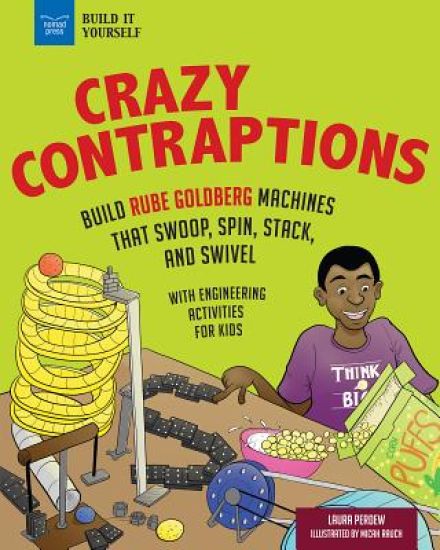
Crazy Contraptions: Build Rube Goldberg Machines That Swoop, Spin, Stack, and Swivel: With Hands-On Engineering Activities
An exciting book about the chain reaction world of Rube Goldberg for middle schoolers, including 25 engineering design projects that get middle schoolers applying the laws of physics to their own inventions as they learn the scientific principles behind the actions and reactions they create. Why use a simple hand motion to wipe your mouth when you can build a machine to do it for you? Toppling dominoes, rolling marbles, racing balloon cars, springing catapults, and whizzing zip-lines are all elements used to build Rube Goldberg machines in Crazy Contraptions: Build Machines that Swoop, Spin, Stack, and Swivel with Hands-On Engineering Activities. The book introduces kids ages 9-12 (and beyond ) to the wacky machines designed by Goldberg, which were based on complicated chain reactions used to accomplish very simple, sometimes ridiculous, tasks. - Through contraptions, the book discusses the basics of physics, including force, motion, and work. Each chapter introduces one of the six simple machines and how they can be used in Rube Goldberg contraptions--inclined planes, levers, wheels and axles, wedges, screws, and pulleys. - Kids are challenged to design, build, and evaluate dozens of increasingly complex contraptions that do things like unscrew a lid, turn the page of a book, and pop a balloon. - Projects use materials already in most homes--reimagining and repurposing everyday items, as well as mining the recycling - Contraption hints, essential questions, short sidebars, and links to online primary resources help readers learn the basics of force, work, motion, and simple machines, while exploring their creativity as they design and build their own crazy contraptions. About the Build It Engineering set and Nomad Press Crazy Contraptions is part of a set of two Build It Engineering books that explore the engineering technology behind our daily lives. The other titles in this series is Bots Robotic Engineering with Hands-On Makerspace Activities. Nomad Press books in the Build It series integrate content with participation. Combining content with inquiry-based projects stimulates learning and makes it active and alive. Nomad's unique approach simultaneously grounds kids in factual knowledge while allowing them the space to be curious, creative, and critical thinkers. All books are leveled for Guided Reading level and Lexile and align with Common Core State Standards and Next Generation Science Standards. All titles are available in paperback, hardcover, and ebook formats.
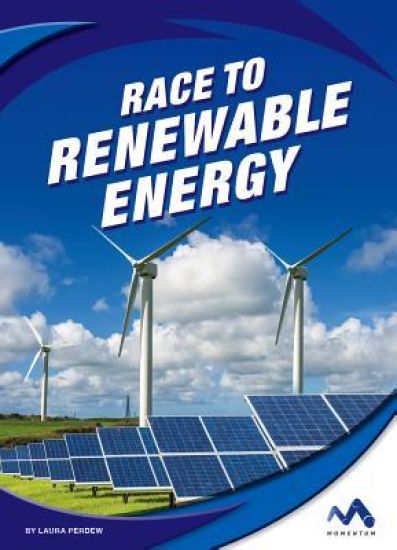
Race to Renewable Energy

Race to Renewable Energy

Laura Perdew

Child's World Momentum
2019
sidottu
Offers readers a captivating look into the race to develop and use renewable energy sources. Learn about how the United States is using energy from the sun, wind, and other sources to fight climate change. Additional features include a Fast Facts spread, critical-thinking questions, primary source quotes and accompanying source notes, a phonetic glossary, resources for further study, and an index.
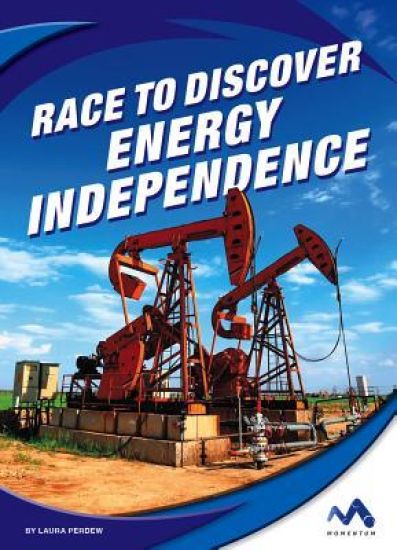
Race to Discover Energy Independence

Race to Discover Energy Independence

Laura Perdew

Child's World Momentum
2019
sidottu
Offers readers a captivating look into the race for the United States to become energy independent. Learn about the energy sources used throughout the United States and efforts to become less dependent on foreign countries for energy. Additional features include a Fast Facts spread, critical-thinking questions, primary source quotes and accompanying source notes, a phonetic glossary, resources for further study, and an index.
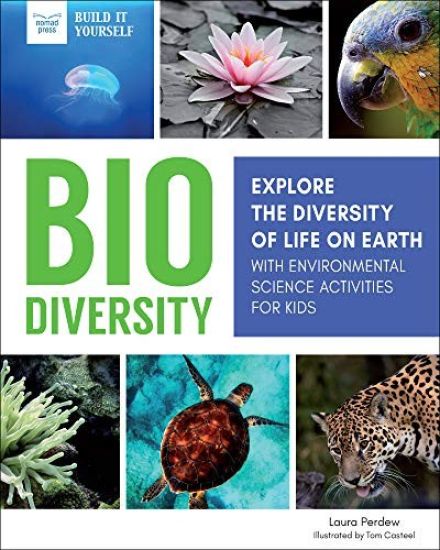
Biodiversity: Explore the Diversity of Life on Earth with Environmental Science Activities for Kids
Look around you--biodiversity is everywhere From the tallest tree to the smallest microbe, Earth is home to more than 1.5 million known species of plants, animals, fungi, bacteria, and microorganisms. And scientists estimate there could be millions, if not billions, more that have not yet been identified. Biodiversity: Explore the Diversity of Life on Earth with Science Activities for Kids introduces middle schoolers to the evolution of life on Earth, beginning with the first single-celled organisms that emerged 3.8 billion years ago to the complex, multi-celled organisms that exist today and make up the tree of life. Biodiversity is found everywhere on the planet--on land, in the water, and even in extreme environments such as ice and volcanoes. Biodiversity can also be discovered by looking through a microscope at tiny worlds of organisms that can't be seen with the human eye. There are whole microbiomes beneath our feet, in puddles, and even in our belly buttons All of this biodiversity on Earth helps keep the planet in balance. Biodiversity is also important to humans because it provides food, shelter, clothing, medicines, and more. However, the rates of biodiversity loss are increasing because of human activities. Climate change, pollution, habitat destruction, over-exploitation--these are all critical threats to biodiversity. There are, however, ways to slow or stop this loss through conservation and sustainable development. Biodiversity includes hands-on STEM activities and critical thinking exercises to encourage readers to consider the threat to biodiversity and figure out ways to be part of the solution. Fun facts, links to online primary sources and other supplemental material, and essential questions take readers on an exploration of the incredible biodiversity on Earth. Biodiversity is part of a set of four Build It Environmental Science books that explore the history and science of the planet and all that live on it through hands-on STEM activities and real-life environmental connections. Other titles in this series are Planet Earth, Garbage, and Biomes. Nomad Press books integrate content with participation. Common Core State Standards, the Next Generation Science Standards, and STEM Education all place project-based learning as key building blocks in education. Combining content with inquiry-based projects stimulates learning and makes it active and alive. Nomad's unique approach simultaneously grounds kids in factual knowledge while allowing them the space to be curious, creative, and critical thinkers.
Deserts

Deserts

Laura Perdew

North Star Editions
2018
Kangassidos
Explores the fascinating world of deserts. Readers will learn how deserts form and how they change over time, as well as the plants and animals that make deserts their home. Featuring vivid photographs, fun facts, focus questions, and resources for further research, this book is sure to support earth science education.
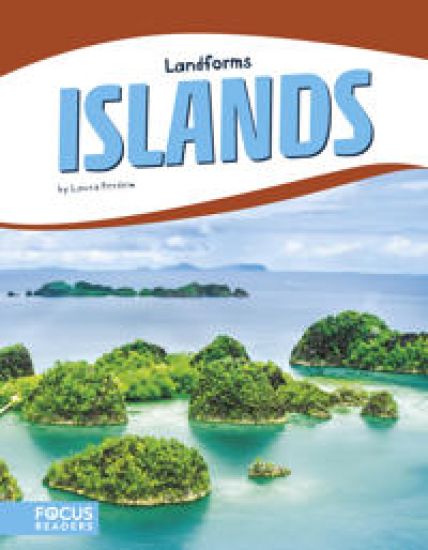
Islands

Islands

Laura Perdew

Focus Readers
2018
pokkari
Explores the fascinating world of islands. Readers will learn how islands form and how they change over time, as well as the plants and animals that make islands their home. Featuring vivid photographs, fun facts, focus questions, and resources for further research, this book is sure to support earth science education.
Deserts

Deserts

Laura Perdew

Focus Readers
2018
pokkari
Explores the fascinating world of deserts. Readers will learn how deserts form and how they change over time, as well as the plants and animals that make deserts their home. Featuring vivid photographs, fun facts, focus questions, and resources for further research, this book is sure to support earth science education.
Islands

Islands

Laura Perdew

Focus Readers
2018
sidottu
Explores the fascinating world of islands. Readers will learn how islands form and how they change over time, as well as the plants and animals that make islands their home. Featuring vivid photographs, fun facts, focus questions, and resources for further research, this book is sure to support earth science education.
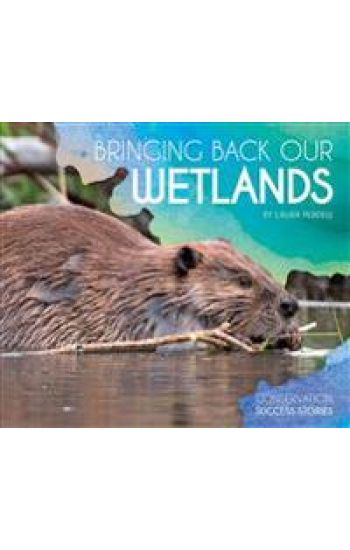
Bringing Back Our Wetlands

Bringing Back Our Wetlands

Laura Perdew

Essential Library
2017
sidottu
Bringing Back Our Wetlands explains why wetlands are at risk and how people are combating wetland destruction due to development and agriculture. This title also explores the science behind how wetlands are formed, store carbon, and clean wastewater. Features include a cause-and-effect flow chart, a glossary, references, websites, source notes, and an index. Aligned to Common Core Standards and correlated to state standards. Essential Library is an imprint of Abdo Publishing, a division of ABDO.
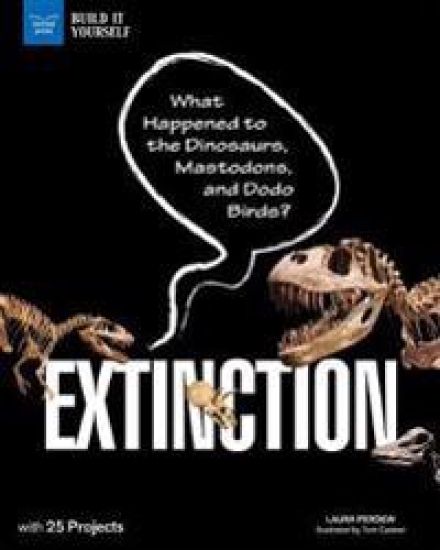
Extinction

Extinction

Laura Perdew

Nomad Press
2017
sidottu
Have you seen a dodo bird recently? Do you have mastodons playing in your back yard? Not likely-these species are both extinct, which means the entire population has died out. More than 99 percent of all species, or about 5 billion, have gone extinct since life first formed on Earth 4.5 billion years ago. Some of those species went extinct at the same time in an event know as a mass extinction. What type of event could cause such a massive die off? This is a question that scientists have asked for decades as they explore the causes of extinction. In Extinction: What Happened to the Dinosaurs, Mastodons, and Dodo Birds? readers ages 9 to 12 learn about the scientific investigative work necessary to answer these questions and find the culprit behind mass extinctions. Follow the scientists as they look at all potential reasons for extinction, including asteroid impacts, massive volcanic eruptions, excessive gases in the atmosphere, climate change, and more. Where do scientists find clues to help them answer their questions? In rocks-scientists travel the globe to excavate the evidence. They look for fossils that might tell them what lived before an extinction and what lived after. They also examine the chemical elements in rocks at the boundaries between geologic eras, as well as the structure of rocks. As they follow the evidence, the pieces of the puzzle come together to form a clearer picture of events that happened millions of years ago, whether it's an asteroid strike or a massive volcanic eruption. Extinction is not just a thing of the past. It is happening right now, at a higher rate than is typical. Because of this, there is debate about whether or not the presence of humans on Earth is having the same effect as an asteroid strike or a massive volcanic eruption. Are we currently experiencing the sixth mass extinction? And if so, what are the causes? Can we stop it? Extinction: What Happened to the Dinosaurs, Mastodons, and Dodo Birds? includes hands-on activities and critical thinking exercises to encourage readers to consider humans' role in the current extinction, what we can learn from past extinction events, and how they can be part of efforts to prevent extinction. Hands-on activities, a fun narrative style, interesting facts, species spotlights, and links to primary sources combine to bring the subject of extinction to life in a fun and engaging way.
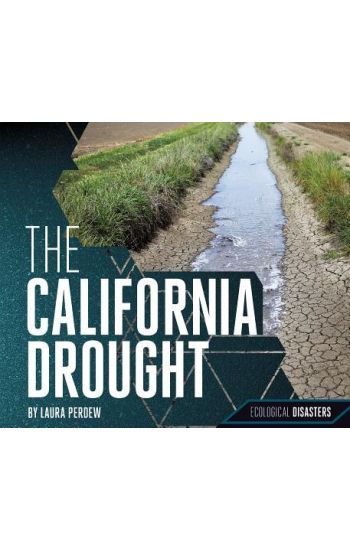
California Drought

California Drought

Laura Perdew

Essential Library
2017
sidottu
Humanity's impact on the natural world can have disastrous effects. The California Droughtshines a light on California's lengthy and devastating dry period. With abundant charts and diagrams and large-format photos, this title explores the science behind climate change, groundwater, and human water use patterns, and considers actions people and governments can take to try to improve the situation. Features include a flow chart showing the disaster's causes and effects, a glossary, references, websites, source notes, and an index. Aligned to Common Core Standards and correlated to state standards. Essential Library is an imprint of Abdo Publishing, a division of ABDO.
Information Literacy in the Digital Age

Information Literacy in the Digital Age

Laura Perdew

Essential Library
2016
sidottu
The flow of information through our modern digital world has led to many new issues and controversies. Information Literacy in the Digital Ageexamines the challenges involved in seeking and evaluating information from the vast array of sources available through digital technology. Compelling text, well-chosen photographs, and extensive back matter give readers a clear look at these complex issues. Features include essential facts, a glossary, additional resources, source notes, and an index. Aligned to Common Core Standards and correlated to state standards. Essential Library is an imprint of Abdo Publishing, a division of ABDO.
Online Identity

Online Identity

Laura Perdew

Essential Library
2016
sidottu
The flow of information through our modern digital world has led to many new issues and controversies. Online Identityexamines the benefits and consequences of storing massive amounts of personal data on the Internet. Compelling text, well-chosen photographs, and extensive back matter give readers a clear look at these complex issues. Features include essential facts, a glossary, additional resources, source notes, and an index. Aligned to Common Core Standards and correlated to state standards. Essential Library is an imprint of Abdo Publishing, a division of ABDO.
Eating Local

Eating Local

Laura Perdew

Lerner Publications (Tm)
2016
sidottu
Have you ever shopped for fruits, vegetables, or meat at a local farmers' market? Or maybe your family picks up a weekly box of fresh fruits and vegetables grown by local farmers in a community supported agriculture (CSA) program. So what does it mean to eat local, why is it a good idea, and how can you participate in your own community?