Kirjojen hintavertailu – 12 903 731 kirjaa ja 27 kauppaa

Kirjailija

Laurajane Smith

Kirjat ja teokset yhdessä paikassa: 9 kirjaa, julkaisuja vuosilta 2004–2025, suosituimpiin kuuluu Concise Introduction to Heritage Studies. Vertaile teosten hintoja ja tarkista saatavuus suomalaisista kirjakaupoista.

9 kirjaa

Kirjojen julkaisuvuodet: 2004–2025.

Concise Introduction to Heritage Studies

Concise Introduction to Heritage Studies

Laurajane Smith

EDWARD ELGAR PUBLISHING LTD
2025
nidottu
Our Elgar Concise Introductions are inspiring and considered. They explain the key principles in business and are expertly written by some of the world’s leading scholars. The aims of the series are two-fold: to pinpoint essential concepts and to offer insights that stimulate critical thinking. This incisive book elucidates the field of Anglophone heritage studies, outlining its historical development alongside core theoretical debates and research trends. Drawing on her own experiences working as an academic and practitioner in the subject, Laurajane Smith examines how diverse definitions of heritage have influenced international scholarship and preservation practices. Key Features:Documents the emergence of critical heritage studies as a distinct field of inquiry and the implications of this for heritage research and policymakingExplores the social, political and environmental consequences of heritage-making, as well as its applications at different scales and in varied contextsHighlights the multidisciplinary nature of heritage and its importance for understanding topics including identity, memory, authenticity, affect, place and genderThe Concise Introduction to Heritage Studies is an invaluable resource for students and scholars across a wide range of disciplines, including human geography, tourism, sociology, archeology and anthropology. Its insights into how the past affects the present will also benefit practitioners and policymakers in these fields.
Concise Introduction to Heritage Studies

Concise Introduction to Heritage Studies

Laurajane Smith

EDWARD ELGAR PUBLISHING LTD
2025
sidottu
Our Elgar Concise Introductions are inspiring and considered. They explain the key principles in business and are expertly written by some of the world’s leading scholars. The aims of the series are two-fold: to pinpoint essential concepts and to offer insights that stimulate critical thinking. This incisive book elucidates the field of Anglophone heritage studies, outlining its historical development alongside core theoretical debates and research trends. Drawing on her own experiences working as an academic and practitioner in the subject, Laurajane Smith examines how diverse definitions of heritage have influenced international scholarship and preservation practices. Key Features:Documents the emergence of critical heritage studies as a distinct field of inquiry and the implications of this for heritage research and policymakingExplores the social, political and environmental consequences of heritage-making, as well as its applications at different scales and in varied contextsHighlights the multidisciplinary nature of heritage and its importance for understanding topics including identity, memory, authenticity, affect, place and genderThe Concise Introduction to Heritage Studies is an invaluable resource for students and scholars across a wide range of disciplines, including human geography, tourism, sociology, archeology and anthropology. Its insights into how the past affects the present will also benefit practitioners and policymakers in these fields.
Emotional Heritage

Emotional Heritage

Laurajane Smith

Routledge
2020
sidottu
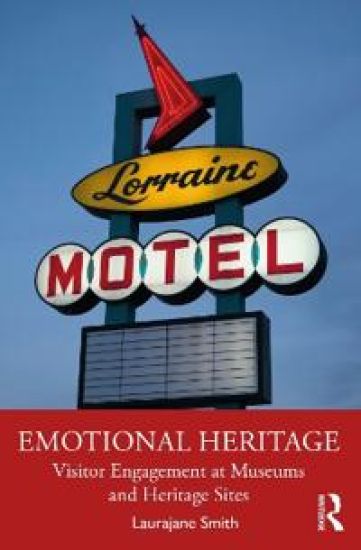
Emotional Heritage brings the issues of affect and power in the theorisation of heritage to the fore, whilst also highlighting the affective and political consequences of heritage-making. Drawing on interviews with visitors to museums and heritage sites in the United States, Australia and England, Smith argues that obtaining insights into how visitors use such sites enables us to understand the impact and consequences of professional heritage and museological practices. The concept of registers of engagement is introduced to assess variations in how visitors use museums and sites that address national or dissonant histories and the political consequences of their use. Visitors are revealed as agents in the roles cultural institutions play in maintaining or challenging the political and social status quo. Heritage is, Smith argues, about people and their social situatedness and the meaning they, alongside or in concert with cultural institutions, make and mobilise to help them address social problems and expressions of identity and sense of place in and for the present. Academics, students and practitioners interested in theories of power and affect in museums and heritage sites will find Emotional Heritage to be an invaluable resource. Helping professionals to understand the potential impact of their practice, the book also provides insights into the role visitors play in the interplay between heritage and politics.
Emotional Heritage

Emotional Heritage

Laurajane Smith

Routledge
2020
nidottu

Halvin toimitettuna 58,10 €

Emotional Heritage brings the issues of affect and power in the theorisation of heritage to the fore, whilst also highlighting the affective and political consequences of heritage-making. Drawing on interviews with visitors to museums and heritage sites in the United States, Australia and England, Smith argues that obtaining insights into how visitors use such sites enables us to understand the impact and consequences of professional heritage and museological practices. The concept of registers of engagement is introduced to assess variations in how visitors use museums and sites that address national or dissonant histories and the political consequences of their use. Visitors are revealed as agents in the roles cultural institutions play in maintaining or challenging the political and social status quo. Heritage is, Smith argues, about people and their social situatedness and the meaning they, alongside or in concert with cultural institutions, make and mobilise to help them address social problems and expressions of identity and sense of place in and for the present. Academics, students and practitioners interested in theories of power and affect in museums and heritage sites will find Emotional Heritage to be an invaluable resource. Helping professionals to understand the potential impact of their practice, the book also provides insights into the role visitors play in the interplay between heritage and politics.
Heritage, Communities and Archaeology

Heritage, Communities and Archaeology

Laurajane Smith; Emma Waterton

Bristol Classical Press
2009
nidottu
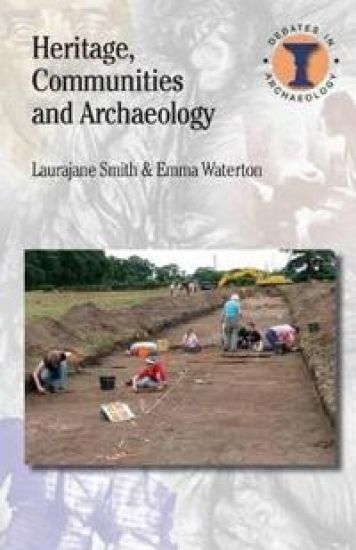
This book traces the development of 'community archaeology', identifying both its advantages and disadvantages by describing how and why tensions have arisen between archaeological and community understandings of the past. The focus of this book is the conceptual disjunction between heritage and data and the problems this poses for both archaeologists and communities in communicating and engaging with each other. In order to explain the extent of the miscommunication that can occur, the authors examine the ways in which a range of community groups, including communities of expertise, define and negotiate memory and identity. Importantly, they explore the ways in which these expressions are used, or are taken up, in struggles over cultural recognition - and ultimately, the practical, ethical, political and theoretical implications this has for archaeologists engaging in community work. Finally, they argue that there are very real advantages for archaeological research, theory and practice to be gained from engaging with communities.
Uses of Heritage

Uses of Heritage

Laurajane Smith

Routledge
2006
nidottu

Halvin toimitettuna 58,10 €

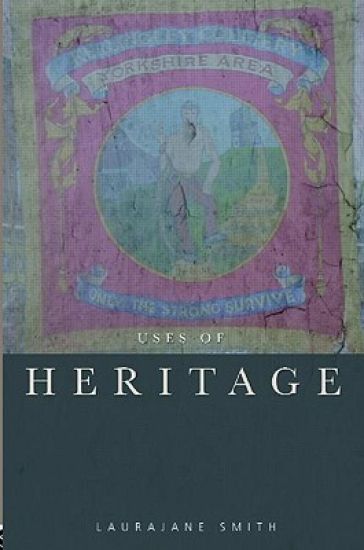
Examining international case studies including USA, Asia, Australia and New Zealand, Laurajane Smith identifies and explores the use of heritage throughout the world. Challenging the idea that heritage value is self-evident, and that things must be preserved because they have an inherent importance, Smith forcefully demonstrates that heritage value is not inherent in physical objects or places, but rather that these objects and places are used to give tangibility to the values that underpin different communities and to assert and affirm these values. A practically grounded accessible examination of heritage as a cultural practice, The Uses of Heritage is global in its benefit to students and field professionals alike.
Uses of Heritage

Uses of Heritage

Laurajane Smith

Routledge
2006
sidottu
Examining international case studies including USA, Asia, Australia and New Zealand, Laurajane Smith identifies and explores the use of heritage throughout the world. Challenging the idea that heritage value is self-evident, and that things must be preserved because they have an inherent importance, Smith forcefully demonstrates that heritage value is not inherent in physical objects or places, but rather that these objects and places are used to give tangibility to the values that underpin different communities and to assert and affirm these values. A practically grounded accessible examination of heritage as a cultural practice, The Uses of Heritage is global in its benefit to students and field professionals alike.
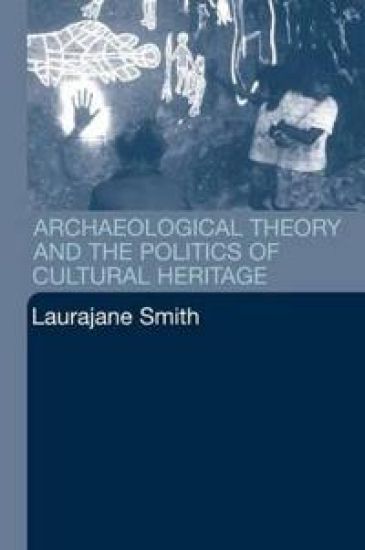
Archaeological Theory and the Politics of Cultural Heritage
This controversial book is a survey of how relationships between indigenous peoples and the archaeological establishment have got into difficulty, and a crucial pointer to how to move forward from this point. With lucid appraisals of key debates such as NAGPRA, Kennewick and the repatriation of Tasmanian artefacts, Laurajane Smith dissects the nature and consequences of this clash of cultures. Smith explores how indigenous communities in the USA and Australia have confronted the pre-eminence of archaeological theory and discourse in the way the material remains of their past are cared for and controlled, and how this has challenged traditional archaeological thought and practice. Essential reading for all those concerned with developing a just and equal dialogue between the two parties, and the role of archaeology in the research and management of their heritage.
Archaeological Theory and the Politics of Cultural Heritage
This controversial book is a survey of how relationships between indigenous peoples and the archaeological establishment have got into difficulty, and a crucial pointer to how to move forward from this point. With lucid appraisals of key debates such as NAGPRA, Kennewick and the repatriation of Tasmanian artefacts, Laurajane Smith dissects the nature and consequences of this clash of cultures. Smith explores how indigenous communities in the USA and Australia have confronted the pre-eminence of archaeological theory and discourse in the way the material remains of their past are cared for and controlled, and how this has challenged traditional archaeological thought and practice. Essential reading for all those concerned with developing a just and equal dialogue between the two parties, and the role of archaeology in the research and management of their heritage.