Kirjojen hintavertailu – 12 903 739 kirjaa ja 27 kauppaa
Kirjailija
Laurence M. Harwood
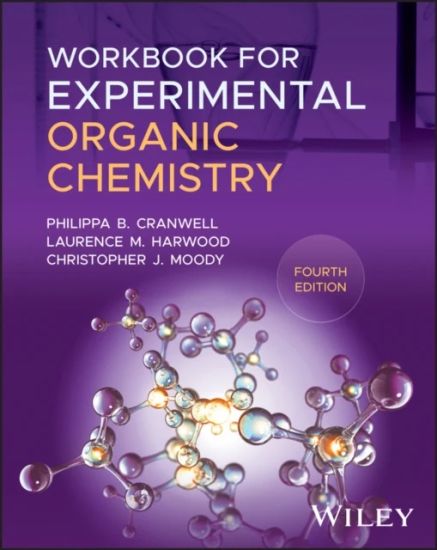
Kirjat ja teokset yhdessä paikassa: 5 kirjaa, julkaisuja vuosilta 1992–2027, suosituimpiin kuuluu Experimental Organic Chemistry Workbook. Vertaile teosten hintoja ja tarkista saatavuus suomalaisista kirjakaupoista.
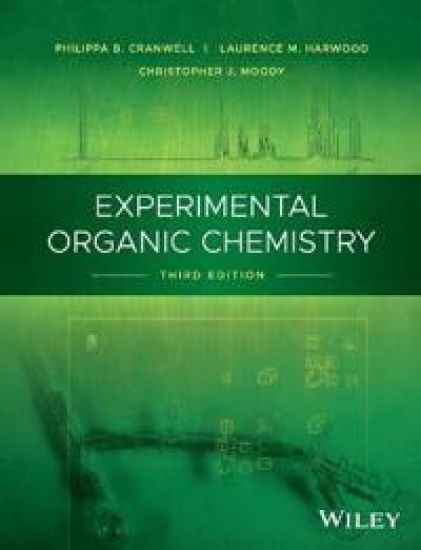
The definitive guide to the principles and practice of experimental organic chemistry — fully updated and now featuring more than 100 experiments The latest edition of this popular guide to experimental organic chemistry takes students from their first day in the laboratory right through to complex research procedures. All sections have been updated to reflect new techniques, equipment and technologies, and the text has been revised with an even sharper focus on practical skills and procedures. The first half of the book is devoted to safe laboratory practice as well as purification and analytical techniques; particularly spectroscopic analysis. The second half contains step-by-step experimental procedures, each one illustrating a basic principle, or important reaction type. Tried and tested over almost three decades, over 100 validated experiments are graded according to their complexity and all are chosen to highlight important chemical transformations and to teach key experimental skills. New sections cover updated health and safety guidelines, additional spectroscopic techniques, electronic notebooks and record keeping, and techniques, such as semi-automated chromatography and enabling technologies such as the use of microwave and flow chemistry. New experiments include transition metal-catalysed cross-coupling, organocatalysis, asymmetric synthesis, flow chemistry, and microwave-assisted synthesis. Key aspects of this third edition include: Detailed descriptions of the correct use of common apparatus used in the organic laboratoryOutlines of practical skills that all chemistry students must learnHighlights of aspects of health and safety in the laboratory, both in the first section and throughout the experimental proceduresFour new sections reflecting advances in techniques and technologies, from electronic databases and information retrieval to semi-automated chromatographyMore than 100 validated experiments of graded complexity from introductory to research levelA user-friendly experiment directoryAn instructor manual and PowerPoint slides of the figures in the book available on a companion website A comprehensive guide to contemporary organic chemistry laboratory principles, procedures, protocols, tools and techniques, Experimental Organic Chemistry, Third Edition is both an essential laboratory textbook for students of chemistry at all levels, and a handy bench reference for experienced chemists.
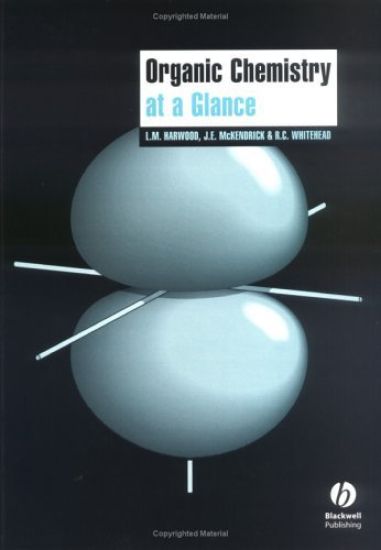
With the diverse teaching backgrounds of first year university students, the highly detailed traditional organic chemistry textbook does not provide an easily digestible presentation of the very basic information required by many students to begin their study of this exciting subject. Based on the highly successful and student friendly “at a glance” approach, with integrated, self contained double page spreads of text and graphics, Organic Chemistry at a Glance provides concise organic chemistry notes for students studying chemistry and related courses at undergraduate level. Graphical presentation of information is central to the book and facilitates the rapid assimilation and understanding of the basic concepts, principles and definitions of organic chemistry. It is not intended to replace existing organic chemistry textbooks, but to provide a tool with which the student can quickly, economically and confidently acquire, regularly review and revise the basic facts that underpin organic chemistry.
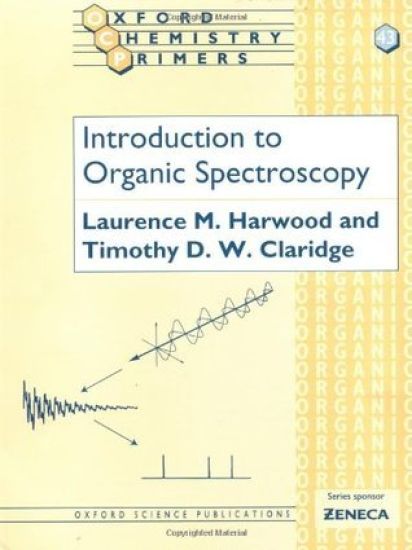
An understanding of spectroscopic techniques in the analysis of chemical structures is essential to all chemistry degree courses. This new addition to the Oxford Chemistry Primers series provides the essential material needed by undergraduates, in a compact form. It will be beneficial to postgraduates in organic chemistry as reference material in their daily research.
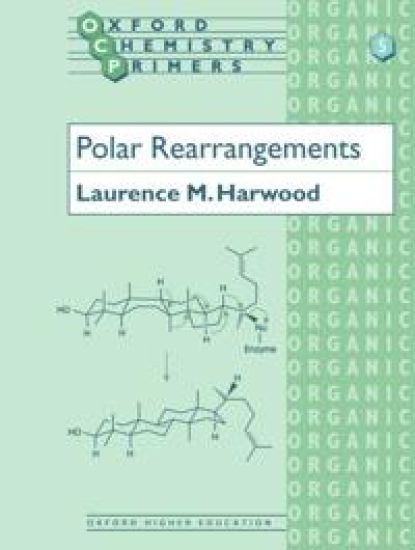
The general principles of polar rearrangements are brought together in this text, which deals with all the major rearrangements involving electron-deficient atoms or charged intermediates. Reactions involving migration to electron-deficient carbon, nitrogen, oxygen, and sulphur, and sigmatropic rearrangements involving polar species, are thus treated in a coherent and consistent manner. Clear discussions of the reaction mechanisms are followed by examples of synthetic applications, providing a concise yet comprehensive account of the nature and importance of these processes.