Kirjojen hintavertailu – 12 903 725 kirjaa ja 27 kauppaa
Kirjailija
Laurenz Lütteken
Kirjat ja teokset yhdessä paikassa: 9 kirjaa, julkaisuja vuosilta 1998–2026, suosituimpiin kuuluu Aufgehobene Revolution. Vertaile teosten hintoja ja tarkista saatavuus suomalaisista kirjakaupoista.
Laurenz Lüttekens pointierte Essays, gerichtet an ein breites Publikum, laden zu Erkundungen und Reflexionen über den unendlichen Gegenstand Musik vom späten Mittelalter bis in die Gegenwart ein. Dabei stehen Texte zu einzelnen Werken im Mittelpunkt, nicht im Sinne von Kommentaren, sondern von grundsätzlichen Erwägungen, die sich am konkreten Detail entzünden. Sie werfen Schlaglichter auf zentrale Fragen, Zusammenhänge und Denkformen der jeweiligen Zeit.
Ein Sinn, der verborgen oder enthüllt werden kann, ist eine der zentralen Denkfiguren der Neuzeit. Das betrifft auch die Frage, was Musik eigentlich sei. Je stärker man darüber nachgedacht hat, desto brüchiger, changierender ist die Annahme von einem substantiellen Wesenskern der Musik geworden. In diesem Buch geht es nicht um ästhetische oder theoretische Überlegungen dazu, sondern um die Frage, ob und auf welche Weise komponierte Musik sich selbst zum Gegenstand macht und so möglicherweise etwas von ihrem Kern preisgibt. Die optischen Metaphern von Verhüllung und Enthüllung erweisen sich dabei als ebenso hilfreich wie anschaulich. In einer Reihe von Beispielen, die vom 17. bis in die Gegenwart reichen, wird das Phänomen in seiner ganzen Vielfalt beschrieben. Dabei geht es nicht nur um Opern von Mozart bis Strauss, sondern auch um Monteverdis Vokalmusik, Haydns „Schöpfung“, die Sinfonien Bruckners oder Ligetis Etüden.
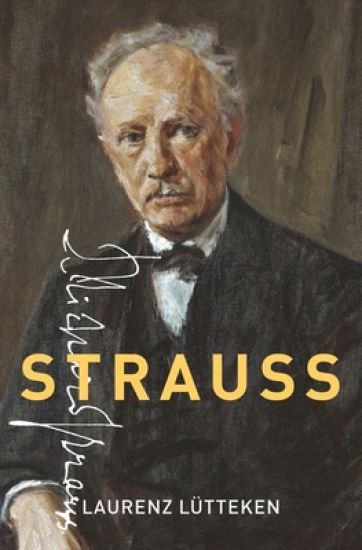
Richard Strauss is an outlier in the context of twentieth century music. Some consider him a composer of the late romantic period, while others declare him a traitor of modernity for his role in National Socialism. Despite the controversy surrounding him, Strauss's works—even beyond his most well-known operas Elektra and Rosenkavalier—are present in the repertories of concert halls worldwide and continue to enjoy large audiences. The details of the composer's life, however, remain shrouded in mystery and gossip. Laurenz Lütteken's Strauss presents a fresh approach to understanding this elusive composer's life and works. Dispensing with stereotypes and sensationalism, it reveals Strauss to be a sensitive intellectual and representative of modernity, with all light and shade of the turn of the twentieth century.
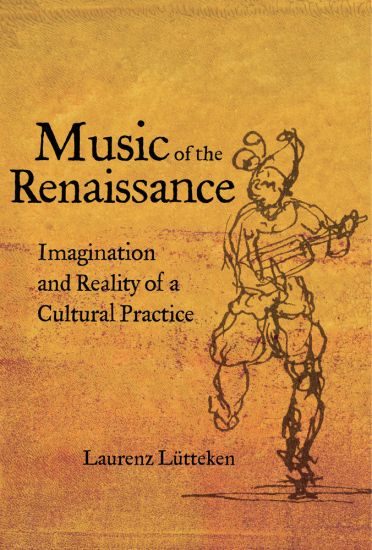
Where previous accounts of the Renaissance have not fully acknowledged the role that music played in this decisive period of cultural history, Laurenz Lütteken merges historical music analysis with the analysis of the other arts to provide a richer context for the emergence and evolution of creative cultures across civilizations. This fascinating panorama foregrounds music as a substantial component of the era and considers musical works and practices in a wider cultural-historical context. Among the topics surveyed are music's relationship to antiquity, the position of music within systems of the arts, the emergence of the concept of the musical work, as well as music's relationship to the theory and practice of painting, literature, and architecture. What becomes clear is that the Renaissance gave rise to many musical concepts and practices that persist to this day, whether the figure of the composer, musical institutions, and modes of musical writing and memory.
The book attempts a fundamental conceptualization of an epoch in musical history that has received relatively little attention and is usually referred to with makeshift designations like "Sturm und Drang" borrowed from other disciplines. The studies draw on numerous new sources and are limited to the situation in Northern and Central Germany. They take account of the socio-historical context, new aesthetic paradigms and the direct connection between these and the history of composition. Analyses are made of individual works and typical genre features (Telemann, C. P. E. Bach, Rolle, Gluck etc.).