
Kirjailija
Laurie Hunter
Kirjat ja teokset yhdessä paikassa: 8 kirjaa, julkaisuja vuosilta 2017–2023, suosituimpiin kuuluu Phonics Stories, Long Vowels. Vertaile teosten hintoja ja tarkista saatavuus suomalaisista kirjakaupoista.
8 kirjaa
Kirjojen julkaisuvuodet: 2017–2023.
Phonics Stories, The Other Vowel Sounds is appropriate for intermediate beginner readers and students of all abilities who are learning to read. Six stories systematically introduce vowel sounds that are not long or short (ou, ow, oo, ar, or, er, ir, ur, oi, and oy). A phonics word study accompanies each story, allowing students the opportunity to study and practice spelling words with the phonics pattern(s) from each story. After each story, the author, Laurie Hunter, has written a letter about the theme of each phonics story. The letters are intended to be read by a parent or instructor. This gives students opportunities to engage and interact with the author and instructor and to discuss important social and emotional learning (SEL) topics such as interdependence, asking for help, communicating with senior family members, being resourceful, creating goals, feeling grateful, showing appreciation, purpose, value, and the dangers of smoking and taking drugs. Laurie Hunter integrates character development into all her stories. Laurie Hunter earned her master's in education from The University of Texas at Austin and has taught children of all abilities how to read using this systematic reading instruction since 2005. The following reading instruction manual, phonics stories, and 3-D phonics visual aids are sold separately. Cultivating Reading and Phonics Skills Instruction ManualPhonics Stories, Short Vowels, Level 1Phonics Stories, Long Vowels, Level 2Phonics Stories, The Other Vowel Sounds, Level 3Phonics Stories, Advanced Long and Short Vowel Patterns, Level 4. Laurie Hunter aims to empower teachers, parents, and students and is also the author of Cultivating Respect and Cooperation, a 21-step program that builds personal responsibility and executive function skills to achieve academic and social-emotional success for children and teens. All books are appropriate for school and home learning environments.
Phonics Stories, Long Vowels is appropriate for intermediate beginner readers and students of all abilities who are learning to read. The first five stories systematically introduce one long vowel sound at a time. The sixth story introduces soft c and g. At the end of each story, the author provides tips on how the student can identify the main character, conflict, resolution, and theme. The questions give readers opportunities to engage with the text and interact with the author and instructor. Also, a phonics word study accompanies each story. Beginner readers and students of all abilities benefit from reading instruction that systematically introduces letters and letter groups. When readers learn phonics explicitly and in an orderly and methodical way, they can see how words can be consistent. With time and practice, they build a relationship with letters, letter groups, and words. This is how struggling readers' interest, skills, and confidence grow. Laurie Hunter earned her master's in education from The University of Texas at Austin and has been teaching children of all abilities how to read using this systematic reading instruction since 2005. A reading instruction manual, other phonics stories, and 3-D visual aids are sold separately. Cultivating Reading and Phonics Skills Instruction Manual by Laurie Hunter Phonics Stories - Short Vowels - Level 1 Phonics Stories - Long Vowels - Level 2 Phonics Stories - The Other Vowel Sounds - Level 3 Phonics Stories - Advanced Long and Short Vowel Patterns - Level 4
Phonics Stories, Short Vowels - Level 1, is appropriate for beginner readers and students of all abilities. The first five stories systematically introduce one short vowel at a time. The sixth story focuses on the digraphs: wh, th, sh, ch, and ck. The last story is cumulative and provides additional practice reading all the short vowel sounds. The stories give readers opportunities to engage with the text and interact with the author, instructor, or fellow students with a spelling and phonics word study that accompanies each story. Beginner readers and students of all abilities benefit from reading instruction that systematically introduces letters and letter groups. When readers learn phonics explicitly and in an orderly and methodical way, they can see how words can be consistent. With time and practice, they build a relationship with letters, letter groups, and words. This is how struggling readers' interest, skills, and confidence grow. Laurie Hunter earned her master's in education from The University of Texas at Austin and has been teaching children of all abilities how to read using this systematic reading instruction since 2005. A reading instruction manual, phonics stories, and 3-D phonics visual aids are sold separately. Cultivating Reading and Phonics Skills Instruction ManualPhonics Stories - Short Vowels - Level 1 Phonics Stories - Long Vowels - Level 2 Phonics Stories - The Other Vowel Sounds - Level 3 Phonics Stories - Advanced Long and Short Vowel Patterns - Level 4
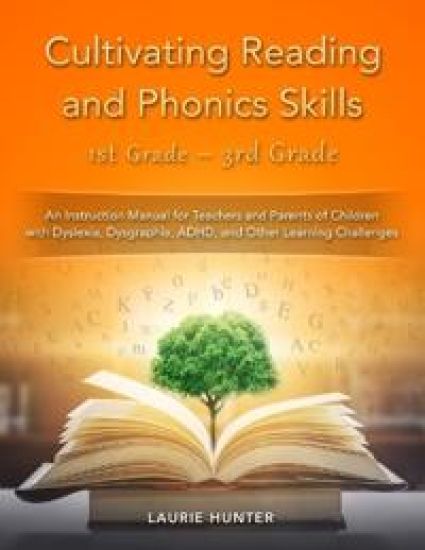
Cultivating Reading and Phonics Skills, 1st Grade - 3rd Grade
Laurie Hunter
Laurie Hunter
2020
pokkari

People's Capitalism?
Lesley Baddon; Laurie Hunter; Jeff Hyman; John Leopold; Harvie Ramsay
Routledge
2019
nidottu
First published in 1989. In the decade before this book was originally published, employee share ownership and profit sharing had increased markedly as successive governments introduced fiscal legislation promoting their uses. Yet how successful had ‘people’s capitalism’ been? The Glasgow study was a major empirical investigation into this issue and was a response to the need for an independent assessment. It discusses how attitudes to ownership had changed and how these, in turn, related to attitudes to work. It also addresses the implications of profit sharing and employee share ownership for industrial relations both for individual companies and at a national level.
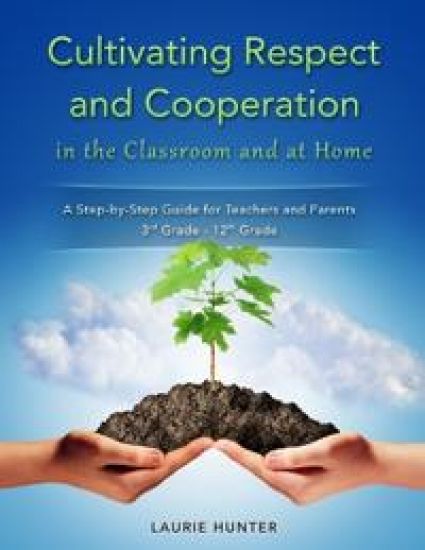
Cultivating Respect and Cooperation in the Classroom and at Home
Laurie Hunter
Laurie Hunter
2019
pokkari
Every day, teachers and parents face the toughest challenges: disrespect, lack of cooperation, resistance, negativity, hostility, and teen suicide. Conventional and time-honored practices may offer techniques for temporarily controlling the behaviors of children and teens, but they may also be the very thing that escalates problems in classrooms and at home. Cultivating Respect and Cooperation contains 21 steps that parents, teachers, tutors, coaches, and counselors can use to meet the needs of our modern classrooms and families. It is a systematic and cumulative approach that motivates children and teens to address problem behaviors and develop: 1) respect and cooperation, 2) executive functions and metacognition, such as self-monitoring, planning, logic, and organization, 3) personal responsibility, self-discipline, motivation, and character, 4) courage, confidence, resiliency, and trust, and 5) authentic connections for mutual understanding. Each chapter includes a lesson with metaphors and perspectives you can share to create paradigm shifts in children and teens. In turn, students gain increased awareness that leads to constructive insight, self-monitoring, and improvement of their executive functions. In the process, you begin to re-pattern the way you and your children think, talk, and act. The author's goal is to empower parents and teachers to connect with children of all abilities, as well as the joys of teaching and parenting. Laurie Hunter has worked with struggling kids and teens and their families since 2005. She received her Master in Education from The University of Texas at Austin and has been a private academic intervention tutor, a permanent substitute teacher, and PTA president for 5 years at her children's middle school. Laurie is a mother of dyslexic twin sons who graduated from Texas State University and a daughter with ADHD who also graduated from Texas State University.

People's Capitalism?
Lesley Baddon; Laurie Hunter; Jeff Hyman; John Leopold; Harvie Ramsay
Routledge
2017
sidottu
First published in 1989. In the decade before this book was originally published, employee share ownership and profit sharing had increased markedly as successive governments introduced fiscal legislation promoting their uses. Yet how successful had ‘people’s capitalism’ been? The Glasgow study was a major empirical investigation into this issue and was a response to the need for an independent assessment. It discusses how attitudes to ownership had changed and how these, in turn, related to attitudes to work. It also addresses the implications of profit sharing and employee share ownership for industrial relations both for individual companies and at a national level.