
Kirjojen hintavertailu – 12 859 828 kirjaa ja 27 kauppaa

Kirjailija

Laurie L. Rice

Kirjat ja teokset yhdessä paikassa: 2 kirjaa, julkaisuja vuosilta 2016–2018, suosituimpiin kuuluu Web 2.0 and the Political Mobilization of College Students. Vertaile teosten hintoja ja tarkista saatavuus suomalaisista kirjakaupoista.

2 kirjaa

Kirjojen julkaisuvuodet: 2016–2018.

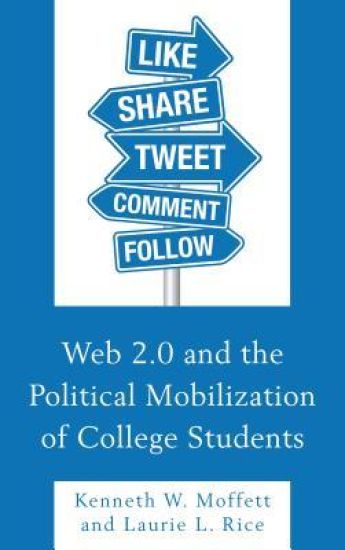
Web 2.0 and the Political Mobilization of College Students

Web 2.0 and the Political Mobilization of College Students

Kenneth W. Moffett; Laurie L. Rice

Lexington Books
2018
nidottu
Web 2.0 and the Political Mobilization of College Students investigates how college students’ online activities, when politically oriented, can affect their political participatory patterns offline. Kenneth W. Moffett and Laurie L. Rice find that online forms of political participation—like friending or following candidates and groups as well as blogging or tweeting about politics—draw in a broader swathe of young adults than might ordinarily participate. Political scientists have traditionally determined that participatory patterns among the general public hold less sway in shaping civic activity among college students. This book, however, recognizes that young adults’ political participation requires looking at their online activities and the ways in which these help mobilize young adults to participate via other forms. Moffett and Rice discover that engaging in one online participatory form usually begets other forms of civic activity, either online or offline.
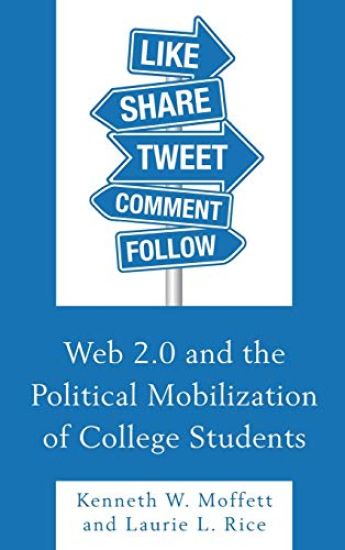
Web 2.0 and the Political Mobilization of College Students

Web 2.0 and the Political Mobilization of College Students

Kenneth W. Moffett; Laurie L. Rice

Lexington Books
2016
sidottu
Web 2.0 and the Political Mobilization of College Students investigates how college students’ online activities, when politically oriented, can affect their political participatory patterns offline. Kenneth W. Moffett and Laurie L. Rice find that online forms of political participation—like friending or following candidates and groups as well as blogging or tweeting about politics—draw in a broader swathe of young adults than might ordinarily participate. Political scientists have traditionally determined that participatory patterns among the general public hold less sway in shaping civic activity among college students. This book, however, recognizes that young adults’ political participation requires looking at their online activities and the ways in which these help mobilize young adults to participate via other forms. Moffett and Rice discover that engaging in one online participatory form usually begets other forms of civic activity, either online or offline.