Kirjojen hintavertailu – 12 903 724 kirjaa ja 27 kauppaa
Kirjailija
Lawrence G. Calhoun
Kirjat ja teokset yhdessä paikassa: 7 kirjaa, julkaisuja vuosilta 1995–2014, suosituimpiin kuuluu Helping Bereaved Parents. Vertaile teosten hintoja ja tarkista saatavuus suomalaisista kirjakaupoista.
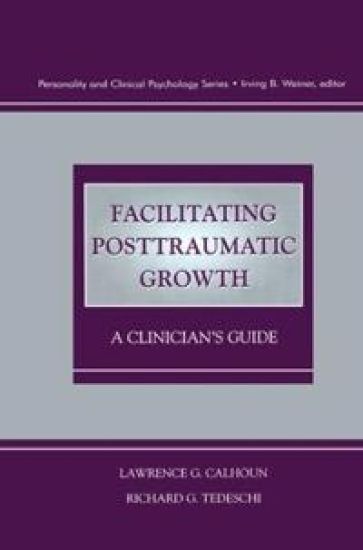
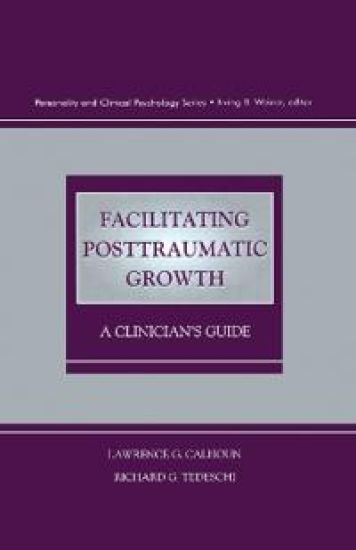
In this book, Calhoun and Tedeschi construct the first systematic framework for clinical efforts to enhance the processes they sum up as posttraumatic growth. Posttraumatic growth is the phenomenon of positive change through struggle with even the most horrible sets of circumstances. People who experience it tend to describe three general types of change: realistically stronger feelings of vulnerability that are nonetheless accompanied by stronger feelings of personal resilience, closer and deeper relationships with others, and a stronger sense of spirituality. Posttraumatic growth has only recently become an important focus of interest for researchers and practitioners. Drawing on a burgeoning professional literature as well as on their own extensive clinical experience, the authors present strategies for helping clients effect all three types of positive change - strategies that have been tested in a variety of groups facing a variety of crises and traumas. Their concise yet comprehensive practical guide will be welcomed by all those who counsel persons grappling with the worst life has to offer.
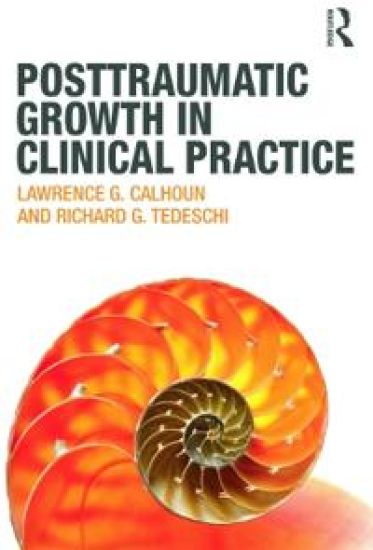
From the authors who pioneered the concept of posttraumatic growth comes Posttraumatic Growth in Clinical Practice, a book that brings the study of growth after trauma into the twenty-first century. Clinicians will find a framework that’s easy to use and flexible enough to be tailored to the needs of particular clients and specific therapeutic approaches. And, because it utilizes a model of relating described as "expert companionship," clinicians learn how to become most empathically effective in helping a variety of trauma survivors. Clinicians will come away from this book having learned how to assess posttraumatic growth, how to address it in treatment, and they’ll also have a basic grasp of the ways the changes they’re promoting will be received in various cultural contexts. Case examples show how utilizing a process developed from an empirically-based model of posttraumatic growth can promote important personal changes in the aftermath of traumatic events.
From the authors who pioneered the concept of posttraumatic growth comes Posttraumatic Growth in Clinical Practice, a book that brings the study of growth after trauma into the twenty-first century. Clinicians will find a framework that’s easy to use and flexible enough to be tailored to the needs of particular clients and specific therapeutic approaches. And, because it utilizes a model of relating described as "expert companionship," clinicians learn how to become most empathically effective in helping a variety of trauma survivors. Clinicians will come away from this book having learned how to assess posttraumatic growth, how to address it in treatment, and they’ll also have a basic grasp of the ways the changes they’re promoting will be received in various cultural contexts. Case examples show how utilizing a process developed from an empirically-based model of posttraumatic growth can promote important personal changes in the aftermath of traumatic events.
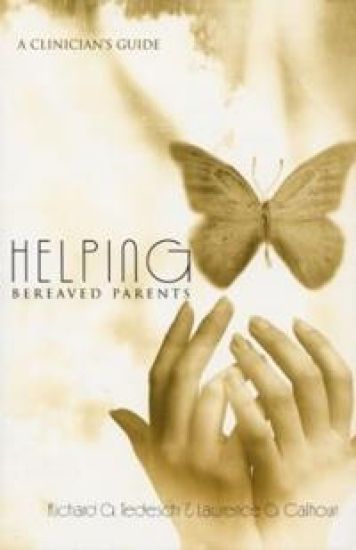
This book provides a concise, yet comprehensive guide to effective work with bereaved parents, combining a broad overview of current research, theory, and practice with the authors' own extensive clinical experience. Transcripts of individual, couple, and group meetings illustrate the delicate subtleties of this work, giving the reader helpful insights into more effective clinical practice. The authors emphasize the importance of approaching each parent as a unique person, while also considering the socio-cultural context of the bereaved. This book helps clinicians approach work with bereaved parents with a less scripted format, suggesting an alternative role as expert companion to the bereaved, allowing for a more uplifting experience for both parties.
Providing the clinician with an understanding of the experience of grieving parents, this text is a concise clinical on how best to assist the bereaved parent. The authors combine their extensive experience and expertise with persons who have undergone loss, with their empirical research on this topic.
In this book, Calhoun and Tedeschi construct the first systematic framework for clinical efforts to enhance the processes they sum up as posttraumatic growth. Posttraumatic growth is the phenomenon of positive change through struggle with even the most horrible sets of circumstances. People who experience it tend to describe three general types of change: realistically stronger feelings of vulnerability that are nonetheless accompanied by stronger feelings of personal resilience, closer and deeper relationships with others, and a stronger sense of spirituality. Posttraumatic growth has only recently become an important focus of interest for researchers and practitioners. Drawing on a burgeoning professional literature as well as on their own extensive clinical experience, the authors present strategies for helping clients effect all three types of positive change - strategies that have been tested in a variety of groups facing a variety of crises and traumas. Their concise yet comprehensive practical guide will be welcomed by all those who counsel persons grappling with the worst life has to offer.
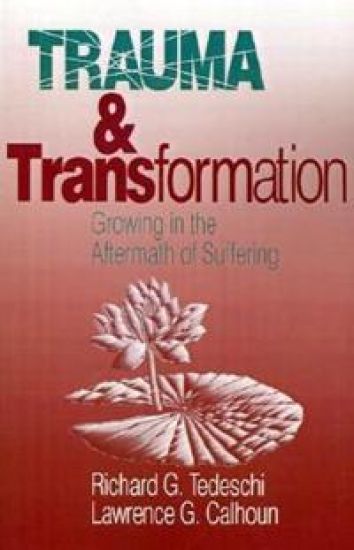
There are a growing number of books on the market focusing on the history, symptomatology, and treatment of trauma and PTSD. This book provides something unique as its purpose is to highlight the 'personal positive growth or strengthening that often occurs in persons who have faced traumatic events.' As the book points out, this is a sadly neglected area in terms of research. . . . This book has something to offer to the layperson and those who have experienced a traumatic event as well as to the seasoned professional. It is written in an easily accessible style and, given the price of books these days, is also a good value for the money. --Gladeana McMahon in British Psychological Society Counseling Psychology Review "This is a useful book, especially for those involved with research on this important issue." --James Graves, M. D., in Readings: A Journal of Reviews and Commentary in Mental Health Unique in focusing on the positive outcomes of coping with crisis, this volume helps you to understand the process of growth after trauma and apply that knowledge to the counseling relationship. Sensitizing the reader to the pain experienced by people affected by trauma, the authors weave together literature from philosophy, religion, and psychology to form a model of active coping and transformation. An essentially cognitive framework gives conceptual context to the important changes in trauma survivors' belief systems that the authors examine and upon which they build. Case examples and quotations from literary and religious sources as well as from the authors' research and clinical work articulate the coping and growth process and cultivate compassion and understanding. At the same time, the authors' findings and analysis of important research encourage researchers to more closely examine this type of personal growth. This volume provides new information and perspectives invaluable to all those in the helping professions, in a variety of counseling settings, as well as researchers and students in clinical psychology, psychology, nursing, interpersonal violence, and family studies. "At last someone has assembled and integrated the extensive literature on coping with trauma. The authors provide a thoughtful and creative analysis of the process by which survivors of trauma experience personal growth. They propose their own model of coping that incorporates a wide range of personality variables, coping strategies, tasks, cognitive processes, and social support. Chockfull of engaging case examples and suggestions for researchers and therapists, this is a must read for anyone interested in the human dimensions of surviving trauma." --Raymond M. Berger, Professor (retired), California State University, Long Beach