Kirjojen hintavertailu – 12 859 826 kirjaa ja 27 kauppaa

Kirjailija

Lawrence Ganong

Kirjat ja teokset yhdessä paikassa: 6 kirjaa, julkaisuja vuosilta 1999–2024, suosituimpiin kuuluu Stepfamily Relationships. Vertaile teosten hintoja ja tarkista saatavuus suomalaisista kirjakaupoista.

6 kirjaa

Kirjojen julkaisuvuodet: 1999–2024.

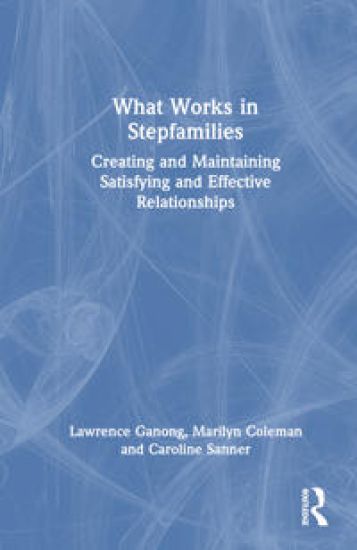
What Works in Stepfamilies

What Works in Stepfamilies

Lawrence Ganong; Marilyn Coleman; Caroline Sanner

TAYLOR FRANCIS LTD
2024
sidottu
This book uses a strengths-based approach and resilience perspective to offer guidance on what works in creating effective stepfamily relationships, sharing findings and empirically supported best practices for stepfamily members and the family professionals that work with them. Drawing from over 2,500 studies, Ganong, Coleman, and Sanner present a comprehensive overview of research on what works to create positive and satisfying stepfamily relationships. Chapters address how to work with stepcouples, stepparents, biological parents, co-parents, stepsiblings and half-siblings, and biological and stepgrandparents, with illustrative case studies throughout. It emphasizes the diversity and complexity of stepfamilies, including work with LGBTQ+ stepfamilies, stepfamilies from various racial and ethnic groups, and stepfamily relationships across the life course, from childrearing stepfamilies to those formed later in life. This book is essential reading for students, researchers, and practitioners interested in strengthening stepfamily relationships, such as those studying or working in family science, marriage and family therapy, psychology, and social work.
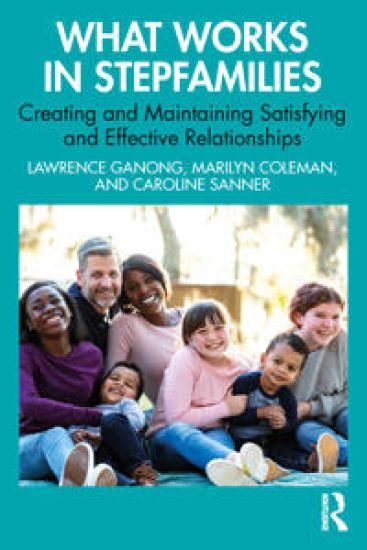
What Works in Stepfamilies

What Works in Stepfamilies

Lawrence Ganong; Marilyn Coleman; Caroline Sanner

TAYLOR FRANCIS LTD
2024
nidottu
This book uses a strengths-based approach and resilience perspective to offer guidance on what works in creating effective stepfamily relationships, sharing findings and empirically supported best practices for stepfamily members and the family professionals that work with them. Drawing from over 2,500 studies, Ganong, Coleman, and Sanner present a comprehensive overview of research on what works to create positive and satisfying stepfamily relationships. Chapters address how to work with stepcouples, stepparents, biological parents, co-parents, stepsiblings and half-siblings, and biological and stepgrandparents, with illustrative case studies throughout. It emphasizes the diversity and complexity of stepfamilies, including work with LGBTQ+ stepfamilies, stepfamilies from various racial and ethnic groups, and stepfamily relationships across the life course, from childrearing stepfamilies to those formed later in life. This book is essential reading for students, researchers, and practitioners interested in strengthening stepfamily relationships, such as those studying or working in family science, marriage and family therapy, psychology, and social work.
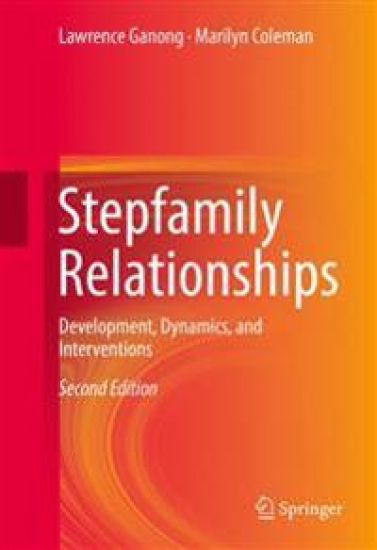
Stepfamily Relationships

Stepfamily Relationships

Lawrence Ganong; Marilyn Coleman

Springer-Verlag New York Inc.
2018
nidottu
This second edition synthesizes the emerging knowledge base on the diversity of stepfamilies, their inherent concerns, and why so relatively little is still known about them. Its extensive findings shed needed light on family arrangements relatively new to the literature (e.g., cohabitating stepparents), the effects of these relationships on different family members (e.g., stepsiblings, stepgrandparents), the experiences of gay and lesbian stepfamilies, and the stigma against non-nuclear families. Coverage reviews effective therapeutic and counseling interventions for emotional, familial, and social challenges of stepfamilies, as well as the merits of family education and self-help programs. The authors explore prevailing myths about marriage, divorce, and stepfamily life while expanding the limits of stepfamily research. Among the topics included: • The cultural context of stepfamilies.• Couple dynamics in stepfamilies.• Gay andlesbian couples in stepfamilies. • The dynamics of stepparenting. • Siblings, half-siblings, and stepsiblings. • Effects of stepfamily living on children.• Clinical perspectives on stepfamily dynamics. For researchers and clinicians who work with families, it enriches the literature as it offers insights and guidelines for effective practice as well as possible avenues for future research.
Stepfamily Relationships

Stepfamily Relationships

Lawrence Ganong; Marilyn Coleman

Springer-Verlag New York Inc.
2016
sidottu
This second edition synthesizes the emerging knowledge base on the diversity of stepfamilies, their inherent concerns, and why so relatively little is still known about them. Its extensive findings shed needed light on family arrangements relatively new to the literature (e.g., cohabitating stepparents), the effects of these relationships on different family members (e.g., stepsiblings, stepgrandparents), the experiences of gay and lesbian stepfamilies, and the stigma against non-nuclear families. Coverage reviews effective therapeutic and counseling interventions for emotional, familial, and social challenges of stepfamilies, as well as the merits of family education and self-help programs. The authors explore prevailing myths about marriage, divorce, and stepfamily life while expanding the limits of stepfamily research. Among the topics included: • The cultural context of stepfamilies.• Couple dynamics in stepfamilies.• Gay andlesbian couples in stepfamilies. • The dynamics of stepparenting. • Siblings, half-siblings, and stepsiblings. • Effects of stepfamily living on children.• Clinical perspectives on stepfamily dynamics. For researchers and clinicians who work with families, it enriches the literature as it offers insights and guidelines for effective practice as well as possible avenues for future research.
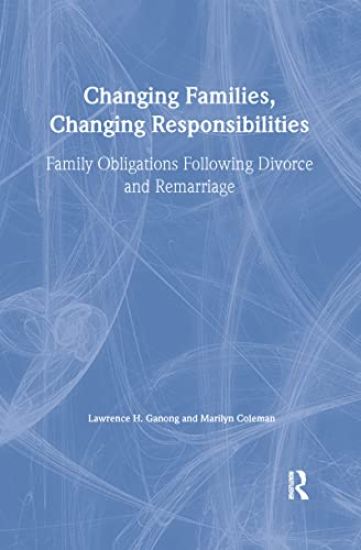
Changing Families, Changing Responsibilities

Changing Families, Changing Responsibilities

Marilyn Coleman; Lawrence Ganong

Psychology Press Ltd
2015
nidottu
This book explores the topic of family obligations following changes in family structure caused by divorce and remarriage. Family obligations are commonly defined as the rights and duties that accompany family roles. They have been described as the "glue" that connects generations, as well as the "oughts" and "shoulds" that surround individual family relationships. This book is primarily concerned with normative beliefs about what family members should do for each other. It differs from previous accounts of family obligation norms because it specifically focuses on family responsibilities after divorce and remarriage, two events that affect an increasing number of families today. The authors draw extensively upon the findings of 13 studies of normative beliefs regarding post-divorce intergenerational family obligations. This book fills a gap in the present literature concerning family obligation. It addresses the weaknesses of prior research by focusing on family transitions and by presenting data from studies that employ contextual methods. The content will provide guidance to policymakers and helping professionals who work with families, and the unique focus and procedures of the studies are likely to set the standard for future assessments of normative beliefs about family obligations.
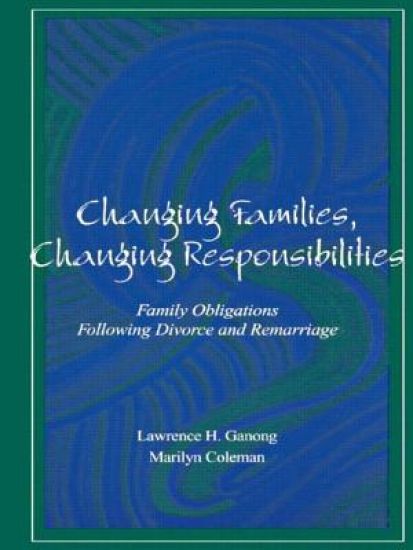
Changing Families, Changing Responsibilities

Changing Families, Changing Responsibilities

Marilyn Coleman; Lawrence Ganong

Psychology Press
1999
sidottu
This book explores the topic of family obligations following changes in family structure caused by divorce and remarriage. Family obligations are commonly defined as the rights and duties that accompany family roles. They have been described as the "glue" that connects generations, as well as the "oughts" and "shoulds" that surround individual family relationships. This book is primarily concerned with normative beliefs about what family members should do for each other. It differs from previous accounts of family obligation norms because it specifically focuses on family responsibilities after divorce and remarriage, two events that affect an increasing number of families today. The authors draw extensively upon the findings of 13 studies of normative beliefs regarding post-divorce intergenerational family obligations. This book fills a gap in the present literature concerning family obligation. It addresses the weaknesses of prior research by focusing on family transitions and by presenting data from studies that employ contextual methods. The content will provide guidance to policymakers and helping professionals who work with families, and the unique focus and procedures of the studies are likely to set the standard for future assessments of normative beliefs about family obligations.