Kirjojen hintavertailu – 12 903 724 kirjaa ja 27 kauppaa

Kirjailija

Lawrence Hamilton

Kirjat ja teokset yhdessä paikassa: 9 kirjaa, julkaisuja vuosilta 2014–2024, suosituimpiin kuuluu Rick Turner's Politics As the Art of the Impossible. Vertaile teosten hintoja ja tarkista saatavuus suomalaisista kirjakaupoista.

9 kirjaa

Kirjojen julkaisuvuodet: 2014–2024.

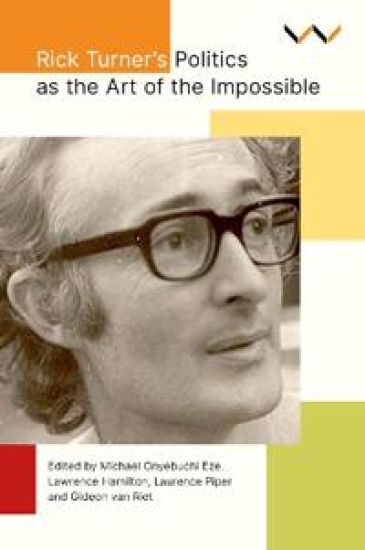
Rick Turner's Politics As the Art of the Impossible

Rick Turner's Politics As the Art of the Impossible

Michael Onyebuchi Eze; Lawrence Hamilton; Laurence Piper; Gideon van Riet; Paula Ensor; Daryl Glaser; Christine Hobden; Billy Keniston; Ayesha Omar; John Sodiq Sanni; Tendayi Sithole; Crain Soudien

WITS UNIVERSITY PRESS
2024
sidottu
Revisits the work of Rick Turner, a South African political theorist, and addresses contemporary debates Rick Turner was a South African academic and anti-apartheid activist who rebelled against the apartheid state at the height of its power. For this he was assassinated in 1978, at just 32 years of age, but his life and work are testimony to the power of philosophical thinking for humans everywhere. Turner chose to live freely in an unfree time and argued for a non-racial, socialist future in a context where this seemed unimaginable. This book takes seriously Rick Turner's challenge that political theorising requires thinking in a utopian way. Turner's seminal book The Eye of the Need: Towards a Participatory Democracy laid out some of his most potent ideas on a radically different political and economic system. His demand was that we work to escape the limiting ideas of the present, carefully design a just future based on shared human values, and act to make it a reality, both politically and in our daily lives. The contributors to this volume engage critically with Turner's work on race relations, his relationship with Steve Biko, his views on religion, education and gender oppression, his participatory model of democracy, and his critique of enduring forms of poverty and economic inequality. They show how, in his life and work, Turner modeled how we can dare to be free and how hope can return, as the future always remains open to human construction. This book makes an important contribution to contemporary thinking and activism where the need for South Africans to define their understanding of their greater common good is of crucial importance.
Rick Turner's Politics As the Art of the Impossible

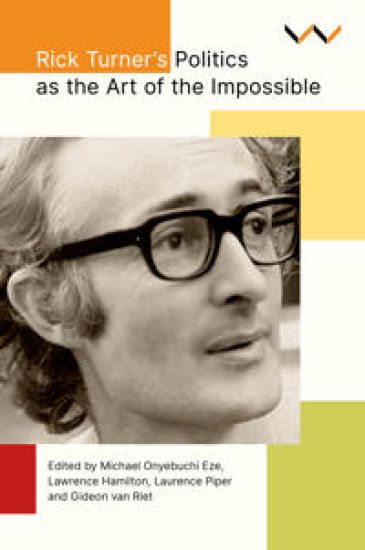
Rick Turner's Politics As the Art of the Impossible

Michael Onyebuchi Eze; Lawrence Hamilton; Laurence Piper; Gideon van Riet; Paula Ensor; Daryl Glaser; Christine Hobden; Billy Keniston; Ayesha Omar; John Sodiq Sanni; Tendayi Sithole; Crain Soudien

WITS UNIVERSITY PRESS
2024
pokkari
Revisits the work of Rick Turner, a South African political theorist, and addresses contemporary debates Rick Turner was a South African academic and anti-apartheid activist who rebelled against the apartheid state at the height of its power. For this he was assassinated in 1978, at just 32 years of age, but his life and work are testimony to the power of philosophical thinking for humans everywhere. Turner chose to live freely in an unfree time and argued for a non-racial, socialist future in a context where this seemed unimaginable. This book takes seriously Rick Turner's challenge that political theorising requires thinking in a utopian way. Turner's seminal book The Eye of the Need: Towards a Participatory Democracy laid out some of his most potent ideas on a radically different political and economic system. His demand was that we work to escape the limiting ideas of the present, carefully design a just future based on shared human values, and act to make it a reality, both politically and in our daily lives. The contributors to this volume engage critically with Turner's work on race relations, his relationship with Steve Biko, his views on religion, education and gender oppression, his participatory model of democracy, and his critique of enduring forms of poverty and economic inequality. They show how, in his life and work, Turner modeled how we can dare to be free and how hope can return, as the future always remains open to human construction. This book makes an important contribution to contemporary thinking and activism where the need for South Africans to define their understanding of their greater common good is of crucial importance.
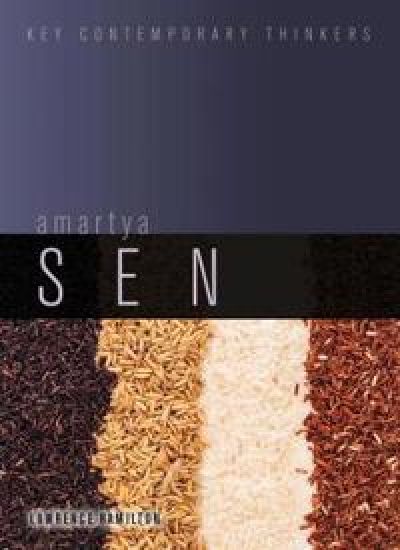
Amartya Sen

Amartya Sen

Lawrence Hamilton

Polity Press
2019
sidottu
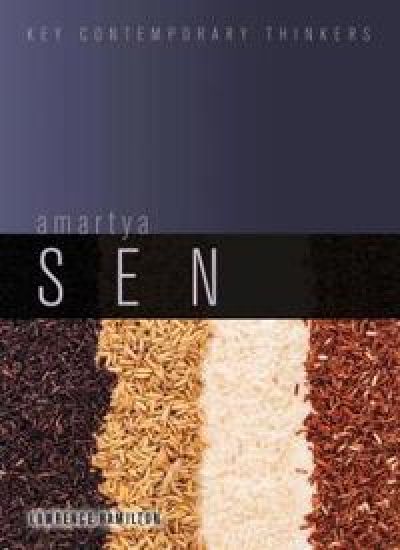
Amartya Sen is one of the world’s best-known voices for the poor, the destitute and the downtrodden and an inspiration for policy makers and activists across the globe. He has also contributed almost without peer to the study of economics, philosophy and politics, transforming social choice theory, development economics, ethics, political philosophy and Indian political economy, to list but a few. This book offers a much-needed introduction to Amartya Sen’s extraordinary variety of ideas. Lawrence Hamilton provides an excellent, accessible guide to the full range of Sen’s writings, contextualizing his ideas and summarizing the associated debates. In elegant prose, Hamilton reconstructs Sen’s critiques of the major philosophies of his time, assesses his now famous concern for capabilities as an alternative for thinking about poverty, inequality, gender discrimination, development, democracy and justice, and unearths some overlooked gems. Throughout, these major theoretical and philosophical achievements are subjected to rigorous scrutiny. Amartya Sen is a major work on one of the most influential economists and philosophers of the last couple of centuries. It will be invaluable to students and scholars across the humanities and social sciences and an excellent guide for policy makers, legislators and global activists.
Amartya Sen

Amartya Sen

Lawrence Hamilton

Polity Press
2019
nidottu
Amartya Sen is one of the world’s best-known voices for the poor, the destitute and the downtrodden and an inspiration for policy makers and activists across the globe. He has also contributed almost without peer to the study of economics, philosophy and politics, transforming social choice theory, development economics, ethics, political philosophy and Indian political economy, to list but a few. This book offers a much-needed introduction to Amartya Sen’s extraordinary variety of ideas. Lawrence Hamilton provides an excellent, accessible guide to the full range of Sen’s writings, contextualizing his ideas and summarizing the associated debates. In elegant prose, Hamilton reconstructs Sen’s critiques of the major philosophies of his time, assesses his now famous concern for capabilities as an alternative for thinking about poverty, inequality, gender discrimination, development, democracy and justice, and unearths some overlooked gems. Throughout, these major theoretical and philosophical achievements are subjected to rigorous scrutiny. Amartya Sen is a major work on one of the most influential economists and philosophers of the last couple of centuries. It will be invaluable to students and scholars across the humanities and social sciences and an excellent guide for policy makers, legislators and global activists.
A Man Called Abel

A Man Called Abel

Lawrence Hamilton

Lulu.com
2017
pokkari
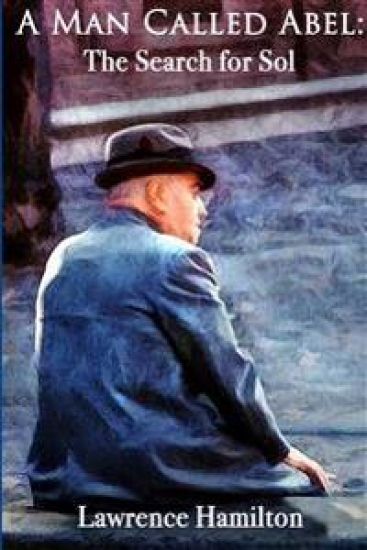
Abel Goldstein never knew his father and never wanted to. But when his young daughters ask to learn more about their family history, he moves to find Sol, the man who abandoned Abel's pregnant mother 44 years ago. Abel's search couldn't begin at a more inconvenient time. His inner strength and courage are severely challenged as he guards his family from an unknown antagonist who is determined to destroy him.
Freedom Is Power

Freedom Is Power

Lawrence Hamilton

Cambridge University Press
2015
pokkari
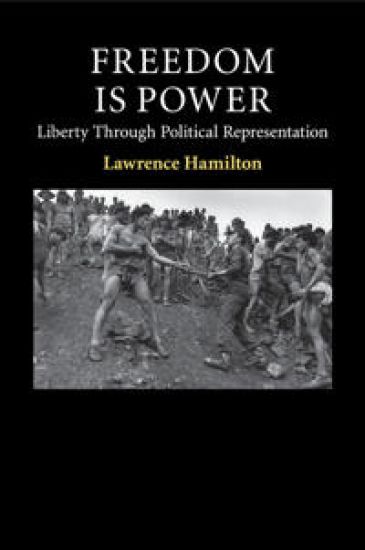
Using the history of political thought and real-world political contexts, including South Africa and the recent global financial crisis, this book argues that power is integral to freedom. It demonstrates how freedom depends upon power, and contends that liberty for all citizens is best maintained if conceived as power through political representation. Against those who de-politicise freedom through a romantic conception of 'the people' and faith in supposedly independent judicial and political institutions, Lawrence Hamilton argues that real modern freedom can only be achieved through representative and participative mechanisms that limit domination and empower classes and groups who become disempowered in the conflicts that inevitably pervade politics. This is a sophisticated contribution to contemporary political theory that will be of interest to scholars and students of history, politics, philosophy, economics, sociology, development studies and Southern African studies.
Freedom Is Power

Freedom Is Power

Lawrence Hamilton

Cambridge University Press
2014
sidottu
Using the history of political thought and real-world political contexts, including South Africa and the recent global financial crisis, this book argues that power is integral to freedom. It demonstrates how freedom depends upon power, and contends that liberty for all citizens is best maintained if conceived as power through political representation. Against those who de-politicise freedom through a romantic conception of 'the people' and faith in supposedly independent judicial and political institutions, Lawrence Hamilton argues that real modern freedom can only be achieved through representative and participative mechanisms that limit domination and empower classes and groups who become disempowered in the conflicts that inevitably pervade politics. This is a sophisticated contribution to contemporary political theory that will be of interest to scholars and students of history, politics, philosophy, economics, sociology, development studies and Southern African studies.
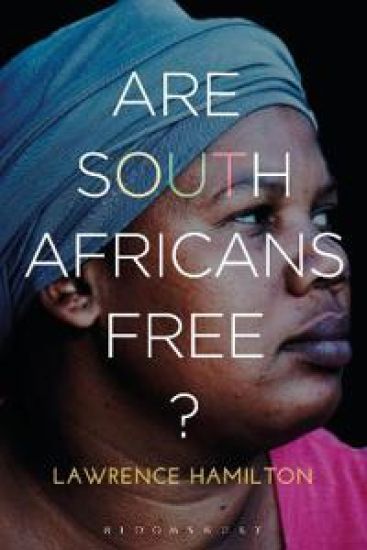
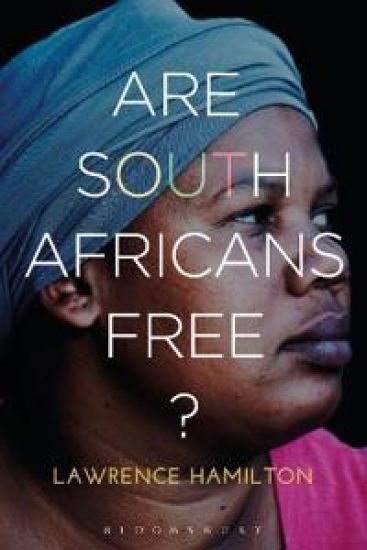
Are South Africans Free?

Are South Africans Free?

Lawrence Hamilton

Bloomsbury Academic
2014
sidottu
This book is available as open access through the Bloomsbury Open Access programme and is available on www.bloomsburycollections.com. Despite South Africa's successful transition to democracy and lauded constitution, political freedom for the majority of South Africans remains elusive. The poor and unemployed majority are poorly represented and lack power and thus freedom. Under these conditions, the freedom of the privileged minority is also seriously impaired due to the costs of maintaining their relative security and well-being. Lawrence Hamilton is an internationally-known political theorist, who has spent ten years teaching in South African universities. In this unique book he brings ideas - political and philosophical - to the fore to understand a contemporary political conundrum. He outlines the persistent, unresolved problems characterizing contemporary South Africa: poverty and quality of life statistics that are appalling for a middle-income country, levels of inequality that make South Africa one of the most unequal places in the world, skewed economic and political representation that reproduces elites rather than generating opportunities for all and an electoral system that implements the idea of proportional representation so literally that it undermines meaningful representation. Are South Africans Free? aims not only to explain the current state of South Africa but to provide positive new directions and suggestions for institutional change. Hamilton argues that freedom as power in South Africa does not depend on good will, charity or duty, and it goes beyond the complete realization of the political and civil liberties currently safeguarded in its constitution. Such change will depend on courageous leadership, active citizenship, new forms of representation and a macroeconomic policy that offers radical redistribution of actual and potential wealth.
Are South Africans Free?

Are South Africans Free?

Lawrence Hamilton

Bloomsbury Academic
2014
nidottu
This book is available as open access through the Bloomsbury Open Access programme and is available on www.bloomsburycollections.com. Despite South Africa's successful transition to democracy and lauded constitution, political freedom for the majority of South Africans remains elusive. The poor and unemployed majority are poorly represented and lack power and thus freedom. Under these conditions, the freedom of the privileged minority is also seriously impaired due to the costs of maintaining their relative security and well-being. Lawrence Hamilton is an internationally-known political theorist, who has spent ten years teaching in South African universities. In this unique book he brings ideas - political and philosophical - to the fore to understand a contemporary political conundrum. He outlines the persistent, unresolved problems characterizing contemporary South Africa: poverty and quality of life statistics that are appalling for a middle-income country, levels of inequality that make South Africa one of the most unequal places in the world, skewed economic and political representation that reproduces elites rather than generating opportunities for all and an electoral system that implements the idea of proportional representation so literally that it undermines meaningful representation. Are South Africans Free? aims not only to explain the current state of South Africa but to provide positive new directions and suggestions for institutional change. Hamilton argues that freedom as power in South Africa does not depend on good will, charity or duty, and it goes beyond the complete realization of the political and civil liberties currently safeguarded in its constitution. Such change will depend on courageous leadership, active citizenship, new forms of representation and a macroeconomic policy that offers radical redistribution of actual and potential wealth.