
Kirjojen hintavertailu – 12 903 724 kirjaa ja 27 kauppaa

Kirjailija

Leah D. Hewitt

Kirjat ja teokset yhdessä paikassa: 2 kirjaa, julkaisuja vuosilta 1992–1997, suosituimpiin kuuluu Autobiographical Tightropes. Vertaile teosten hintoja ja tarkista saatavuus suomalaisista kirjakaupoista.

2 kirjaa

Kirjojen julkaisuvuodet: 1992–1997.

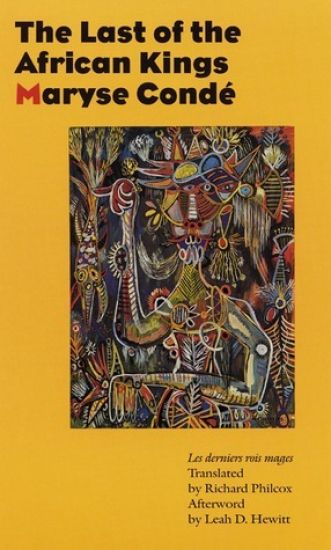
The Last of the African Kings

The Last of the African Kings

Maryse Condé; Leah D. Hewitt

University of Nebraska Press
1997
pokkari
The Last of the African Kings follows the wayward fortunes of a noble African family. It begins with the regal Béhanzin, an African king who opposed French colonialism and was exiled to distant Martinique. In the course of this brilliant novel, Maryse Condé tells of Béhanzin's scattered offspring and their lives in the Caribbean and the United States. A book made up of many characters and countless stories, The Last of the African Kings skillfully intertwines the themes of exile, lost origins, memory, and hope. It is set mainly in the Americas, from the Caribbean to modern-day South Carolina, yet Africa hovers always in the background.
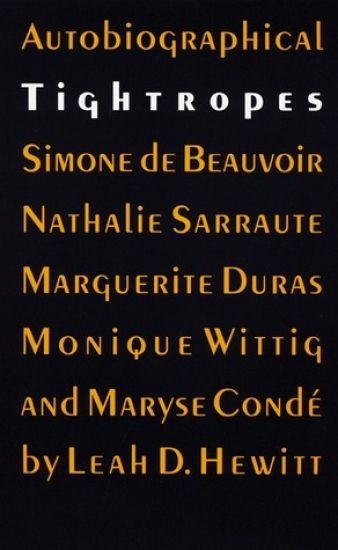
Autobiographical Tightropes

Autobiographical Tightropes

Leah D. Hewitt

University of Nebraska Press
1992
pokkari
"In order to write" said Simone de Beauvoir, "the first essential condition is that reality can no longer be taken for granted." She and four other French women writers of the second half of the twentieth century—Nathalie Sarraute, Marguerite Duras, Monique Wittig, and Maryse Condé—illustrate that producing autobiography is like performing a tightrope act on the slippery line between fact and fiction. Autobiographical Tightropes emphasizes the tension in the works of these major writers as they move in and out of "experience" and "literature," violating the neat boundaries between genres and confusing the distinctions between remembering and creating. Focusing on selected works, Leah D. Hewitt for the first time anywhere explores the connections among the authors. In doing so she shows how contemporary women's autobiography in France links with feminist issues, literary tradition and trends, and postmodern theories of writing. In light of these theories Hewitt offers a new reading of de Beauvoir's memoirs and reveals how her attempt to represent the past faithfully is undone by irony, by literary and "feminine" detours. Other analysts of Nathalie Sarraute's writing have dwelt mainly on formal considerations of the New Novel, but Hewitt exposes a repressed, forbidden feminine aspect in her literary innovations. Unlike Sarraute, Duras cannot be connected with just one literary movement, political stance, style, or kind of feminism because her writing, largely autobiographical, is marked by chameleon like transformations. The chapters on Wittig and Condé show how, within the bounds of feminism, lesbians and women of color challenge the individualistic premises of autobiography. Hewitt demonstrates that, despite vast differences among these five writers, all of them reveal in their autobiographical works the self's need of a fictive other.