
Kirjojen hintavertailu – 12 903 725 kirjaa ja 27 kauppaa

Kirjailija

Leif Rosenberger

Kirjat ja teokset yhdessä paikassa: 3 kirjaa, julkaisuja vuosilta 2015–2021, suosituimpiin kuuluu Economic Statecraft and US Foreign Policy. Vertaile teosten hintoja ja tarkista saatavuus suomalaisista kirjakaupoista.

3 kirjaa

Kirjojen julkaisuvuodet: 2015–2021.

Economic Statecraft and US Foreign Policy

Economic Statecraft and US Foreign Policy

Leif Rosenberger

TAYLOR FRANCIS LTD
2021
nidottu
Explaining the connection between economics and violent extremism, this book argues that American foreign policy must be rebalanced with a greater emphasis on social inclusion and shared prosperity in order to mitigate the root causes of conflict. Rosenberger argues that economic coercion has usually proven counterproductive, and that a militarized American foreign policy too often results in frustration and strategic failure. He analyses this theory through a number of case studies, from the Treaty of Versailles to the more recent issues of Israel in Gaza, US sanctions against Iran, the US backed, Saudi-led boycott of Qatar and Donald Trump’s trade war against China. He concludes that the economic logic of social inclusion and shared prosperity demonstrated in Jean Monnet’s European Coal and Steel Community would be a more successful strategy in reducing the demand for violence in the civil wars in Afghanistan, Iraq, Yemen and Syria. This book will be of particular relevance for courses on American Foreign Policy, International Relations and International Political Economy and seminars on the Near East and South Asia. Professional economists, diplomats and military officers in America and in the Near East and South Asia will also find the argument useful.
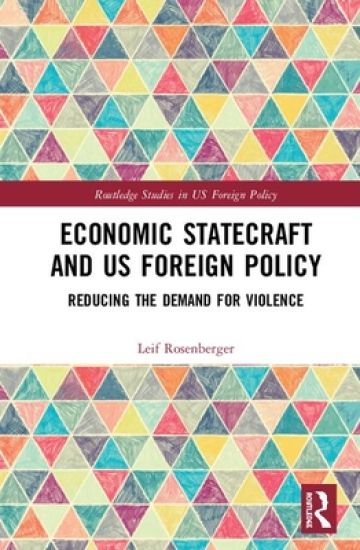
Economic Statecraft and US Foreign Policy
Explaining the connection between economics and violent extremism, this book argues that American foreign policy must be rebalanced with a greater emphasis on social inclusion and shared prosperity in order to mitigate the root causes of conflict. Rosenberger argues that economic coercion has usually proven counterproductive, and that a militarized American foreign policy too often results in frustration and strategic failure. He analyses this theory through a number of case studies, from the Treaty of Versailles to the more recent issues of Israel in Gaza, US sanctions against Iran, the US backed, Saudi-led boycott of Qatar and Donald Trump’s trade war against China. He concludes that the economic logic of social inclusion and shared prosperity demonstrated in Jean Monnet’s European Coal and Steel Community would be a more successful strategy in reducing the demand for violence in the civil wars in Afghanistan, Iraq, Yemen and Syria. This book will be of particular relevance for courses on American Foreign Policy, International Relations and International Political Economy and seminars on the Near East and South Asia. Professional economists, diplomats and military officers in America and in the Near East and South Asia will also find the argument useful.
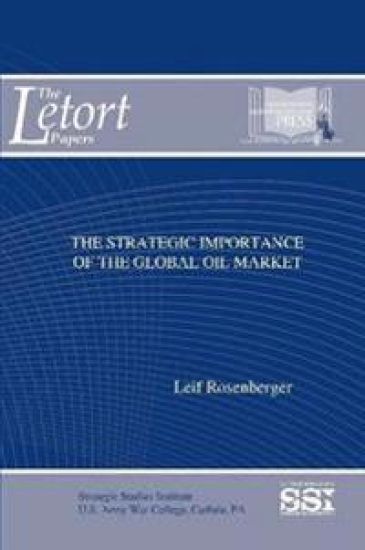
The Strategic Importance of the Global Oil Market

The Strategic Importance of the Global Oil Market

Leif Rosenberger; Strategic Studies Institute; U.S. Army War College

Lulu.com
2015
nidottu
In the past year, oil prices have plummeted. At first glance, the U. S. economy as a whole appears to be a big winner. Newspaper headlines talk about "America's oil independence." In Carlisle, PA, we can gas up our cars in late-March 2015 for less than $2.50 a gallon. That means more money in our pockets for consumer goods. Therefore, consumers are big winners and are rejoicing. Is it time for a victory parade? Not so fast, says Dr. Leif Rosenberger, the Chief Economist at U. S. Central Command. As someone who has spent 3 1/2 decades connecting economics and security as a scholar, educator, and now a practitioner in the U. S. Government, Dr. Rosenberger reminds us that, in economics and international business, appearances can be deceiving. He points out that shale oil producers in the United States are learning a bitter lesson about the cyclical nature of the international oil market. The more they produce, the more oil prices fall and the more their profits get squeezed.