
Kirjailija
Lelia Green
Kirjat ja teokset yhdessä paikassa: 7 kirjaa, julkaisuja vuosilta 1994–2026, suosituimpiin kuuluu Digital Child. Vertaile teosten hintoja ja tarkista saatavuus suomalaisista kirjakaupoista.
7 kirjaa
Kirjojen julkaisuvuodet: 1994–2026.
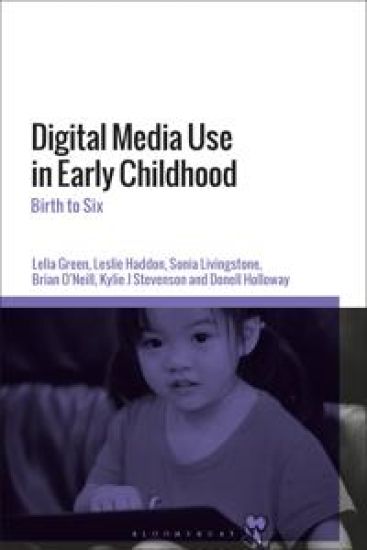
Digital Media Use in Early Childhood
Lelia Green; Leslie Haddon; Sonia Livingstone; Brian O’Neill; Kylie Stevenson; Donell Holloway
BLOOMSBURY PUBLISHING PLC
2026
nidottu
The easy interface of touchscreen technologies like tablets and smartphones has enabled children to access the digital world from a very young age. But while some commentators are enthusiastic about how this can open a new world for fun, learning, and developing digital skills, others see the dangers of yet more screens, inauthentic play, and time spent isolated with electronic babysitters that detract from interaction with parents and learning social skills. Taking five as the age when children transition into formal education, this book draws on a three-year research project examining the realities of under six-year-olds’ experiences of these technologies in the UK and Australia. With a theoretical context including Vygotsky, Bruner, Bronfenbrenner and Flewitt, the book examines how parents of young children evaluate the opportunities and risks of children’s digital media use in the context of other significant influences such as children’s time with grandparents, early childhood care and education. Drawing on in-depth interviews with 22 families, and rich ethnographic data from observation and exchanges with their 29 children, aged four months to five years, the book reveals how digital technologies complement and challenge important aspects of daily life for infants, toddlers and preschoolers.
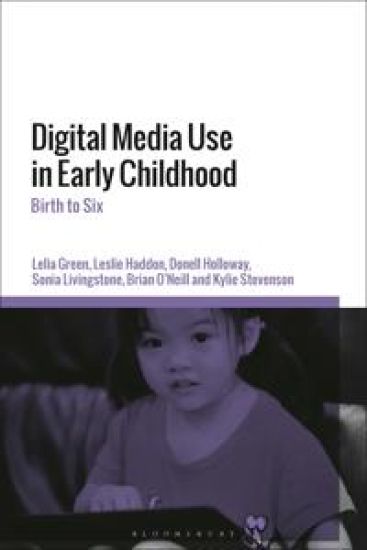
Digital Media Use in Early Childhood
Lelia Green; Leslie Haddon; Sonia Livingstone; Brian O’Neill; Kylie Stevenson; Donell Holloway
BLOOMSBURY PUBLISHING PLC
2024
sidottu
The easy interface of touchscreen technologies like tablets and smartphones has enabled children to access the digital world from a very young age. But while some commentators are enthusiastic about how this can open a new world for fun, learning, and developing digital skills, others see the dangers of yet more screens, inauthentic play, and time spent isolated with electronic babysitters that detract from interaction with parents and learning social skills. Taking five as the age when children transition into formal education, this book draws on a three-year research project examining the realities of under six-year-olds’ experiences of these technologies in the UK and Australia. With a theoretical context including Vygotsky, Bruner, Bronfenbrenner and Flewitt, the book examines how parents of young children evaluate the opportunities and risks of children’s digital media use in the context of other significant influences such as children’s time with grandparents, early childhood care and education. Drawing on in-depth interviews with 22 families, and rich ethnographic data from observation and exchanges with their 29 children, aged four months to five years, the book reveals how digital technologies complement and challenge important aspects of daily life for infants, toddlers and preschoolers.
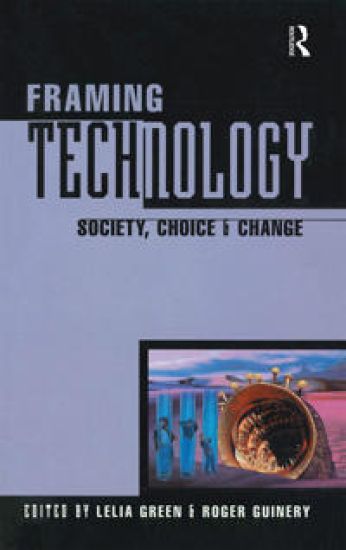
Framing Technology uses an interdisciplinary approach to explore some of the key issues in technology today, including virtual reality, gender, health, the environment, regulation, the information society, surveillance and globalisation.
Life without the internet, a very new technology, seems almost unimaginable for most people in western nations. Today the internet is intrinsic to media and communications, entertainment, politics, defence, business, banking, education and administrative systems as well as to social interaction. The Internet disentangles this extraordinarily complex information and communication technology from its place in our daily lives, allowing it to be examined anew. Technology has historically been shaped by governmental, military and commercial requirements, but the development of the internet is increasingly driven by its users. YouTube, Facebook, Twitter, Flickr and many other emerging applications are shifting the way we express ourselves, communicate with our friends, and even engage with global politics. At the same time three-quarters of the world's population remain effectively excluded from the internet. Packed with case studies drawn from around the world, The Internet presents a clear and up-to-date introduction to the social, cultural, technological and political worlds this new media form is creating.
Life without the internet, a very new technology, seems almost unimaginable for most people in western nations. Today the internet is intrinsic to media and communications, entertainment, politics, defence, business, banking, education and administrative systems as well as to social interaction. The Internet disentangles this extraordinarily complex information and communication technology from its place in our daily lives, allowing it to be examined anew. Technology has historically been shaped by governmental, military and commercial requirements, but the development of the internet is increasingly driven by its users. YouTube, Facebook, Twitter, Flickr and many other emerging applications are shifting the way we express ourselves, communicate with our friends, and even engage with global politics. At the same time three-quarters of the world's population remain effectively excluded from the internet. Packed with case studies drawn from around the world, The Internet presents a clear and up-to-date introduction to the social, cultural, technological and political worlds this new media form is creating.
'I'm sure there are lots of people who think machines descend from the sky ready-made, keen to plug themselves in and take over. Others assume technology evolves, like Darwin's creatures, through a force of its own. These distinguished writers present ideas on where our technological world really comes from and what a difference it makes to people.' - Robyn Williams, Science Unit, ABC RadioFraming Technology Does cybersex have side effects? Is technology a masculine culture? Who lords it over the global village? Technology is the bedrock of our information society, but public debates on technology tend to be conducted by experts and to concentrate on the microchip and employment. Framing Technology reframes the discussion. It argues that technology ranges from language to a transnational corporation, and that we should all share in technology choice. Framing Technology uses an interdisciplinary approach to explore some of the key issues in technology today, including virtual reality, gender, health, the environment, regulation, the information society, surveillance and globalisation. The contributors include some of the best thinkers on technology in Australia: Judy Wajcman, Albert Moran, Susan Oliver, Trevor Barr, Julianne Schultz and Dick Bryan.