

Kirjailija
Len Bass
Kirjat ja teokset yhdessä paikassa: 5 kirjaa, julkaisuja vuosilta 2010–2026, suosituimpiin kuuluu Entwicklung von KI-Systemen. Vertaile teosten hintoja ja tarkista saatavuus suomalaisista kirjakaupoista.
5 kirjaa
Kirjojen julkaisuvuodet: 2010–2026.
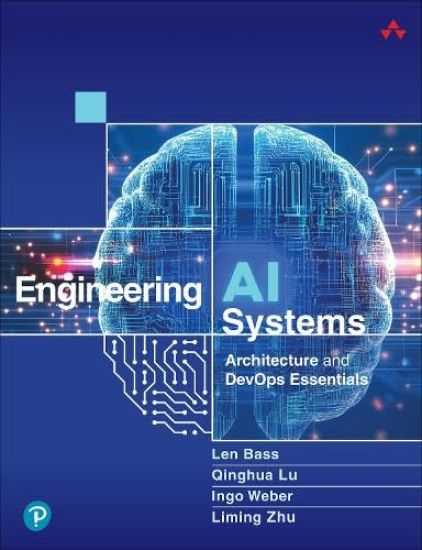
Engineering AI Systems
Len Bass; Qinghua Lu; Ingo Weber; Liming Zhu
PEARSON EDUCATION (US)
2025
nidottu
Halvin toimitettuna 40,70 €
Master the Engineering of AI Systems: The Essential Guide for Architects and Developers In today's rapidly evolving world, integrating artificial intelligence (AI) into your systems is no longer optional. Engineering AI Systems: Architecture and DevOps Essentials is a comprehensive guide to mastering the complexities of AI systems engineering. This book combines robust software architecture with cutting-edge DevOps practices to deliver high-quality, reliable, and scalable AI solutions. Experts Len Bass, Qinghua Lu, Ingo Weber, and Liming Zhu demystify the complexities of engineering AI systems, providing practical strategies and tools for seamlessly incorporating AI in your systems. You will gain a comprehensive understanding of the fundamentals of AI and software engineering and how to combine them to create powerful AI systems. Through real-world case studies, the authors illustrate practical applications and successful implementations of AI in small- to medium-sized enterprises across various industries, and offer actionable strategies for designing, building, and operating AI systems that deliver real business value. Lifecycle management of AI models, from data preparation to deployment Best practices in system architecture and DevOps for AI systemsSystem reliability, performance, and security in AI implementationsPrivacy and fairness in AI systems to build trust and achieve complianceEffective monitoring and observability for AI systems to maintain operational excellenceFuture trends in AI engineering to stay ahead of the curve Equip yourself with the tools and understanding to lead your organization's AI initiatives. Whether you are a technical lead, software engineer, or business strategist, this book provides the essential insights you need to successfully engineer AI systems. Register your book for convenient access to downloads, updates, and/or corrections as they become available. See inside book for details.
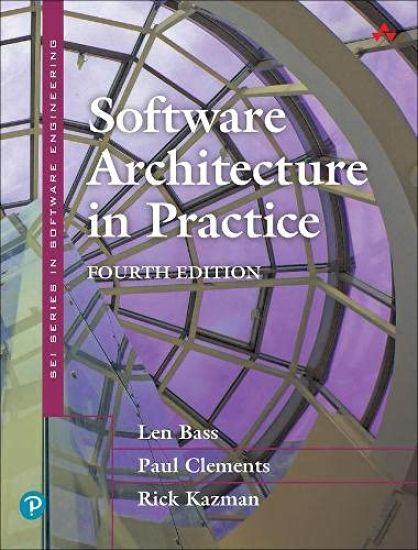
Software Architecture in Practice
Len Bass; Paul Clements; Rick Kazman
Addison Wesley
2021
nidottu
Halvin toimitettuna 51,20 €
The Definitive, Practical, Proven Guide to Architecting Modern Software--Fully Updated with New Content on Mobility, the Cloud, Energy Management, DevOps, Quantum Computing, and More Updated with eleven new chapters, Software Architecture in Practice, Fourth Edition, thoroughly explains what software architecture is, why it's important, and how to design, instantiate, analyze, evolve, and manage it in disciplined and effective ways. Three renowned software architects cover the entire lifecycle, presenting practical guidance, expert methods, and tested models for use in any project, no matter how complex. You'll learn how to use architecture to address accelerating growth in requirements, system size, and abstraction, and to manage emergent quality attributes as systems are dynamically combined in new ways. With insights for utilizing architecture to optimize key quality attributes--including performance, modifiability, security, availability, interoperability, testability, usability, deployability, and more--this guide explains how to manage and refine existing architectures, transform them to solve new problems, and build reusable architectures that become strategic business assets. Discover how architecture influences (and is influenced by) technical environments, project lifecycles, business profiles, and your own practicesLeverage proven patterns, interfaces, and practices for optimizing quality through architectureArchitect for mobility, the cloud, machine learning, and quantum computingDesign for increasingly crucial attributes such as energy efficiency and safetyScale systems by discovering architecturally significant influences, using DevOps and deployment pipelines, and managing architecture debtUnderstand architecture's role in the organization, so you can deliver more value Register your book for convenient access to downloads, updates, and/or corrections as they become available. See inside book for details.
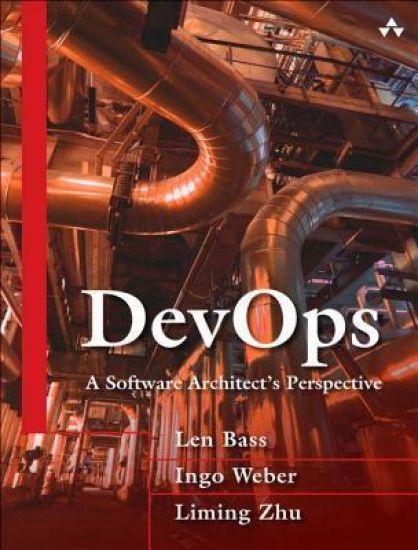
The First Complete Guide to DevOps for Software Architects DevOps promises to accelerate the release of new software features and improve monitoring of systems in production, but its crucial implications for software architects and architecture are often ignored. In DevOps: A Software Architect’s Perspective, three leading architects address these issues head-on. The authors review decisions software architects must make in order to achieve DevOps’ goals and clarify how other DevOps participants are likely to impact the architect’s work. They also provide the organizational, technical, and operational context needed to deploy DevOps more efficiently, and review DevOps’ impact on each development phase. The authors address cross-cutting concerns that link multiple functions, offering practical insights into compliance, performance, reliability, repeatability, and security. This guide demonstrates the authors’ ideas in action with three real-world case studies: datacenter replication for business continuity, management of a continuous deployment pipeline, and migration to a microservice architecture. Comprehensive coverage includes • Why DevOps can require major changes in both system architecture and IT roles • How virtualization and the cloud can enable DevOps practices • Integrating operations and its service lifecycle into DevOps • Designing new systems to work well with DevOps practices • Integrating DevOps with agile methods and TDD • Handling failure detection, upgrade planning, and other key issues • Managing consistency issues arising from DevOps’ independent deployment models • Integrating security controls, roles, and audits into DevOps • Preparing a business plan for DevOps adoption, rollout, and measurement
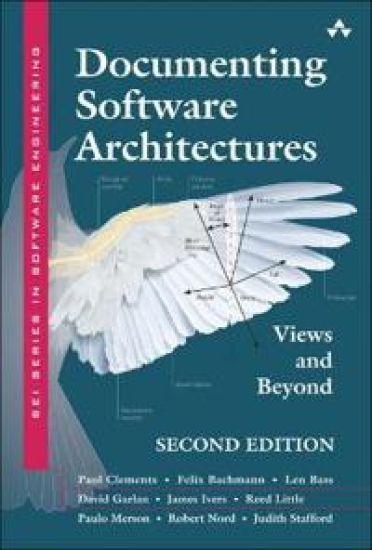
Documenting Software Architectures
Paul Clements; Felix Bachmann; Len Bass; David Garlan; James Ivers; Reed Little; Paulo Merson; Robert Nord; Judith Stafford
Addison-Wesley Educational Publishers Inc
2010
sidottu
Halvin toimitettuna 86,50 €
“This new edition is brighter, shinier, more complete, more pragmatic, more focused than the previous one, and I wouldn't have thought it possible to improve on the original. As the field of software architecture has grown over these past decades, there is much more to be said, much more that we know, and much more that we can reflect upon of what's worked and what hasn't—and the authors here do all that, and more.” —From the Foreword by Grady Booch, IBM Fellow Software architecture—the conceptual glue that holds every phase of a project together for its many stakeholders—is widely recognized as a critical element in modern software development. Practitioners have increasingly discovered that close attention to a software system's architecture pays valuable dividends. Without an architecture that is appropriate for the problem being solved, a project will stumble along or, most likely, fail. Even with a superb architecture, if that architecture is not well understood or well communicated the project is unlikely to succeed. Documenting Software Architectures, Second Edition, provides the most complete and current guidance, independent of language or notation, on how to capture an architecture in a commonly understandable form. Drawing on their extensive experience, the authors first help you decide what information to document, and then, with guidelines and examples (in various notations, including UML), show you how to express an architecture so that others can successfully build, use, and maintain a system from it. The book features rules for sound documentation, the goals and strategies of documentation, architectural views and styles, documentation for software interfaces and software behavior, and templates for capturing and organizing information to generate a coherent package. New and improved in this second edition: Coverage of architectural styles such as service-oriented architectures, multi-tier architectures, and data modelsGuidance for documentation in an Agile development environmentDeeper treatment of documentation of rationale, reflecting best industrial practicesImproved templates, reflecting years of use and feedback, and more documentation layout optionsA new, comprehensive example (available online), featuring documentation of a Web-based service-oriented systemReference guides for three important architecture documentation languages: UML, AADL, and SySML