Kirjojen hintavertailu – 12 903 725 kirjaa ja 27 kauppaa

Kirjailija

Lena Rethel

Kirjat ja teokset yhdessä paikassa: 3 kirjaa, julkaisuja vuosilta 2020–2022, suosituimpiin kuuluu I-PEEL: The International Political Economy of Everyday Life. Vertaile teosten hintoja ja tarkista saatavuus suomalaisista kirjakaupoista.

3 kirjaa

Kirjojen julkaisuvuodet: 2020–2022.

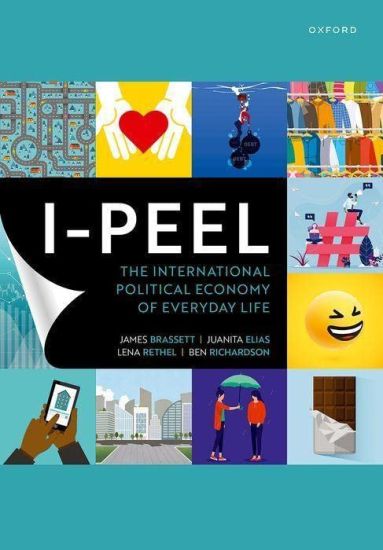
I-PEEL: The International Political Economy of Everyday Life

I-PEEL: The International Political Economy of Everyday Life

James Brassett; Juanita Elias; Lena Rethel; Ben Richardson

Oxford University Press
2022
nidottu
- Do we work for social media? - Why do we go into debt? - How is desire manufactured in fast fashion? - How are our diets governed? - Who owns what in the sharing economy? I-PEEL: The International Political Economy of Everyday Life provides a new introduction to the field of IPE by locating it in our daily experiences. By using topics such as social media, debt, food, and clothes as thematic entry points, this textbook shows how concepts from IPE can be used to understand and question the world around us. Eight core chapters each start with a discussion of an everyday object or practice linked to that topic, including social media influencing, student debt, chocolate, and fast fashion. From there the chapters open out to discuss broader questions that speak to the core themes of IPE and its study of power, wealth, and global capitalism. Each chapter ends with a pair of learning activities, such as creating your own meme (chapter 8, Humour), to help apply what you have read. These are accompanied by student-voice podcasts, in which current IPE students discuss how they approached the activity. Developed by the creators of the popular teaching tool www.i-peel.org: I-PEEL: The International Political Economy of Everyday Life is a ground-breaking, exciting, and engaging new approach to IPE that places you at the centre of knowledge production. The first edition includes a wealth of embedded digital resources, which are accessible through the enhanced e-book, and are viewable in a university's VLE. The online student resources include: - Videos from the authors introducing the I-PEEL approach - Quickfire quiz questions - Author chapter-introduction podcasts - Reflective multiple-choice questions - Support for tackling the chapter's learning activities - Student reflection podcasts - Web links to relevant blogs, debates, and videos - An interactive flashcard glossary The online digital lecturer resources include: - A guide to the I-PEEL approach - Customisable PowerPoint slides
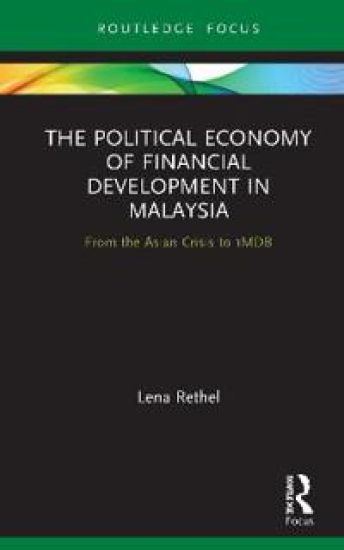
The Political Economy of Financial Development in Malaysia
Current inquiries into the political economy of financial policymaking in Malaysia tend to focus on the high-level drama of crisis politics or simply point to the limited impact of post-crisis financial reforms, given that politico-business relations have remained close. In so doing, pundits ignore a number of intriguing questions: what is the relationship between financial development and financialisation and how has it played out in the Malaysian context? And more generally: how can a country like Malaysia become significantly more financially developed, yet fail to emancipate the financial system from political control; a core element of the financial development discourse? To unravel the complexities of this puzzle, this book subjects the history and contemporary practices of financial policymaking in Malaysia to scrutiny. It argues that to understand financial development in Malaysia, its progress and reversals, it is important to conceptualise it as a political, rather than a merely technical process. In so doing, the book echoes a more profound concern in the political economy literature, namely the evolving relationship between states and markets, and the supposed retreat or reassertion of the state at a time of increasing (financial) globalisation. The book can generate further insights into the evolving role of the state with regard to broader processes of development and marketisation, as they relate specifically to finance.
The Political Economy of Financial Development in Malaysia
Current inquiries into the political economy of financial policymaking in Malaysia tend to focus on the high-level drama of crisis politics or simply point to the limited impact of post-crisis financial reforms, given that politico-business relations have remained close. In so doing, pundits ignore a number of intriguing questions: what is the relationship between financial development and financialisation and how has it played out in the Malaysian context? And more generally: how can a country like Malaysia become significantly more financially developed, yet fail to emancipate the financial system from political control; a core element of the financial development discourse? To unravel the complexities of this puzzle, this book subjects the history and contemporary practices of financial policymaking in Malaysia to scrutiny. It argues that to understand financial development in Malaysia, its progress and reversals, it is important to conceptualise it as a political, rather than a merely technical process. In so doing, the book echoes a more profound concern in the political economy literature, namely the evolving relationship between states and markets, and the supposed retreat or reassertion of the state at a time of increasing (financial) globalisation. The book can generate further insights into the evolving role of the state with regard to broader processes of development and marketisation, as they relate specifically to finance.