
Kirjailija
Lena-Sofia Tiemeyer
Kirjat ja teokset yhdessä paikassa: 12 kirjaa, julkaisuja vuosilta 2006–2026, suosituimpiin kuuluu For the Comfort of Zion. Vertaile teosten hintoja ja tarkista saatavuus suomalaisista kirjakaupoista.
12 kirjaa
Kirjojen julkaisuvuodet: 2006–2026.

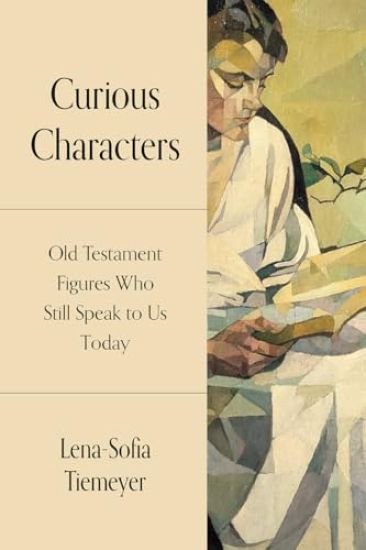
Mina bibliska vänner och jag : på besök i Gamla testamentets berättarvärld
Lena-Sofia Tiemeyer
Spricka förlag
2024
nidottu
Bibeln innehåller hundratals berättelser. De skildrar hur Gud vandrar med sitt folk genom tider av krig och fred, välstånd och nöd, och de vittnar om hur människorna i Israel agerar mot varandra. Dessa berättelser väcker känslor i oss: vi fascineras av olika människoöden, vi förfäras av prövningar de genomlider och vi gläds med dem när saker går väl. Vissa bibelpersoner väcker intuitivt vår empati och vi hejar på dem i med och motgång, medan andra förblir främlingar som vi inte riktigt kommer nära. Denna bok hjälper oss att lära känna nio personer i Gamla testamentet bättre: Noa, Sara, Josef, Rut, Noomi, Saul, Jonatan, Mikal och Jona. I dialog med judiska, kristna och sekulära romaner, dikter och teaterstycken visar Lena-Sofia Tiemeyer hur vi kan nå en djupare förståelse för Bibelns berättelser. Dessa litterära verk belyser, ifrågasätter och utmanar texter som vi kanske läst flera gånger förut. De hjälper oss att bli mer nyanserade bibelläsare, få en berikad förståelse av Bibeln och helt enkelt njuta av privilegiet att få träda in i bibelberättelsernas annorlunda värld. Lena-Sofia Tiemeyer är professor i Gamla testamentets exegetik vid Akademi för ledarskap och teologi i Örebro och affilierad forskare vid fakulteten för teologi och religion, University of Pretoria i Sydafrika. Hon är utbildad vid Hebreiska Universitetet i Jerusalem och Oxfords universitet. Tiemeyer har skrivit många böcker om den profetiska litteraturen i Gamla testamentet (Jesaja, Jona och Sakarja). Hennes nuvarande forskningsfokus är Samuelsböckerna och Bibeln i modern litteratur. Hon är även ansvarig för flera akademiska tidskrifter och monografiserier samt en flitigt anlitad föreläsare världen över.
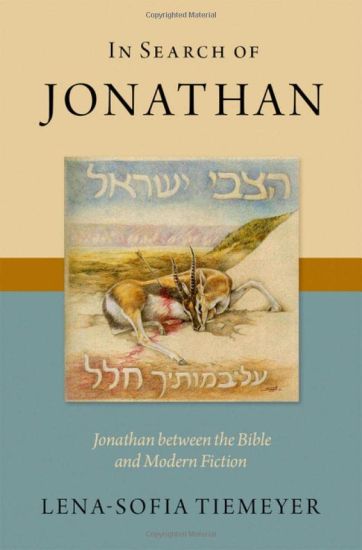
In both modern fiction and the biblical texts of 1 Samuel 13-2 Samuel 1, the character of Jonathan serves as a key literary and theological figure. Throughout In Search of Jonathan, Lena-Sofia Tiemeyer interprets Jonathan's portrayal in traditional biblical literature and modern fiction. Each chapter provides first an analysis of Jonathan's characterization in 1-2 Samuel, followed by an examination of the depictions of Jonathan in modern fiction. Together, biblical and modern literature demonstrate how fictional retellings deepen and challenge the ways that scholars interpret Jonathan's character. Throughout the volume, Tiemeyer offers an interpretation of Jonathan as a plausible and psychologically consistent character while grappling with questions posed by his actions in the text. Tiemeyer asks, what kind of man is Jonathan who shows initiative and daring leadership ability, but who is also willing to lay down his crown before the usurper David's feet in humble submission? What kind of son is Jonathan who rebels against his father and takes David's part in the conflict between him and Saul, yet remains loyal to Saul until the bitter end on Mount Gilboa? To answer these questions, Tiemeyer considers depictions of Jonathan in modern fiction. Modern approaches, as Tiemeyer discusses, illuminate dormant yet integral aspects of the biblical texts. These modern retellings highlight, transform, and subvert the biblical portrayal of Jonathan. Posing these questions to the reader and other biblical scholars, Tiemeyer challenges the ways that scholars perceive Jonathan and his portrayals across biblical and modern literature.
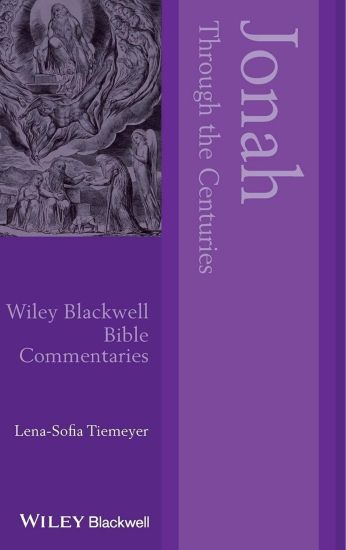
A meticulous exploration of the reception history of Jonah in all its facets Jonah through the Centuries is a systematic examination of the reception history of the book of Jonah, long-recognized for its numerous theological implications and diverse interpretations. The first book of its kind written in English, this singular volume provides a lucid and coherent commentary on the most influential re-readings of Jonah in Jewish, Christian, Muslim, and secular traditions. Author Lena-Sofia Tiemeyer progresses slowly through the book of Jonah verse-by-verse—even word-by-word through key verses such as Jonah 1:1 and 2:1—to offer readers deep insight into the many and multifaceted interpretations of Jonah from early Jewish readings to modern literary retellings. Structured thematically rather than strictly chronologically, the text begins with the earliest interpretation and follows its trendline all the way through to modern times before turning to the next-oldest interpretation. The commentary covers a broad range of retellings in many languages and in various media including commentaries, sermons, prose, poetry, theatrical drama, art, and music. Throughout the text, the author demonstrates how all these retellings ultimately originate within the biblical text itself and highlights how many of the interpretations are fueled and influenced by the interpreter's religious background, cultural assumptions, and their preconceived notions of what the text should say. Discusses how retellings of Jonah ultimately originate within the text's theological or literary ambiguities, choice of words, or syntactical constructionExplains how cross-cultural interchanges between Jews, Christians, and Muslims at different points throughout the centuries influenced the reception of JonahHighlights how several retellings form clusters according to the interpreters' religious affiliationsCovers various interpretations of both often-cited and lesser-known verses from the book of JonahInteracts with an international range of literary retellings of the book of Jonah, offered in English translation Jonah through the Centuries is an invaluable resource for educated clergy, undergraduate and graduate students in both seminaries and universities, scholars and academics, and general readers with interest in the reception of biblical texts in literature, art, and music.
Zechariah’s Vision Report and Its Earliest Interpreters
Lena-Sofia Tiemeyer
T. T.Clark Ltd
2018
nidottu
If Zechariah’s vision report (Zechariah 1.8-6.8) reflects the seer’s visionary experience, how does that impact our understanding of the gradual growth of the text? Lena-Sofia Tiemeyer builds on the work done in her previous book Zechariah and His Visions (Bloomsbury-T&T Clark, 2014), to demonstrate that the visionary material forms the primary textual layer. The oracular texts constitute chronologically later interpretations. Zechariah and/or later authors/editors sought guidance in the earlier vision accounts, and the oracular material reflects these endeavours. Tiemeyer’s investigation is guided by the question: what is the latter material doing with the former? Is it enforcing, contradicting, or adding to it? Using a ratio composed of the difference between the intratexts and intertexts of Zech 1-8, Tiemeyer shows how this ratio is higher in the oracular material than in the visionary material. This difference points to the different origin and the different purpose of the two sets of material. While the earlier vision report draws on images found primarily in other biblical vision reports, the later oracular material has the characteristics of scribal interpretation. By drawing on earlier material, it seeks to anchor its proposed interpretations of the various vision accounts within the Israelite textual tradition. It is clear that the divine oracles were added to give, modify, and specify the meaning of the earlier vision report.
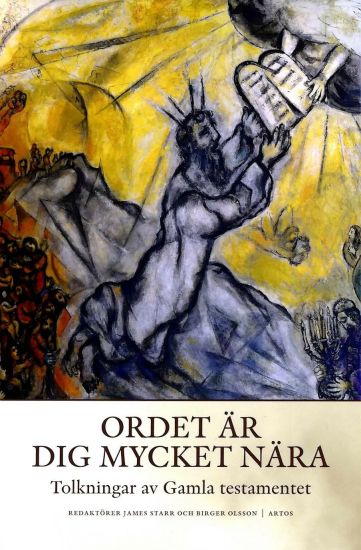
Ordet är dig mycket nära : Tolkningar av Gamla testamentet
James Starr; Birger Olsson; Greger Andersson; Göran Eidevall; Beth E. Elness-Hansson; Josef Forsling; Donald A. Hagner; Camilla von Heijne; Knut Holter; Tord Larsson; Fredrik Lindström; Stig Norin; Staffan Olofsson; Kamilla Skarström Hinojosa; Bernice Sundkvist; Lena-Sofia Tiemeyer; Åke Viberg; David Willgren
Artos Norma Bokförlag
2018
nidottu
Vad sysslar de med, de gammaltestamentliga exegeterna i Sverige? Undervisar förstås, men vad mer? Vad forskar de om? i den här boken får du en del svar på den frågan. Den började som en konferensdag till LarsOlov Erikssons ära, när han efter en lång tjänstgöring slutade som lektor i gamla testamentets exegetik vid Johannelunds teologiska högskola. Därför finns också några internationella forskarbidrag med, men de flesta är svenska. De som har huvudansvar för gamla testamentet vid universitet och högskolor i Sverige fick en fråga om de vill bidra och de flesta svarade ja. Därför presenteras här svensk bibelforskning i dag, begränsat till gamla testamentet. Flera bidrag känner vi igen som traditionella forskningsämnen inom gamla testamentet, analyser av enskilda texter och fördjupningar i enskilda ämnen. Men det finns också mycket nytt. Nya metodiska grepp, hermeneutiska diskussioner, berättelseanalyser, receptionshis toriska framställningar, kulturrelaterade undersökningar m.m. till och med en presentation av kung David i filmens värld och läsningar av Tomas Tranströmers dikter. Resultaten visar på en mycket stor mångfald. Den som vill veta mera om gammaltestamentlig forskning i dag har här en guldgruva. Nya insikter, nya metoder, nya former av exegetik i dag i Sverige.
This guide to Ezra and Nehemiah showcases the latest developments and most up-to-date scholarship on these important texts. Ezra and Nehemiah tell the story of the people in Yehud in the 6th and the 5th centuries BCE. This was a time of economic hardship. The people living in and around Jerusalem were scratching out a living in a land that had been devastated by war. It was also a time of soul searching. Having lost their political autonomy and national identity, the people in Yehud had to find new ways of understanding and shaping their identity. Ezra and Nehemiah provide glimpses of these issues by way of an assortment of narratives, lists, letters, and other types of records. The readers encounter different voices and different opinions. Lena-Sofia Tiemeyer provides an overview of the various texts and the topics, concerns, and disputes that they reflect. The guide also zooms in on select key issues pertaining to the development of the text, its historical background(s), the quest for identity, and its afterlife in Jewish and Christian traditions.
Did Zechariah really see visions? This question cannot be definitely answered, so the idea must remain a hypothesis. Here, Tiemeyer shows that this hypothesis is nonetheless reasonable and instrumental in shedding light on matters in Zechariah's vision report that are otherwise unclear. Tracking through each verse of the text, the key exegetical problems are covered, including the topics of the distinction between visions and dreams, dream classification, conflicting sources of evidence for dream experiences, and rhetorical imagery as opposed to dream experience. Further attention is focused on the transmission of the divine message to Zechariah, with the key question raised of whether a visual or oral impression is described. Tiemeyer’s study further demonstrates that Zech 1-6 depicts a three-tier reality. This description seeks to convey the seer’s visionary experience to his readers. In a trance state, Zechariah communicates with the Interpreting Angel, while also receiving glimpses of a deeper reality known as the ‘visionary world.’
Zechariah’s Vision Report and Its Earliest Interpreters
Lena-Sofia Tiemeyer
T. T.Clark Ltd
2016
sidottu
If Zechariah’s vision report (Zechariah 1.8-6.8) reflects the seer’s visionary experience, how does that impact our understanding of the gradual growth of the text? Lena-Sofia Tiemeyer builds on the work done in her previous book Zechariah and His Visions (Bloomsbury-T&T Clark, 2014), to demonstrate that the visionary material forms the primary textual layer. The oracular texts constitute chronologically later interpretations. Zechariah and/or later authors/editors sought guidance in the earlier vision accounts, and the oracular material reflects these endeavours. Tiemeyer’s investigation is guided by the question: what is the latter material doing with the former? Is it enforcing, contradicting, or adding to it? Using a ratio composed of the difference between the intratexts and intertexts of Zech 1-8, Tiemeyer shows how this ratio is higher in the oracular material than in the visionary material. This difference points to the different origin and the different purpose of the two sets of material. While the earlier vision report draws on images found primarily in other biblical vision reports, the later oracular material has the characteristics of scribal interpretation. By drawing on earlier material, it seeks to anchor its proposed interpretations of the various vision accounts within the Israelite textual tradition. It is clear that the divine oracles were added to give, modify, and specify the meaning of the earlier vision report.
Did Zechariah really see visions? This question cannot be definitely answered, so the idea must remain a hypothesis. Here, Tiemeyer shows that this hypothesis is nonetheless reasonable and instrumental in shedding light on matters in Zechariah's vision report that are otherwise unclear. Tracking through each verse of the text, the key exegetical problems are covered, including the topics of the distinction between visions and dreams, dream classification, conflicting sources of evidence for dream experiences, and rhetorical imagery as opposed to dream experience. Further attention is focused on the transmission of the divine message to Zechariah, with the key question raised of whether a visual or oral impression is described. Tiemeyer’s study further demonstrates that Zech 1-6 depicts a three-tier reality. This description seeks to convey the seer’s visionary experience to his readers. In a trance state, Zechariah communicates with the Interpreting Angel, while also receiving glimpses of a deeper reality known as the ‘visionary world.’
This monograph seeks to determine the geographical provenance of Isaiah 40-55. It reassesses past research pertaining to Babylonian influence and reexamines the claims that all or parts of Isaiah 40-55 reflect the concerns of the exilic community in Babylon. It further challenges the prevalent view that the return of the exiles is of central concern in Isaiah 40-55, and instead proposes that Jerusalem and her imminent restoration is its focal point. It interprets Isaiah 40-55 as a polyvalent text that allows multiple and often contradictory views regarding Jerusalem’s current suffering. The monograph investigates these views, understood to represent the opinons of different segments of the target audience of Isaiah 40-55, with the aim of determining their geographical and theological locations.
Although Judah's prophets and priests often stood united in their concerns for the cult, many prophetic texts from the 6th and the 5th century BC testify to a major disagreement between them as to how to worship God. Lena-Sofia Tiemeyer analyzes the critique of the priests as found in the prophetic texts from that period. In these texts, the prophets accused the priests of misdemeanours in both the cultic and the social realm. The author further explores how the same prophets envisioned a more righteous priesthood. The earlier promises in Isaiah 40-55 form the background of this critique. Much of the post-exilic prophetic literature sought to explain the non-fulfilment of these promises. The author shows that the shared focus of most of these explanations is a culpable priesthood. She further demonstrates a different picture of the post-exilic priesthood from the one often previously assumed. Rather than attributing cultic monolatry to the post-exilic priests, reformed through their suffering following the destruction of Jerusalem, she shows that the emerging new clergy were not so very different from their pre-exilic predecessors. In addition, in contrast to the common assumption that the prophetic literature displays contradictory views, the author stresses the similarity between the thoughts and ideas displayed throughout Isaiah 56-66, Haggai, Zechariah 1-8 and Malachi.