
Kirjailija
Leo Zeilig
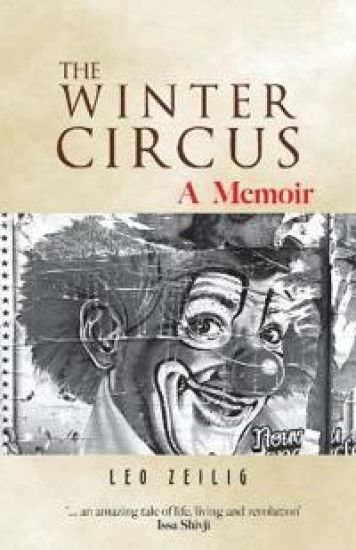
Kirjat ja teokset yhdessä paikassa: 11 kirjaa, julkaisuja vuosilta 2009–2026, suosituimpiin kuuluu The Winter Circus. Vertaile teosten hintoja ja tarkista saatavuus suomalaisista kirjakaupoista.
11 kirjaa
Kirjojen julkaisuvuodet: 2009–2026.
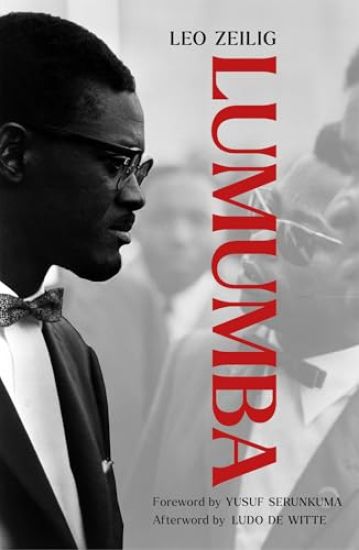
Patrice Lumumba (1926-61) is perhaps the most famous leader of the African independence movement. He became an icon of anti-imperialist struggle after his execution in 1961, when he had been prime minister of the newly liberated Congo for only seven months. As the news came out, his picture was brandished in demonstrations in capitals around the world, along with those of Che Guevara and Mao Zedong. His life and the independence that he sought for the Congo made him a pivotal figure of the 20th century, exposing ongoing Western colonialism and the problematic nature of the independence granted to huge swathes of the globe after 1945. In this book, revised and updated to include new thinking on the Congo crisis and incorporating material recently released from British intelligence archives, Leo Zeilig tells the story of the Congo in the dying days of colonialism, and of Lumumba’s transition from nationalist to revolutionary to international symbol of African liberation.
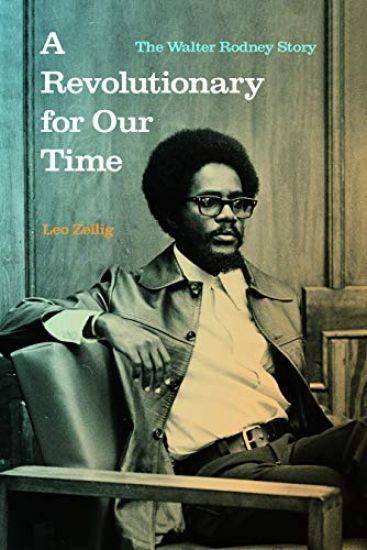
Walter Rodney was a scholar, working class militant, and revolutionary from Guyana. Strongly influenced by Marxist ideas, he remains central to radical Pan-Africanist thought for large numbers of activists’ today. Rodney lived through the failed –though immensely hopeful -socialist experiments in the 1960s and 1970s, in Tanzania and elsewhere. The book critically considers Rodney's contribution to Marxist theory and history, his relationship to dependency theory and the contemporary significance of his work in the context of movements and politics today. The first full-length study of Rodney’s life, this book is an essential introduction to Rodney's work.
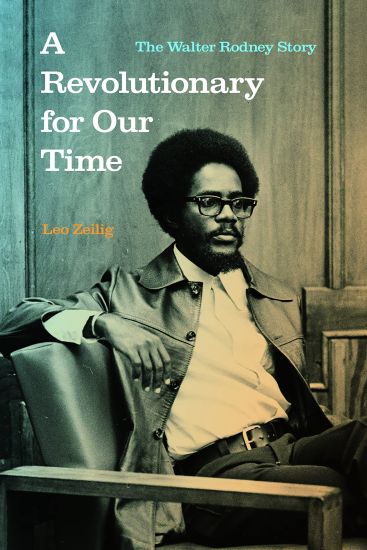
Walter Rodney was a scholar, working class militant, and revolutionary from Guyana. Strongly influenced by Marxist ideas, he remains central to radical Pan-Africanist thought for large numbers of activists’ today. Rodney lived through the failed –though immensely hopeful -socialist experiments in the 1960s and 1970s, in Tanzania and elsewhere. The book critically considers Rodney's contribution to Marxist theory and history, his relationship to dependency theory and the contemporary significance of his work in the context of movements and politics today. The first full-length study of Rodney’s life, this book is an essential introduction to Rodney's work.
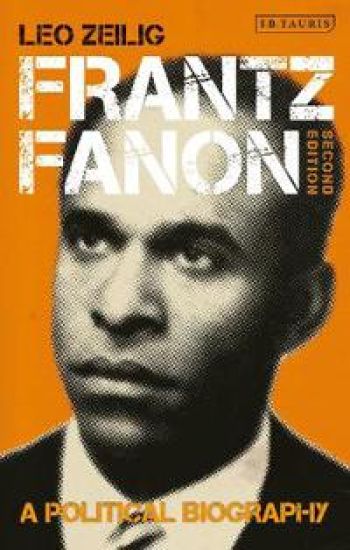
Frantz Fanon was one of the twentieth-century's most influential theorists and activists, whose work fighting against colonialism and imperialism has been an inspiration to today's decolonization and anti-racism movements. As the author of essential texts such as The Wretched of the Earth and Black Skin, White Masks, his impact on today's activists - from Rhodes Must Fall to Black Lives Matter - is indelible. Leo Zeilig here details the fascinating life of Fanon - from his upbringing in Martinique to his wartime experiences and work in Europe and North Africa - and frames his ideas and activism within the greater context of his career as a practising psychiatrist and his politically tumultuous surroundings. The book covers the period of the Algerian War of Independence, national liberation and what Fanon described as 'the curse of independence'. Highlighting Fanon's role as the most influential theorist of anti-colonialism and racial liberation, this book is an essential read for those interested in the roots of the modern day anti-racism and decolonization movements.
As Viktor's marriage crumbles in London he struggles to make sense of the world around him. He is consumed with ideas about how to bring about radical social change. He befriends Tendai, a Zimbabwean cleaner at his university, and joins his struggle for cleaner's living wage. They share revolutionary ideas, spurring each on, and Tendai suggests that Viktor make contact with his friend in Zimbabwe, Anne-Marie. Through her we are introduced to Nelson, Biko, Lenin and other figures named after prominent past revolutionaries. Viktor and Anne-Marie start speaking on Skype, and they soon begin to depend on their companionship and their friendship becomes sexual in nature, despite never having met. Urged on by Tendai, Victor decides to travel to Harare to witness the realities of political struggle - following Frantz Fanon's idea about "an ounce of practice". He and Anne-Marie quickly consummate their relationship. Victorbecomes caught up with a group of men and women involved in an unusual opposition group with devastating, unexpected results. This is a novel about hope, fear, and failure, and how fighting for an all-consuming cause can forge some relationships but ruin others.
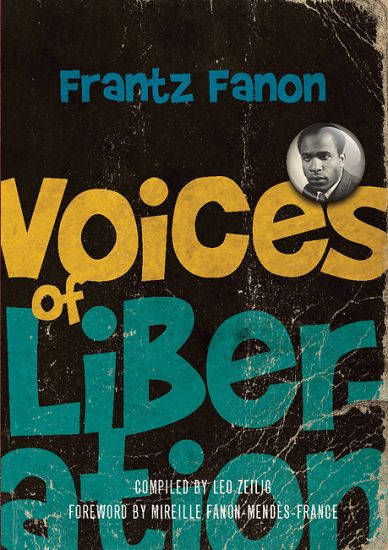
A leading light of the anti-colonial revolts of the 1960s and '70s, Frantz Fanon also prophetically explored the dangers of post-colonial power. Voices of Liberation: Frantz Fanon is a rich exploration of Fanon's life and times, combining interviews with those who fought alongside him with selections from his work. Thisbook givesand giving new insight into the extraordinary life and ideas of one of the twentieth century's most important revolutionaries. Leo Zeilig is a lecturer at the Institute of Commonwealth Studies, University of London; Senior Visiting Fellow, South African Research Chair in Social Change; Faculty of Humanities, University of Johannesburg; and editor of Class Struggle and Resistance in Africa. Mireille Fanon-Mendes-France is the president of the Frantz Fanon Foundation and the daughter of Frantz Fanon.
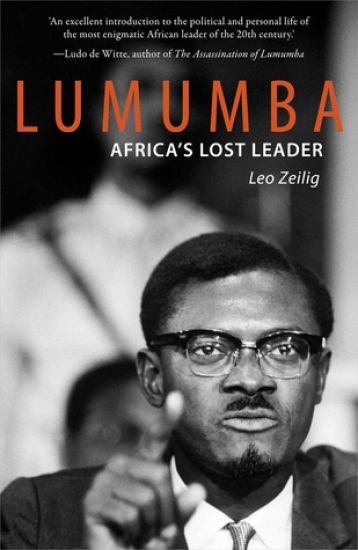
Patrice Lumumba (1925-61) is perhaps the most famous leader of the African independence movement. After his execution in 1961, when he had been prime minister of the newly-liberated Congo for only seven months, he became an icon of anti-imperialist struggle. As the news came out, his picture was brandished in demonstrations in capitals around the world, along with Che Guevara and Mao Zedong. His life and the independence that he sought for the Congo made him a pivotal figure of the 20th century, highlighting ongoing Western colonialism and the problematic nature of the independence granted to huge swathes of the globe after 1945. In this book, revised and updated to include new thinking on the Congo crisis and incorporating material recently released from British intelligence archives, Leo Zeilig tells the story of the Congo in the dying days of colonialism, and of Lumumba's transition from nationalist to revolutionary to international symbol of African liberation.
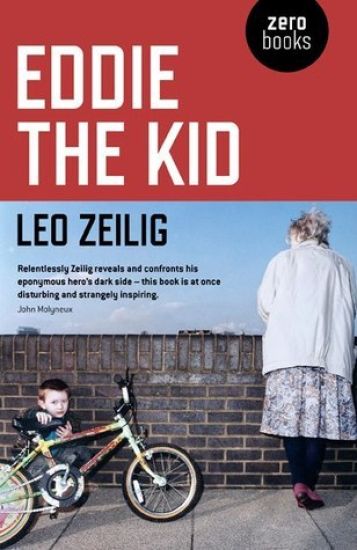
Eddie Bereskin wants to change the world and stop the war, instead his life unravels after he is arrested on a Halloween protest in 2002. An incredible story about loss and hope set in London, Eddie the Kid takes us to the anti-war movement and two generations of activists, where, amid rioting and arrests, the destinies of Eddie and his sister Esther have been shaped.
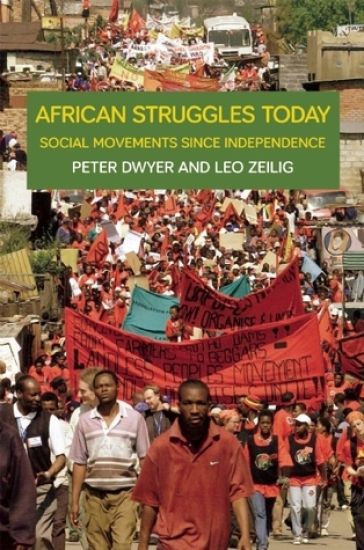
A groundbreaking analysis examining the gains, contradictions and frustrations of 21st century pre-democracy struggles across Southern Africa.
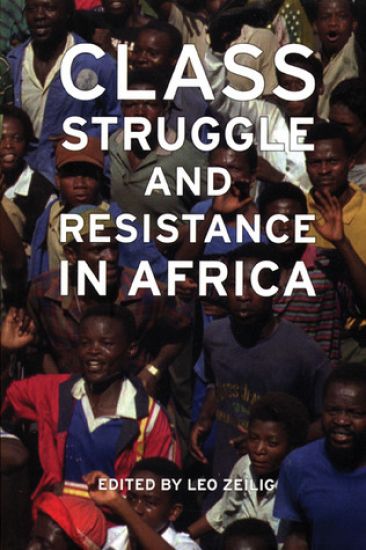
Employing Marxist theory to address the postcolonial problems of several different countries, experts analyse such issues as the renewal of Islamic fundamentalism in Egypt, debt relief, trade union movements and strike action. Includes interviews with leading African socialists and activists.