
Kirjailija
Léon Bloy
Kirjat ja teokset yhdessä paikassa: 150 kirjaa, julkaisuja vuosilta 2008–2026, suosituimpiin kuuluu Belluaires et Porchers. Vertaile teosten hintoja ja tarkista saatavuus suomalaisista kirjakaupoista.
Nimi esiintyy myös muodoissa: Leon Bloy
150 kirjaa
Kirjojen julkaisuvuodet: 2008–2026.


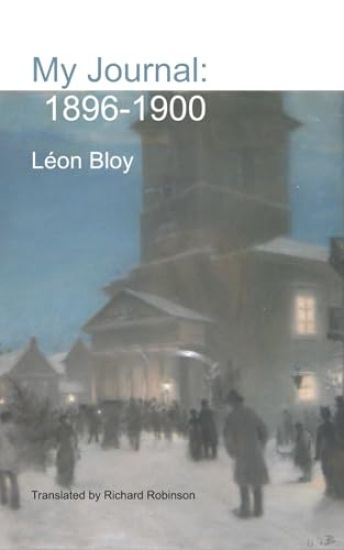
My Journal: 1896-1900 by L on Bloy (AD 1846-1917) is the second diary in the Ungrateful Beggar series. Edited for publication, the diary chronicles four and a half years in the tortured, perpetually destitute, but "perfectly adorable" life of the intransigeant Catholic writer and his family. It also recounts seventeen months in voluntary exile in the northern climes of Protestant Denmark where, despite his hopes for a new beginning, misfortune and misery followed him and his circumstances went quickly from bad to worse. " January 11, 1899] Journey to Kolding, small neighboring village where we will live as best we can. There is a minuscule Catholic church here, too vast for its parishioners. Emotion to see a humble cr che of the Epiphany with the German magi and camels waiting for us. We are now so far removed from France that it is only here, within these few square meters, on this Catholic islet lost in the middle of Lutherʼs ice floes, that God can speak to us and we can speak to God." Despite everything - and perhaps because of it - the writer was able to produce in this time period Je MʼAccuse... and The Son of Louis XVI, while gathering material for what would later become Exegesis of Commonplaces and Blood of the Poor.
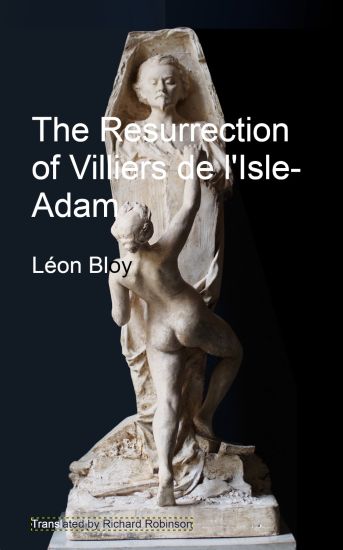

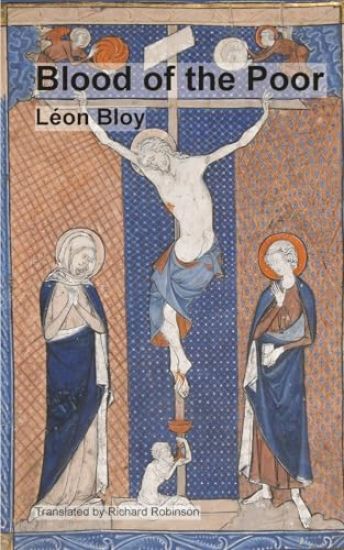
Blood of the Poor (originally Le Sang du pauvre), by Catholic writer L on Bloy, is perhaps the hardest to read of L on Bloyʼs writings, as it goes straight to the heart of the matter of what is wrong in the world. It is hard to read, emotively, because it gives the honest reader no room for cover, no space for shelter, no shadow of a tree to hide under. With avarice as its subject, it is a dark poem in prose, a sermon in the style of Savonarola, with the biting satire of a Jonathan Swift. "The Blood and the Flesh of the Poor are the only aliments that can nourish, the substance of the rich being a poison and a putrefaction. It is therefore a necessity of hygiene that the poor be devoured by the rich who find that very good, and who ask for it again. Rich children are fortified by the juice of the poorsʼ flesh, and the rich manʼs cuisine is endowed with concentrate of the poor." "You believe yourselves to be innocent because you have not slit somebodyʼs throat, as yet, I want to believe; because you have not forced open somebodyʼs door nor scaled his wall in order to despoil him of his possessions; because finally you have not transgressed human laws too visibly. You are so gross, so carnal, for you do not conceive of a crime that cannot be seen. But I say to you, my very dear brother, that you are a plant, and that that assassin is your flower." "It is true that there are refuges: drunkenness, prostitution of the body, suicide, or madness. Why would the dance not continue?"
Le Salut par les Juifs; Édition nouvelle revue et modifiée par l'auteur
Léon Bloy
Antigonos Verlag
2025
pokkari
Le Salut par les Juifs; Édition nouvelle revue et modifiée par l'auteur: en gros caractères
Léon Bloy
Antigonos Verlag
2025
sidottu
Reproduction de l'original. La maison d' dition Antigonos est sp cialis e dans la publication de r impressions de livres historiques. Nous veillons ce que ces ouvrages soient mis la disposition du public dans de bonnes conditions afin de pr server leur patrimoine culturel.