Kirjojen hintavertailu – 12 876 455 kirjaa ja 26 kauppaa

Kirjailija

Leslie Brubaker

Kirjat ja teokset yhdessä paikassa: 6 kirjaa, julkaisuja vuosilta 1999–2015, suosituimpiin kuuluu Inventing Byzantine Iconoclasm. Vertaile teosten hintoja ja tarkista saatavuus suomalaisista kirjakaupoista.

6 kirjaa

Kirjojen julkaisuvuodet: 1999–2015.

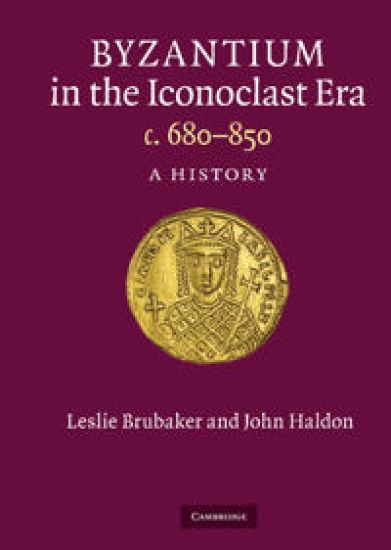
Byzantium in the Iconoclast Era, c. 680–850

Byzantium in the Iconoclast Era, c. 680–850

Leslie Brubaker; John Haldon

Cambridge University Press
2015
pokkari
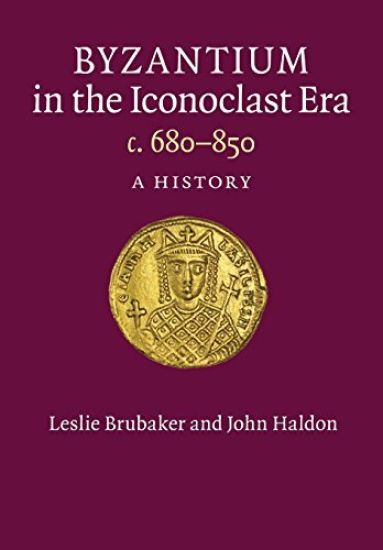
Iconoclasm, the debate about the legitimacy of religious art that began in Byzantium around 720 and continued for nearly one hundred and twenty years, has long held a firm grip on the historical imagination. This is the first book in English for over fifty years to survey this most elusive and fascinating period in medieval history. It is also the first book in any language to combine the expertise of two authors who are specialists in the written, archaeological and visual evidence from this period, a combination of particular importance to the iconoclasm debate. The authors have worked together to provide a comprehensive overview of the visual, written and other materials that together help clarify the complex issues of iconoclasm in Byzantium. In doing so they challenge many traditional assumptions about iconoclasm and set the period firmly in its broader political, cultural and social-economic context.
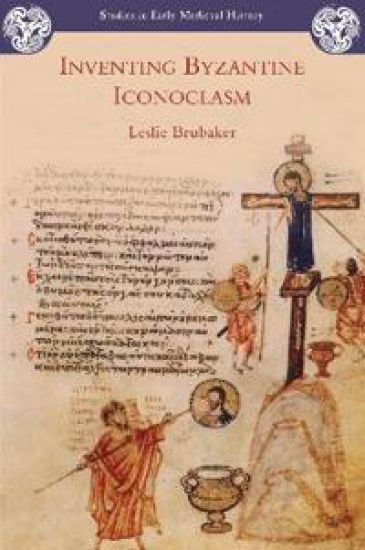
Inventing Byzantine Iconoclasm

Inventing Byzantine Iconoclasm

Leslie Brubaker

Bristol Classical Press
2012
nidottu
Byzantine `iconoclasm' is famous and has influenced iconoclast movements from the English Reformation and French Revolution to Taliban, but it has also been woefully misunderstood: this book shows how and why the debate about images was more complicated, and more interesting, than it has been presented in the past. It explores how icons came to be so important, who opposed them, and how the debate about images played itself out over the years between c. 680 and 850. Many widely accepted assumptions about `iconoclasm' - that it was an imperial initiative that resulted in widespread destruction of images, that the major promoters of icon veneration were monks, and that the era was one of cultural stagnation - are shown to be incorrect. Instead, the years of the image debates saw technological advances and intellectual shifts that, coupled with a growing economy, concluded with the emergence of medieval Byzantium as a strong and stable empire.
Byzantium in the Iconoclast Era, c. 680–850

Byzantium in the Iconoclast Era, c. 680–850

Leslie Brubaker; John Haldon

Cambridge University Press
2011
sidottu
Iconoclasm, the debate about the legitimacy of religious art that began in Byzantium around 720 and continued for nearly one hundred and twenty years, has long held a firm grip on the historical imagination. This is the first book in English for over fifty years to survey this most elusive and fascinating period in medieval history. It is also the first book in any language to combine the expertise of two authors who are specialists in the written, archaeological and visual evidence from this period, a combination of particular importance to the iconoclasm debate. The authors have worked together to provide a comprehensive overview of the visual, written and other materials that together help clarify the complex issues of iconoclasm in Byzantium. In doing so they challenge many traditional assumptions about iconoclasm and set the period firmly in its broader political, cultural and social-economic context.
Vision and Meaning in Ninth-Century Byzantium

Vision and Meaning in Ninth-Century Byzantium

Leslie Brubaker

Cambridge University Press
2008
pokkari
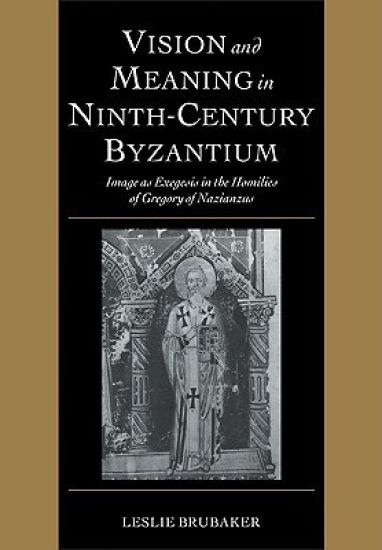
The Byzantines used imagery to communicate a wide range of issues. In the context of Iconoclasm - the debate about the legitimacy of religious art conducted between c. AD 730 and 843 - Byzantine authors themselves claimed that visual images could express certain ideas better than words. Vision and Meaning in Ninth-Century Byzantium deals with how such visual communication worked and examines the types of messages that pictures could convey in the aftermath of Iconoclasm. Its focus is on a deluxe manuscript commissioned around 880, a copy of the fourth-century sermons of the Cappadocian church father Gregory of Nazianzus which presented to the Emperor Basil I, founder of the Macedonian dynasty, by one of the greatest scholars Byzantium ever produced, the patriarch Photios. The manuscript was lavishly decorated with gilded initials, elaborate headpieces and a full-page miniature before each of Gregory's sermons. Forty-six of these, including over 200 distinct scenes, survive. Fewer than half however were directly inspired by the homily that they accompany. Instead most function as commentaries on the ninth-century court and carefully deconstructed both provide us with information not available from preserved written sources and perhaps more important show us how visual images communicate differently from words.
Byzantium in the Iconoclast Era (ca 680–850): The Sources

Byzantium in the Iconoclast Era (ca 680–850): The Sources

Leslie Brubaker; John Haldon

Ashgate Publishing Limited
2001
sidottu
Iconoclasm, the debate about the legitimacy of religious art that began in Byzantium around 730 and continued for nearly 120 years, has long held a firm grip on the historical imagination. Byzantium in the Iconoclast Era is the first book in English to survey the original sources crucial for a modern understanding of this most elusive and fascinating period in medieval history. It is also the first book in any language to cover both the written and the visual evidence from this period, a combination of particular importance to the iconoclasm debate. The authors, an art historian and a historian who both specialise in the period, have worked together to provide a comprehensive overview of the visual and the written materials that together help clarify the complex issues of iconoclasm in Byzantium.
Vision and Meaning in Ninth-Century Byzantium

Vision and Meaning in Ninth-Century Byzantium

Leslie Brubaker

Cambridge University Press
1999
sidottu
The Byzantines used imagery to communicate a wide range of issues. In the context of Iconoclasm - the debate about the legitimacy of religious art conducted between c. AD 730 and 843 - Byzantine authors themselves claimed that visual images could express certain ideas better than words. Vision and Meaning in Ninth-Century Byzantium deals with how such visual communication worked and examines the types of messages that pictures could convey in the aftermath of Iconoclasm. Its focus is on a deluxe manuscript commissioned around 880, a copy of the fourth-century sermons of the Cappadocian church father Gregory of Nazianzus which presented to the Emperor Basil I, founder of the Macedonian dynasty, by one of the greatest scholars Byzantium ever produced, the patriarch Photios. The manuscript was lavishly decorated with gilded initials, elaborate headpieces and a full-page miniature before each of Gregory's sermons. Forty-six of these, including over 200 distinct scenes, survive. Fewer than half however were directly inspired by the homily that they accompany. Instead most function as commentaries on the ninth-century court and carefully deconstructed both provide us with information not available from preserved written sources and perhaps more important show us how visual images communicate differently from words.