Kirjojen hintavertailu – 12 903 735 kirjaa ja 27 kauppaa
Kirjailija
Li Xun
Kirjat ja teokset yhdessä paikassa: 3 kirjaa, julkaisuja vuosilta 1997–2019, suosituimpiin kuuluu Optoelectronic Devices. Vertaile teosten hintoja ja tarkista saatavuus suomalaisista kirjakaupoista.
This pathbreaking book offers the first in-depth study of Chinese labor activism during the momentous upheaval of the Cultural Revolution. The authors explore three distinctive forms of working-class protest: rebellion, conservatism, and economism. Labor, they argue, was working at cross-purposes through these three modes of militancy promoted by d
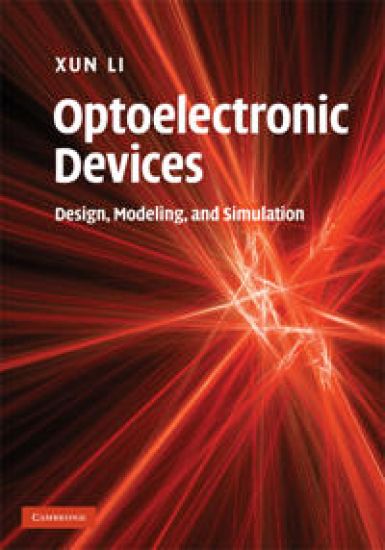
With a clear application focus, this book explores optoelectronic device design and modeling through physics models and systematic numerical analysis. By obtaining solutions directly from the physics-based governing equations through numerical techniques, the author shows how to develop new devices and how to enhance the performance of existing devices. Semiconductor-based optoelectronic devices such as semiconductor laser diodes, electroabsorption modulators, semiconductor optical amplifiers, superluminescent light emitting diodes and their integrations are all covered. Including step-by-step practical design and simulation examples together with detailed numerical algorithms, this book provides researchers, device designers and graduate students in optoelectronics with the numerical techniques to obtain solutions for their own structures.
This pathbreaking book offers the first in-depth study of Chinese labor activism during the momentous upheaval of the Cultural Revolution. The authors explore three distinctive forms of working-class protest: rebellion, conservatism, and economism. Labor, they argue, was working at cross-purposes through these three modes of militancy promoted by different types of leaders with differing agendas and motivations. Drawing upon a wealth of heretofore inaccessible archival sources, the authors probe the divergent political, psychocultural, and socioeconomic strains within the Shanghai labor movement. As they convincingly illustrate, the multiplicity of worker responses to the Cultural Revolution cautions against a one-dimensional portrait of working-class politics in contemporary China.