Kirjojen hintavertailu – 12 859 829 kirjaa ja 27 kauppaa

Kirjailija

Lila Rajiva

Kirjat ja teokset yhdessä paikassa: 4 kirjaa, julkaisuja vuosilta 2005–2009, suosituimpiin kuuluu Mobs, Messiahs, and Markets. Vertaile teosten hintoja ja tarkista saatavuus suomalaisista kirjakaupoista.

4 kirjaa

Kirjojen julkaisuvuodet: 2005–2009.

Mobs, Messiahs, and Markets

Mobs, Messiahs, and Markets

William Bonner; Lila Rajiva

John Wiley Sons Inc
2009
nidottu
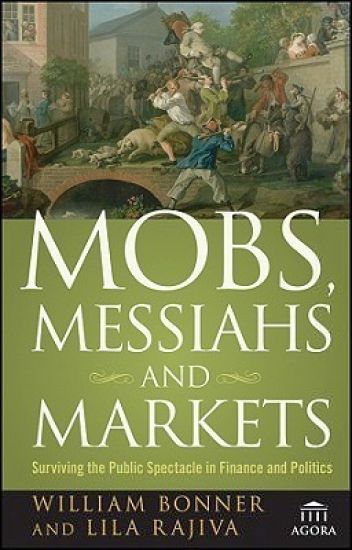
An insightful look at how to succeed by going against the crowd Collectively, people think and act in ways that are different from how they think and act as individuals. Understanding these differences, says William (Bill) Bonner-a longtime maverick observer of the financial world and the vagaries of the investing public-is vital to preserving your wealth and personal dignity. From the witch-hunts of the early modern world to the war on terror, from dot-com mania to the real estate bubble, people have always been caught up in frauds, conceits, and wild guesses-often with devastating results. In Mobs, Messiahs, and Markets, Bonner and coauthor Lila Rajiva show groupthink at work in an improbable array of instances throughout history and reveal why swimming against the current pays. Shares the deeper secrets of investing and pushes you to question what this means for your financial well-beingExplains why people so often abandon good sense and good behavior to "follow the crowd"Offers concrete advice on how you can avoid the "public spectacle" of modern finance The authors' cautionary tale of bubble economies reveals how the gush of credit let loose by Alan Greenspan has wreaked havoc on our lives-but their thoughtful and always entertaining approach also offers some sound investing principles for avoiding the pitfalls of the public spectacle, thinking for yourself, and protecting your money, your sanity, and your soul.
Mobs, Messiahs, and Markets

Mobs, Messiahs, and Markets

William Bonner; Lila Rajiva

John Wiley Sons Inc
2007
sidottu
An insightful look at how to succeed by going against the crowd Collectively, people think and act in ways that are different from how they think and act as individuals. Understanding these differences, says William (Bill) Bonner-a longtime maverick observer of the financial world and the vagaries of the investing public-is vital to preserving your wealth and personal dignity. From the witch-hunts of the early modern world to the war on terror, from dot-com mania to the real estate bubble, people have always been caught up in frauds, conceits, and wild guesses-often with devastating results. In Mobs, Messiahs, and Markets, Bonner and coauthor Lila Rajiva show groupthink at work in an improbable array of instances throughout history and reveal why swimming against the current pays. Shares the deeper secrets of investing and pushes you to question what this means for your financial well-beingExplains why people so often abandon good sense and good behavior to "follow the crowd"Offers concrete advice on how you can avoid the "public spectacle" of modern finance The authors' cautionary tale of bubble economies reveals how the gush of credit let loose by Alan Greenspan has wreaked havoc on our lives-but their thoughtful and always entertaining approach also offers some sound investing principles for avoiding the pitfalls of the public spectacle, thinking for yourself, and protecting your money, your sanity, and your soul.
The Language of Empire

The Language of Empire

Lila Rajiva

Monthly Review Press,U.S.
2005
nidottu
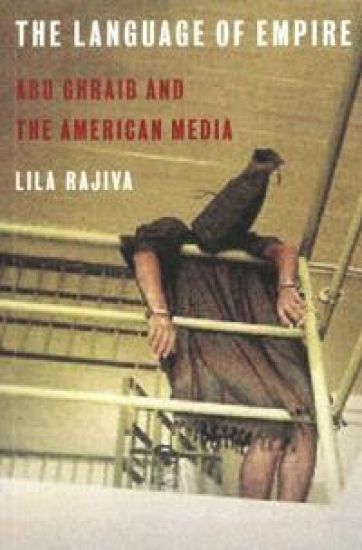
Under the rule of Saddam Hussein, the prison of Abu Ghraib (the Father of the Raven) was a place of ill omen, notorious for horrific suffering and torture and mass executions. After the invasion of Iraq, the U. S. military made Abu Ghraib one of the major detention centers for Iraqis suspected of sympathizing with the resistance. The revelations since April 2004 of systematic torture and sexual humiliation of Iraqi detainees at Abu Ghraib have not easily been assimilated into the mythology of the U. S. "war on terror." The Language of Empire focuses on the response to these revelations in the U. S. media, in congress, and in the larger context of U. S. global politics and ideology. Its focus on the media is a prelude to showing how the language of multiculturalism, humanitarianism, and even feminism have been hijacked in the cause of an illegal and brutal imperialist war. The media have colluded with the Bush administration in manipulating images of the U. S. occupation of Iraq in such a way as to present it as a clash between civilization and barbarism, and in selectively using legal and procedural issues to distract from the basic criminality of the invasion itself. The circuitous logic through which U. S. imperialism presents itself as a defender of legality and democracy is exposed for all to see in this important and timely work.
The Language of Empire

The Language of Empire

Lila Rajiva

Monthly Review Press,U.S.
2005
sidottu
Under the rule of Saddam Hussein, the prison of Abu Ghraib (the Father of the Raven) was a place of ill omen, notorious for horrific suffering and torture and mass executions. After the invasion of Iraq, the U. S. military made Abu Ghraib one of the major detention centers for Iraqis suspected of sympathizing with the resistance. The revelations since April 2004 of systematic torture and sexual humiliation of Iraqi detainees at Abu Ghraib have not easily been assimilated into the mythology of the U. S. "war on terror." The Language of Empire focuses on the response to these revelations in the U. S. media, in congress, and in the larger context of U. S. global politics and ideology. Its focus on the media is a prelude to showing how the language of multiculturalism, humanitarianism, and even feminism have been hijacked in the cause of an illegal and brutal imperialist war. The media have colluded with the Bush administration in manipulating images of the U. S. occupation of Iraq in such a way as to present it as a clash between civilization and barbarism, and in selectively using legal and procedural issues to distract from the basic criminality of the invasion itself. The circuitous logic through which U. S. imperialism presents itself as a defender of legality and democracy is exposed for all to see in this important and timely work.