Kirjojen hintavertailu – 12 903 724 kirjaa ja 27 kauppaa

Kirjailija

Lin-Hai Han

Kirjat ja teokset yhdessä paikassa: 6 kirjaa, julkaisuja vuosilta 2010–2024, suosituimpiin kuuluu Theory of Concrete-Filled Steel Tubular Structures. Vertaile teosten hintoja ja tarkista saatavuus suomalaisista kirjakaupoista.

6 kirjaa

Kirjojen julkaisuvuodet: 2010–2024.

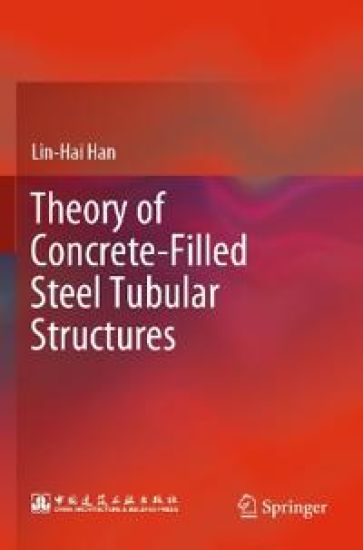
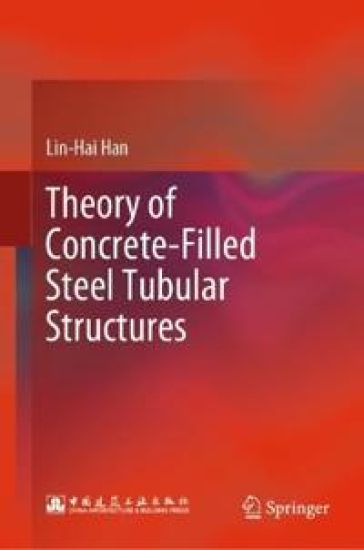
Theory of Concrete-Filled Steel Tubular Structures

Theory of Concrete-Filled Steel Tubular Structures

Lin-Hai Han

SPRINGER VERLAG, SINGAPORE
2023
sidottu
This textbook focuses on concrete-filled steel tubular structures formed by placing concrete inside the steel tube. It deals with the mechanical essence of concrete-filled steel tubular members in compression/tension, bending, torsion, shear and the combined effects, the working mechanism of concrete-filled steel tubular members under long-term load, cyclic load, fire exposure and post-fire exposure, and proposes practical design methods based on experimental and theoretical studies and parametric analysis. The content addresses some key technical issues of concrete-filled steel tubular members, such as the mechanical properties of steel and core concrete, the shrinkage and creep of core concrete, the bonding behavior between steel tube and core concrete, the limiting values for the initial stress of steel tube caused by construction load and the void of core concrete, the protective design of concrete-filled steel tubular members under chloride corrosive environment and impactloading, etc. This textbook also discusses the technology and design principles of concrete-filled steel tubular hybrid structures.
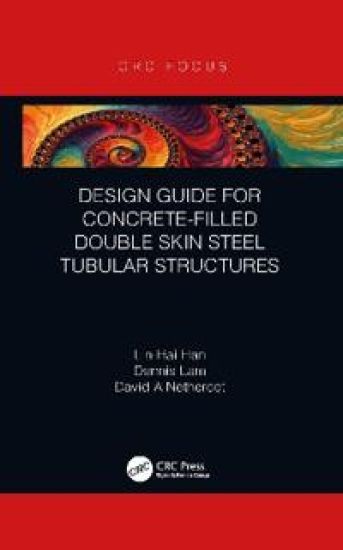
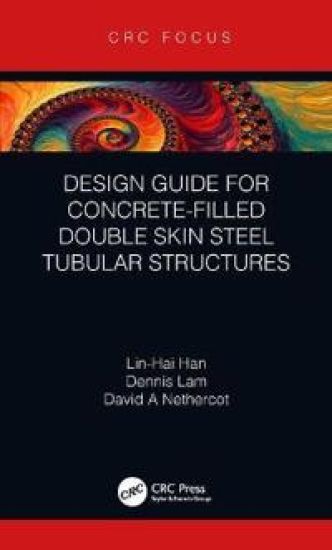
Design Guide for Concrete-filled Double Skin Steel Tubular Structures

Design Guide for Concrete-filled Double Skin Steel Tubular Structures

Lin-Hai Han; Dennis Lam; David Nethercot

Taylor Francis Ltd
2021
nidottu
This is the first design guide on concrete filled double skin steel tubular (CFDST) structures. It addresses in particular CFDST structures with plain concrete sandwiched between circular hollow sections, and provides the relevant calculation methods and construction provisions for CFDST structures. These inherit the advantages of conventional concrete-filled steel tubular (CFST) structures, including high strength, good ductility and durability, high fire resistance and favourable constructability. Moreover, because of their unique sectional configuration, CFDST structures have been proved to possess lighter weight, higher bending stiffness and better cyclic performance than conventional CFST. Consequently CFDST can offer reduced concrete consumption and construction costs. This design guide is for engineers designing electrical grid infrastructures, wind power towers, bridge piers and other structures requiring light self-weight, high bending stiffness and high bearing capacity.
Design Guide for Concrete-filled Double Skin Steel Tubular Structures

Design Guide for Concrete-filled Double Skin Steel Tubular Structures

Lin-Hai Han; Dennis Lam; David Nethercot

CRC Press
2018
sidottu
This is the first design guide on concrete filled double skin steel tubular (CFDST) structures. It addresses in particular CFDST structures with plain concrete sandwiched between circular hollow sections, and provides the relevant calculation methods and construction provisions for CFDST structures. These inherit the advantages of conventional concrete-filled steel tubular (CFST) structures, including high strength, good ductility and durability, high fire resistance and favourable constructability. Moreover, because of their unique sectional configuration, CFDST structures have been proved to possess lighter weight, higher bending stiffness and better cyclic performance than conventional CFST. Consequently CFDST can offer reduced concrete consumption and construction costs. This design guide is for engineers designing electrical grid infrastructures, wind power towers, bridge piers and other structures requiring light self-weight, high bending stiffness and high bearing capacity.
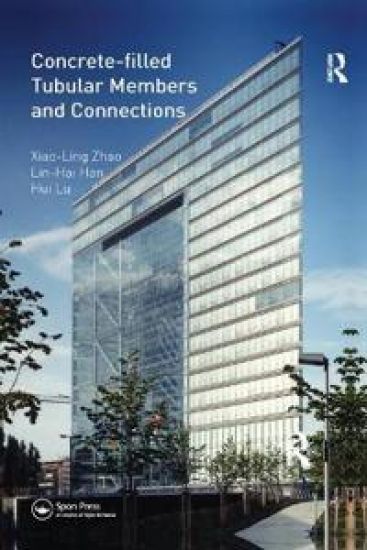
Concrete-filled Tubular Members and Connections

Concrete-filled Tubular Members and Connections

Xiao-Ling Zhao; Lin-Hai Han; Hui Lu

CRC Press
2017
nidottu
Using steel and concrete together utilizes the beneficial material properties of both elements. Concrete filled steel tubes represent a good example of a concrete – steel composite structure, and are particularly useful as columns in high rise buildings and bridge piers. They can be used in a range of fields, from civil and industrial construction through to the mining industry. Several aspects of concrete filled tubes have received little coverage in existing design standards, design guides or relevant books, but are addressed here: construction methods or quality and their effect on performance, confinement, creep effects, pre-load effects, size effects, seismic behaviour and post-fire behaviour, worked examples under practical conditions, numerical simulations, mechanics models, concrete-filled double skin tubes, SCC(self-consolidating concrete)-filled tubes, HPHSC (high performance high strength concrete)-filled tubes, high strength steel and thin-walled tubes filled with concrete, and fiber reinforced polymer strengthening of concrete filled tubes. This book not only summarizes the research performed to date on concrete-filled tubular members and connections but also compares the design rules in various standards (Eurocode 4, AISI-LRFD, ACI, AIJ and Chinese Standard), and provides design examples. An invaluable guide for professionals and a detailed source of information for graduate students and beyond.
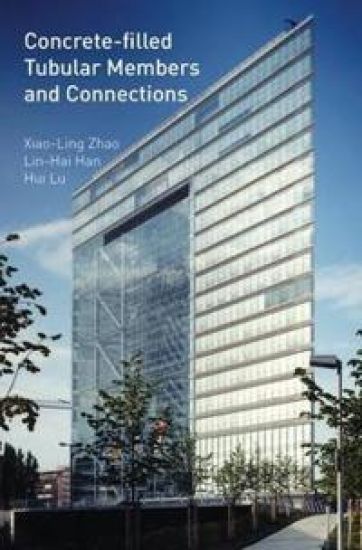
Concrete-filled Tubular Members and Connections

Concrete-filled Tubular Members and Connections

Xiao-Ling Zhao; Lin-Hai Han; Hui Lu

CRC Press
2010
sidottu
Using steel and concrete together utilizes the beneficial material properties of both elements. Concrete filled steel tubes represent a good example of a concrete – steel composite structure, and are particularly useful as columns in high rise buildings and bridge piers. They can be used in a range of fields, from civil and industrial construction through to the mining industry. Several aspects of concrete filled tubes have received little coverage in existing design standards, design guides or relevant books, but are addressed here: construction methods or quality and their effect on performance, confinement, creep effects, pre-load effects, size effects, seismic behaviour and post-fire behaviour, worked examples under practical conditions, numerical simulations, mechanics models, concrete-filled double skin tubes, SCC(self-consolidating concrete)-filled tubes, HPHSC (high performance high strength concrete)-filled tubes, high strength steel and thin-walled tubes filled with concrete, and fiber reinforced polymer strengthening of concrete filled tubes. This book not only summarizes the research performed to date on concrete-filled tubular members and connections but also compares the design rules in various standards (Eurocode 4, AISI-LRFD, ACI, AIJ and Chinese Standard), and provides design examples. An invaluable guide for professionals and a detailed source of information for graduate students and beyond.
Theory of Concrete-Filled Steel Tubular Structures

Theory of Concrete-Filled Steel Tubular Structures

Lin-Hai Han

SPRINGER VERLAG, SINGAPORE
2024
nidottu
This textbook focuses on concrete-filled steel tubular structures formed by placing concrete inside the steel tube. It deals with the mechanical essence of concrete-filled steel tubular members in compression/tension, bending, torsion, shear and the combined effects, the working mechanism of concrete-filled steel tubular members under long-term load, cyclic load, fire exposure and post-fire exposure, and proposes practical design methods based on experimental and theoretical studies and parametric analysis. The content addresses some key technical issues of concrete-filled steel tubular members, such as the mechanical properties of steel and core concrete, the shrinkage and creep of core concrete, the bonding behavior between steel tube and core concrete, the limiting values for the initial stress of steel tube caused by construction load and the void of core concrete, the protective design of concrete-filled steel tubular members under chloride corrosive environment and impactloading, etc. This textbook also discusses the technology and design principles of concrete-filled steel tubular hybrid structures.