Kirjojen hintavertailu – 12 903 725 kirjaa ja 27 kauppaa

Kirjailija

Linda Adler-Kassner

Kirjat ja teokset yhdessä paikassa: 6 kirjaa, julkaisuja vuosilta 2002–2023, suosituimpiin kuuluu Reframing Writing Assessment to Improve Teaching and Learning. Vertaile teosten hintoja ja tarkista saatavuus suomalaisista kirjakaupoista.

6 kirjaa

Kirjojen julkaisuvuodet: 2002–2023.

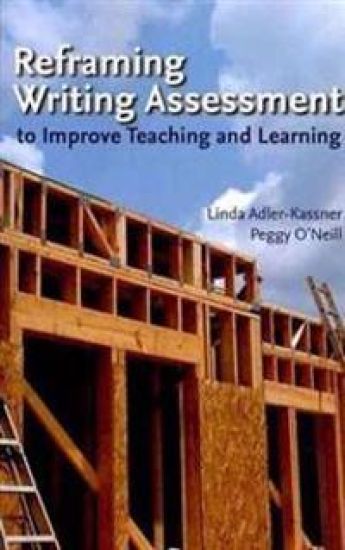
Reframing Writing Assessment to Improve Teaching and Learning

Reframing Writing Assessment to Improve Teaching and Learning

Linda Adler-Kassner; Peggy O'Neill

Utah State University Press
2010
nidottu
Adler-Kassner and O'Neill show writing faculty and administrators how to frame discussions of writing assessment so that they accurately represent research-based practices, and promote assessments that are valid, reliable, and discipline-appropriate. Public discourse about writing instruction is currently driven by ideas of what instructors and programs "need to do," "should do," or "are not doing," and is based on poorly informed concepts of correctness and unfounded claims about a broad decline in educational quality. This discussion needs to be reframed, say Adler-Kassner and O'Neill, to help policy makers understand that the purpose of writing instruction is to help students develop critical thinking, reading, and writing strategies that will form the foundation for their future educations, professional careers, and civic engagement. Reframing Writing Assessment to Improve Teaching and Learning is grounded in the best of writing assessment research, and focuses on how to communicate it effectively to public beyond academe.
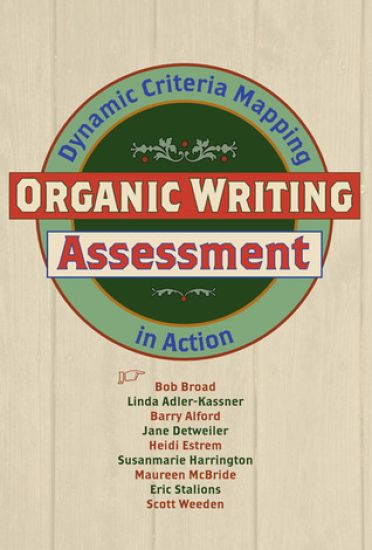
Organic Writing Assessment

Organic Writing Assessment

Bob Broad; Linda Adler-Kassner; Barry Alford; Jane Detweiler; Heidi Estrem; Susanmarie Harrington; Maureen McBride; Eric Stalions; Scott Weeden

Utah State University Press
2009
pokkari
Educators strive to create "assessment cultures" in which they integrate evaluation into teaching and learning and match assessment methods with best instructional practice. But how do teachers and administrators discover and negotiate the values that underlie their evaluations? Bob Broad's 2003 volume, What We Really Value, introduced dynamic criteria mapping (DCM) as a method for eliciting locally-informed, context-sensitive criteria for writing assessments. The impact of DCM on assessment practice is beginning to emerge as more and more writing departments and programs adopt, adapt, or experiment with DCM approaches. For the authors of Organic Writing Assessment, the DCM experience provided not only an authentic assessment of their own programs, but a nuanced language through which they can converse in the always vexing, potentially divisive realm of assessment theory and practice. Of equal interest are the adaptations these writers invented for Broad's original process, to make DCM even more responsive to local needs and exigencies. Organic Writing Assessment represents an important step in the evolution of writing assessment in higher education. This volume documents the second generation of an assessment model that is regarded as scrupulously consistent with current theory; it shows DCM's flexibility, and presents an informed discussion of its limits and its potentials.
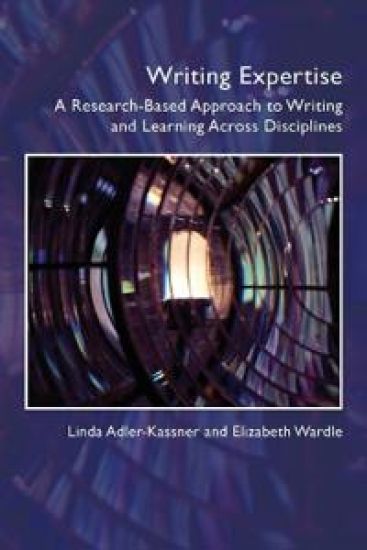
Writing Expertise

Writing Expertise

Linda Adler-Kassner; Elizabeth Wardle

University Press of Colorado
2023
pokkari
In Writing Expertise, Linda Adler-Kassner and Elizabeth Wardle address the question, “How can instructors across disciplines best help students write well?” Drawing on research about how disciplines use writing to engage in shared ways of thinking, practicing, and demonstrating knowledge, the authors offer an approach that helps faculty across the disciplines invite students to bring new ideas and identities to their work. Throughout the book, Adler-Kassner and Wardle help instructors explore what it means to write well in their courses, fields, or disciplines and offer strategies and activities that can help them improve their assignments by infusing research-based writing activities into their courses. Writing Expertise provides an innovative, equity- and research-based approach to writing in the disciplines that will enrich instructor and student thinking. Thoughtful discussions and well-designed activities provide the support needed to help instructors put disciplinary thinking into written form, develop systematic aways of learning about the students who write in their courses, and ultimately develop more effective, inclusive courses.
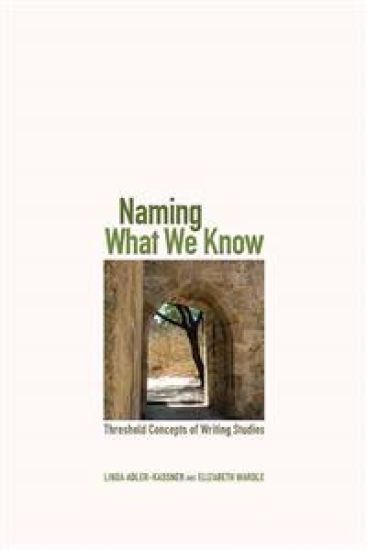
Naming What We Know

Naming What We Know

Linda Adler-Kassner; Elizabeth Wardle

Utah State University Press
2015
nidottu
"Naming What We Know" examines the core principles of knowledge in the discipline of writing studies using the lens of threshold concepts concepts that are critical for epistemological participation in a discipline. The first part of the book defines and describes thirty-seven threshold concepts of the discipline in entries written by some of the field s most active researchers and teachers, all of whom participated in a collaborative wiki discussion guided by the editors. These entries are clear and accessible, written for an audience of writing scholars, students, and colleagues in other disciplines and policy makers outside the academy. Contributors describe the conceptual background of the field and the principles that run throughout practice, whether in research, teaching, assessment, or public work around writing. Chapters in the second part of the book describe the benefits and challenges of using threshold concepts in specific sites first-year writing programs, WAC/WID programs, writing centers, writing majors and for professional development to present this framework in action. "Naming What We Know "opens a dialogue about the concepts that writing scholars and teachers agree are critical and about why those concepts should and do matter to people outside the field."
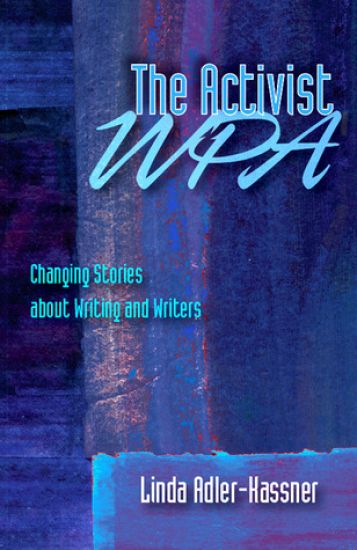
Activist WPA, The

Activist WPA, The

Linda Adler-Kassner

Utah State University Press
2008
pokkari
One wonders if there is any academic field that doesn't suffer from the way it is portrayed by the media, by politicians, by pundits and other publics. How well scholars in a discipline articulate their own definition can influence not only issues of image but the very success of the discipline in serving students and its other constituencies. The Activist WPA is an effort to address this range of issues for the field of English composition in the age of the Spellings Commission and the No Child Left Behind Act. Drawing on recent developments in framing theory and the resurgent traditions of progressive organizers, Linda Adler-Kassner calls upon composition teachers and administrators to develop strategic programs of collective action that do justice to composition's best principles. Adler-Kassner argues that the "story" of college composition can be changed only when writing scholars bring the wonders down, to articulate a theory framework that is pragmatic and intelligible to those outside the field--and then create messages that reference that framework. In The Activist WPA, she makes a case for developing a more integrated vision of outreach, English education, and writing program administration.
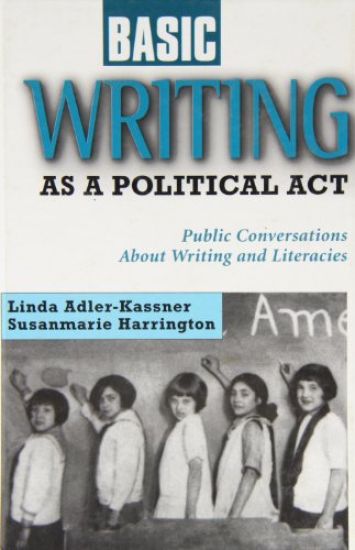
Basic Writing As a Political Act

Basic Writing As a Political Act

Linda Adler-Kassner; Susanmarie Harrington

Hampton Pr
2002
sidottu
An empirical study of basic writing in the contemporary academy. It examines perceptions of in-school writing and how basic writing programmes have been created and maintained by drawing on basic writing syllabi and programmes in different American colleges and universities.