Kirjojen hintavertailu – 12 903 725 kirjaa ja 27 kauppaa

Kirjailija

Lindy Stiebel

Kirjat ja teokset yhdessä paikassa: 5 kirjaa, julkaisuja vuosilta 2001–2017, suosituimpiin kuuluu Lives of Victorian Literary Figures, Part VII, Volume 3. Vertaile teosten hintoja ja tarkista saatavuus suomalaisista kirjakaupoista.

5 kirjaa

Kirjojen julkaisuvuodet: 2001–2017.

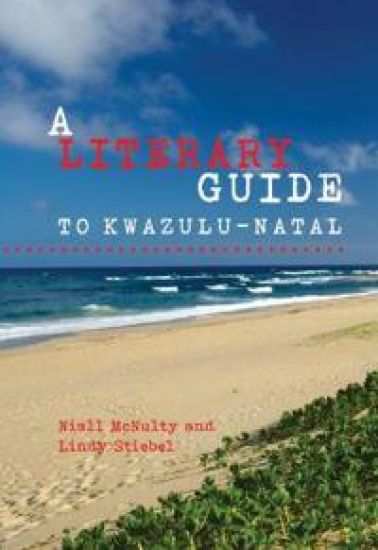
A Literary Guide to KwaZulu-Natal

A Literary Guide to KwaZulu-Natal

Niall McNulty; Lindy Stiebel

University of KwaZulu-Natal Press
2017
nidottu
KwaZulu-Natal is culturally rich, offering a wide range of writers – writing mainly in English and Zulu – who are linked through their lives and their writing to this province of South Africa. The writers include, to name just a few, Alan Paton, Roy Campbell, Lewis Nkosi, Ronnie Govender, Wilbur Smith, Daphne Rooke, Credo Mutwa and Gcina Mhlophe. And how better to understand a writer than to know about the places they are linked to? A Literary Guide to KwaZulu-Natal introduces you to the regions and writers through word and image, leading you imaginatively through this beautiful province. This could include following the route a fictional character charts in a novel, visiting particular settings from a story or tracking down the places linked to a writer, whether a birthplace, home, burial site or significant setting. Literary tourists are interested in how places have influenced writing and at the same time how writing has created place. This is also a way of reflecting upon and understanding historic and contemporary identities in a changing cultural and political South African landscape.
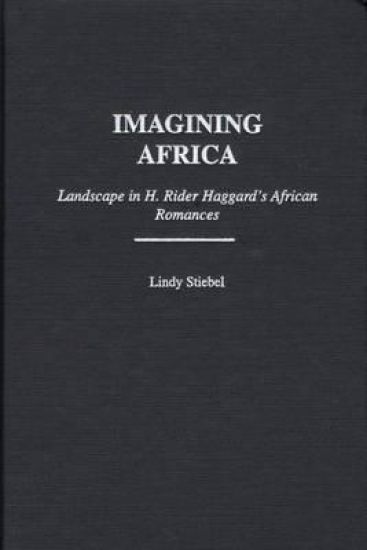
Imagining Africa

Imagining Africa

Lindy Stiebel

Praeger Publishers Inc
2001
sidottu
Best known as the author of such works as King Solomon's Mines and She, H. Rider Haggard was one of the most popular writers of the late-Victorian era, and his works continue to be influential today. To a large degree, his novels are captivating because of his image of Africa, and an understanding of his representation of the African landscape is central to a critical reading of his works. This book argues that Haggard created in his African romances a formulaic, ideological geography which provided a canvas onto which he projected his desires and fears, both personal and political, as well as those of his age. The first full-length study of land and landscape in Haggard's African romances, this book approaches his construction of an imaginary African landscape as a product of late-Victorian wishful thinking about Africa, analyzing his African topography as a vast Eden, a wilderness, a dream underworld, a home to ancient white civilizations, and a sexualized metaphor for the human body. While the work looks primarily at his pre-1892 romances, which were his most powerful, it also gives attention to his nonfiction and unpublished papers. Because Haggard's writings embodied the spirit of his age, this book is an essential guide to late-Victorian concepts of Africa, colonization, and the British Empire.