
Kirjojen hintavertailu – 12 903 725 kirjaa ja 27 kauppaa

Kirjailija

Lisa M. Carter

Kirjat ja teokset yhdessä paikassa: 3 kirjaa, julkaisuja vuosilta 2020–2024, suosituimpiin kuuluu The Transformative Journey of Higher Education in Prison. Vertaile teosten hintoja ja tarkista saatavuus suomalaisista kirjakaupoista.

3 kirjaa

Kirjojen julkaisuvuodet: 2020–2024.

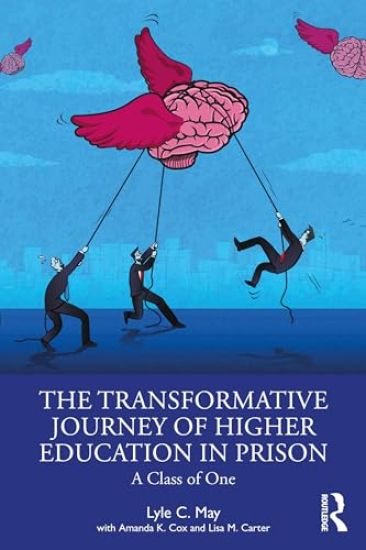
The Transformative Journey of Higher Education in Prison

The Transformative Journey of Higher Education in Prison

Lyle C. May; Amanda K. Cox; Lisa M. Carter

TAYLOR FRANCIS LTD
2024
nidottu
This volume follows one man’s revolutionary journey from deficient early education to his incarceration on North Carolina’s death row, where he was given the opportunity to pursue higher education. By pairing Lyle May‘s engaging first-person account with current scholarly literature, this book examines the complex relationship between the United States’ educational and penal systems. It also documents the role of education in May’s contributions to society through writing, teaching, and activism. Flouting the stereotype that people sentenced to long prison terms lack an ability or desire for higher education, May’s experience champions individualism as a means of overcoming most environmental challenges to learning, personal growth, and societal involvement. With the right amount of motivation and dedication, even prison walls do not preclude significant contributions to the community or participation in criminal justice reform. Granting access to higher education in places that often lack an academic apparatus, Ohio University’s College Program for the Incarcerated provides an avenue for correctional students to enroll in accredited correspondence courses and earn an Associate or Bachelors of Specialized Studies degree. This book’s recounting of May’s experience with the program augments existing literature on higher education in prison by illustrating the tragic but common pitfall of the school-to-prison pipeline and one man’s determination to pursue higher education despite the hindrances inherent in the prison environment. Informing both students and educators about aspects of prison life that are not always considered, this book is a valuable component of a well-rounded corrections course reading list. It is essential for educators and students, criminal justice reformers, criminologists, penologists, or any reader intent on understanding how independent learning is critical to unlocking the rehabilitative and reintegrative potential of higher education in prison.
The Transformative Journey of Higher Education in Prison

The Transformative Journey of Higher Education in Prison

Lyle C. May; Amanda K. Cox; Lisa M. Carter

TAYLOR FRANCIS LTD
2024
sidottu
This volume follows one man’s revolutionary journey from deficient early education to his incarceration on North Carolina’s death row, where he was given the opportunity to pursue higher education. By pairing Lyle May‘s engaging first-person account with current scholarly literature, this book examines the complex relationship between the United States’ educational and penal systems. It also documents the role of education in May’s contributions to society through writing, teaching, and activism. Flouting the stereotype that people sentenced to long prison terms lack an ability or desire for higher education, May’s experience champions individualism as a means of overcoming most environmental challenges to learning, personal growth, and societal involvement. With the right amount of motivation and dedication, even prison walls do not preclude significant contributions to the community or participation in criminal justice reform. Granting access to higher education in places that often lack an academic apparatus, Ohio University’s College Program for the Incarcerated provides an avenue for correctional students to enroll in accredited correspondence courses and earn an Associate or Bachelors of Specialized Studies degree. This book’s recounting of May’s experience with the program augments existing literature on higher education in prison by illustrating the tragic but common pitfall of the school-to-prison pipeline and one man’s determination to pursue higher education despite the hindrances inherent in the prison environment. Informing both students and educators about aspects of prison life that are not always considered, this book is a valuable component of a well-rounded corrections course reading list. It is essential for educators and students, criminal justice reformers, criminologists, penologists, or any reader intent on understanding how independent learning is critical to unlocking the rehabilitative and reintegrative potential of higher education in prison.
Punishing Gender Past and Present

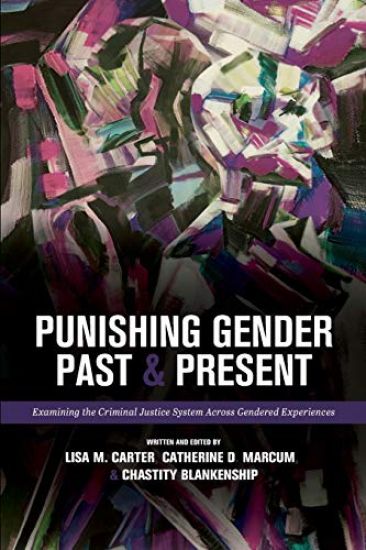
Punishing Gender Past and Present

Lisa M. Carter; Catherine D. Marcum; Chastity Blankenship

Cognella, Inc
2020
nidottu
Featuring contributed chapters written by experts within the discipline alongside valuable original material, Punishing Gender Past and Present: Examining the Criminal Justice System across Gendered Experiences exposes the disparities in how individuals within the system are treated according to gender. In Unit 1, chapters cover police misconduct victimization, the experiences of female sex workers, and discrimination and sexual harassment endured by female police officers. Unit II speaks to the sentencing and punishing of incarcerated women, differential treatment by the courts, delinquency and criminalization of girls, and disparities in death sentencing and execution according to gender. In Unit III, readers learn about gender and victimization with chapters that discuss intimate partner violence, sexual assault, femicide, and more. Unit IV addresses the reformatory model for women and girls, the impact of incarceration on fathers and their families, and issues related to LGBTQI offenders and prison management. Unit V addresses special populations, including mothers in prison, female sex offenders, male victims, white-collar offenders, and individuals with mental health issues. The final unit is dedicated to future considerations, including inclusivity and equity in criminal justice programming and practices across genders, as well as considering boys and men in the feminist pathways perspective.