
Kirjojen hintavertailu – 12 903 724 kirjaa ja 27 kauppaa
Kirjailija
Liza Rosenbaum Nielsen
Kirjat ja teokset yhdessä paikassa: 2 kirjaa, julkaisuja vuosilta 2014–2025, suosituimpiin kuuluu Klinisk beslutningslære og One Health. Vertaile teosten hintoja ja tarkista saatavuus suomalaisista kirjakaupoista.
Ezio Di Nucci; Carsten Strøby Jensen; John Brandt Brodersen; Jesper Kjærgaard; Mats Jacob Hermansson Lindberg; Andreas Lundh; Karina Dahl Steffensen; Liza Rosenbaum Nielsen; Luca Guardabassi; Claus Moser; Tina Møller Sørensen; Jens Peter Nielsen; Anders Miki Bojesen; Anne Holm; Lisbeth Rem Jessen; Ida Elisabeth Irene Penninga; Niels Høiby; Lars Erik Larsen; Mia Gall Grandahl; Christoffer Haase; Marc Sørensen; Finn Møller Pedersen; Jørgen E. Olesen; Anne Lykkeskov; Alexandra Jønsson
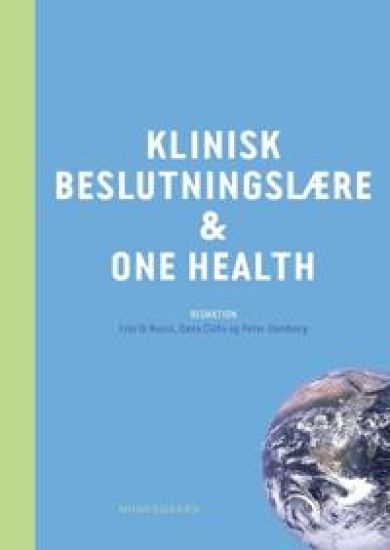
Bogen Klinisk beslutningslære og One Health er den første af sin slags, der samler disse aspekter. Den henvender sig i et lettilgængeligt sprog og med mange illustrationer primært til medicin- og veterinærstuderende, som deltager i kurset i klinisk beslutningslære. Derudover til andre sundhedsprofessionelle og alle med interesse for One Health. Bogen består af to dele: I. Etik og evidensbaserede beslutninger samt II. One Health-perspektivet. Første del fokuserer på, hvad det vil sige at træffe evidensbaserede kliniske beslutninger, samtidig med at der integreres bæredygtige behandlingsmetoder uden at gå på kompromis med patientens helbred. Læseren bliver introduceret til værktøjer, der kan hjælpe med at balancere mellem evidens og etik. Anden del præsenterer en unik tilgang til fælles beslutningstagning ved at forene medicin- og veterinærstuderende i en fælles One Health-forståelse. Formålet er at fremme tværfaglig viden om antimikrobiel resistens (AMR) gennem samarbejde mellem læger, dyrlæger, biologer, farmaceuter og samfundsforskere. Målet med bogen er at give studerende og sundhedsprofessionelle en helhedsorienteret tilgang til klinisk beslutningstagning, som styrker det tværfaglige samarbejde og inddrager flere perspektiver i behandlingsprocessen.
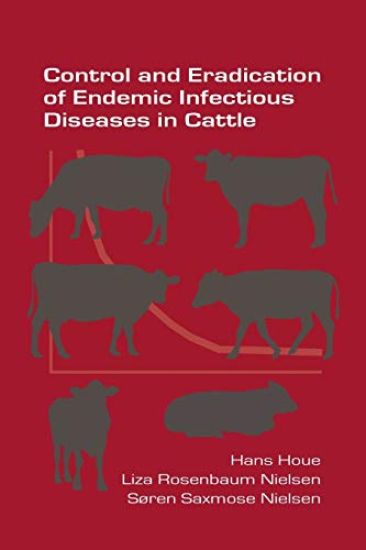
"Control and eradication of endemic infectious diseases in cattle" provides the key elements that should be addressed in the establishment of bovine disease control and eradication programmes. The book aims to reach a broad group of readers, including: students; professionals in veterinary practice, industry and governmental institutions; researchers; and others involved in control and eradication of endemic diseases in livestock. Key elements range from socioeconomic aspects such as motivation; veterinary science (including assessment of biosecurity and establishment of test-strategies); organisational issues such as resources, administrative and logistic considerations; along with other important aspects such as communication. The book addresses questions such as: Why is it important or relevant to eradicate a specific infection? What should be done to eradicate it? Which knowledge gaps still exist? Who should be involved and informed, and how should the programme be organised? Where should the programme be implemented? What measures should be used to monitor progress? When can we conclude that control and eradication have been achieved? The key elements are illustrated primarily using three examples: bovine virus diarrhoea virus, Salmonella Dublin and Mycobacterium avium subsp. paratuberculosis. The three authors have been particularly involved in the research and development of control and eradication efforts in the Danish cattle industry for these three diseases. The basic idea is to enable "disease profiling", which is governed by the characteristics of the agent and its interaction with the host and environment. This profile, along with due consideration of the socioeconomic circumstances, can be used to determine how best to address the problem.