Kirjojen hintavertailu – 12 903 725 kirjaa ja 27 kauppaa

Kirjailija

Lloyd Kramer

Kirjat ja teokset yhdessä paikassa: 4 kirjaa, julkaisuja vuosilta 1994–2019, suosituimpiin kuuluu Gen Combo LL History of Europe in the Modern World V1; Connect Access Card [With Access Code]. Vertaile teosten hintoja ja tarkista saatavuus suomalaisista kirjakaupoista.

4 kirjaa

Kirjojen julkaisuvuodet: 1994–2019.

ISE A History of Europe in the Modern World

ISE A History of Europe in the Modern World

Lloyd Kramer; R. R. Palmer; Joel Colton

McGraw-Hill Education
2019
nidottu

Halvin toimitettuna 74,10 €

A History of Europe in the Modern World delves into how Europe's history has contributed to the development of the modern world and an increasingly global society. The twelfth edition of this classic text links specific nations, movements, and landmark events in European history to broader historical themes and problems that have shaped the contemporary era. Readers of this text will learn about Europe's past within the context of key historical trends, including the rise of industry and a global economy; the development of science, technology, and new forms of knowledge; social, cultural, and political movements; evolving views of human rights; and the complex relations between European nations and the wider world.
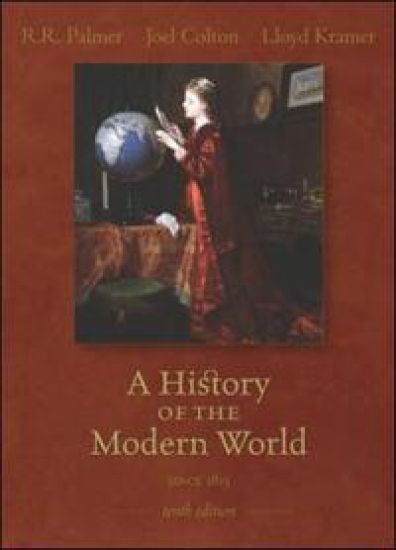
A History of the Modern World, Volume 2, with PowerWeb

A History of the Modern World, Volume 2, with PowerWeb

R. R. Palmer; Joel Colton; Lloyd Kramer

McGraw-Hill Professional
2006
nidottu
A History of the Modern World is a careful, well-written narrative of major events from the late Middle Ages to the political and religious conflicts at the beginning of the twenty-first century. It offers a wide-ranging survey that helps readers understand both the complexities of great events (e.g., the French Revolution, the First World War, or the collapse of great imperial systems) and the importance of historical analysis. It also provides a careful summary of the modern political changes that have affected the social and cultural development of all modern cultures. Throughout the book's lifetime, A History of the Modern World has been hailed as an elegantly written historical narrative, filled with analysis and balanced historical insights as well as its traditional attention to the processes of historical change, conflict, and political transformations. The tenth edition has been updated to include the clear maps, the survey of global economic connections, the chronologies, the illustrations, and the up-to-date bibliographies that today's students need and expect.
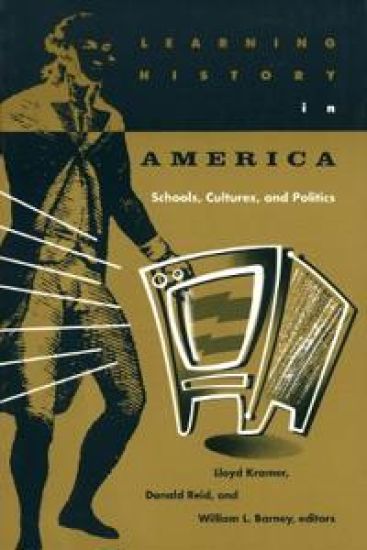
Learning History in America

Learning History in America

Lloyd Kramer

University of Minnesota Press
1994
nidottu
Hotly debated, attacked, and defended, multiculturalism has become a pervasive topic in contemporary American society, especially in the nation's schools. Despite its merits in bringing questions about ethnic diversity and national unity to the fore, this debate sorely lacks historical perspective, a shortcoming that Learning History in America seeks to correct. As it extends recent discussions about multiculturalism into the sphere of contemporary historical understanding, this book sets out explicitly to explore the practical and theoretical implications of these discussions for people who learn and teach history in the United States. Mary Beth Norton, Dominick LaCapra, Ariel Dorfman, and Frances FitzGerald are among the authors gathered here, all of whom share a concern over how Americans learn the history of both their own society and other cultures in the world. University and secondary-school teachers, political journalists and textbook authors, an analyst of historical films, and a novelist, these writers use their personal experiences to analyze problems of historical understanding in American classrooms, popular films, and political conflicts. Drawing on new forms of historical knowledge and stressing the historical processes that create this knowledge, their essays recommend new ways to teach history in the academic curriculum, suggest critical perspectives for viewing the historical "lessons" conveyed by films or politicians, and insist on the important role that history-and historians-should play in public culture.