Kirjojen hintavertailu – 12 859 819 kirjaa ja 27 kauppaa

Kirjailija

Loren D. Marks

Kirjat ja teokset yhdessä paikassa: 6 kirjaa, julkaisuja vuosilta 2011–2025, suosituimpiin kuuluu Religion and Families. Vertaile teosten hintoja ja tarkista saatavuus suomalaisista kirjakaupoista.

6 kirjaa

Kirjojen julkaisuvuodet: 2011–2025.

Psychology of Religion and Families

Psychology of Religion and Families

Loren D. Marks; David C. Dollahite

TAYLOR FRANCIS LTD
2025
nidottu
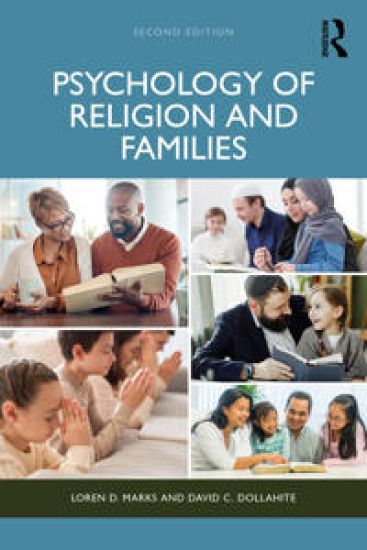
Now in its second edition, this multidisciplinary text addresses the growing scholarly connection between religion and family life while offering an accurate and engaging account of why and how families are impacted by their religion. This updated volume integrates the social science literature from family studies, psychology, sociology, and religion with narratives drawn from in-depth interviews with 300 racially, religiously, and regionally diverse families that bring the concepts to life. Written in a thought-provoking, accessible style by two of the leading researchers in the field, this book reflects the author’s first-hand experience in teaching today’s students about religion’s influence on families. This book examines Christianity, Judaism, and Islam, addresses the impact of religious involvement on longevity, divorce rates, and parenting styles, and considers demographic, family, couple, and individual-level data that relate to prayer and other sacred practices. New chapters explore:The Conflicts, Struggle, and Stressors of ReligionRacial and Ethnic Minorities and ReligionReligion, Sex, and Gender Roles in MarriagePedagogical features include boldfaced key terms defined in the glossary, text boxes, chapter conclusions, summary points, and review questions. Intended as a text for undergraduate courses in family and religion, the psychology or sociology of the family, the psychology or sociology of religion, pastoral/biblical counseling, or family and youth ministry, taught in human development and family studies, psychology, sociology, religion, social work, pastoral counseling, and philosophy, this book is also relevant to family therapists and counselors.
Psychology of Religion and Families

Psychology of Religion and Families

Loren D. Marks; David C. Dollahite

TAYLOR FRANCIS LTD
2025
sidottu
Now in its second edition, this multidisciplinary text addresses the growing scholarly connection between religion and family life while offering an accurate and engaging account of why and how families are impacted by their religion. This updated volume integrates the social science literature from family studies, psychology, sociology, and religion with narratives drawn from in-depth interviews with 300 racially, religiously, and regionally diverse families that bring the concepts to life. Written in a thought-provoking, accessible style by two of the leading researchers in the field, this book reflects the author’s first-hand experience in teaching today’s students about religion’s influence on families. This book examines Christianity, Judaism, and Islam, addresses the impact of religious involvement on longevity, divorce rates, and parenting styles, and considers demographic, family, couple, and individual-level data that relate to prayer and other sacred practices. New chapters explore:The Conflicts, Struggle, and Stressors of ReligionRacial and Ethnic Minorities and ReligionReligion, Sex, and Gender Roles in MarriagePedagogical features include boldfaced key terms defined in the glossary, text boxes, chapter conclusions, summary points, and review questions. Intended as a text for undergraduate courses in family and religion, the psychology or sociology of the family, the psychology or sociology of religion, pastoral/biblical counseling, or family and youth ministry, taught in human development and family studies, psychology, sociology, religion, social work, pastoral counseling, and philosophy, this book is also relevant to family therapists and counselors.
Religion and Families

Religion and Families

Loren D. Marks; David C. Dollahite

Routledge
2016
sidottu
This is the first multidisciplinary text to address the growing scholarly connection between religion and family life. The latest literature from family studies, psychology, sociology, and religion is reviewed along with narratives drawn from interviews with 200 racially, religiously, and regionally diverse families which bring the concepts to life. Written in a thought-provoking, accessible, and sometimes humorous style by two of the leading researchers in the field, the book reflects the authors’ firsthand experience in teaching today’s students about religion’s impact on families. Prior to writing the book, the authors read the sacred texts of many faiths, interviewed religious leaders, and attended religious services for a wide array of faiths. The result is an accurate and engaging account of why and how families are impacted by their religion. The pedagogical features of the text include boldfaced key terms defined in the glossary, text boxes, chapter conclusions, summary points, and review questions. Religion and Families:Examines several denominations within Christianity, Judaism, and Islam. Reviews findings from racially and ethnically diverse families, from traditional and diverse family forms, and examines gender and life-course issues. Addresses the impact of one’s religious involvement on longevity, divorce rates, and parenting styles. Considers demographic, family-, couple-, and individual-level data that relate to prayer and other sacred practices. Presents a balanced treatment of the latest research and a new model for studying family and religion. Explores the "whys," "hows," and processes at work in the religion-family connection. The book opens with a discussion of why religion and family connections matter. Chapter 2 defines religion and presents a new conceptualization of religion. Empirical research connections between religion and marriage, divorce, family, and parent-child relationships are explored in chapters 3 through 6. The interface between religion and the family in Christianity, Judaism, and Islam are reviewed in chapters 7, 8, and 9. Chapter 10 explores the unique challenges that religion presents for diverse family forms. Prayer as a coping mechanism for life’s challenges such as death and disability are explored in chapter 11. Chapter 12 examines forgiveness in the context of marriages and families. The book concludes with a review of the book’s most important themes and findings. Intended as a text for undergraduate courses in family and religion, the psychology or sociology of the family, the psychology or sociology of religion, pastoral/biblical counseling, or family and youth ministry, taught in human development and family studies, psychology, sociology, religion, social work, pastoral counseling, and sometimes philosophy. This book also appeals to family therapists and counselors.
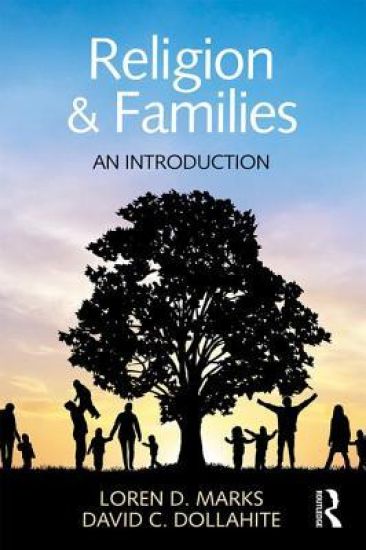
Religion and Families

Religion and Families

Loren D. Marks; David C. Dollahite

Routledge
2016
nidottu
This is the first multidisciplinary text to address the growing scholarly connection between religion and family life. The latest literature from family studies, psychology, sociology, and religion is reviewed along with narratives drawn from interviews with 200 racially, religiously, and regionally diverse families which bring the concepts to life. Written in a thought-provoking, accessible, and sometimes humorous style by two of the leading researchers in the field, the book reflects the authors’ firsthand experience in teaching today’s students about religion’s impact on families. Prior to writing the book, the authors read the sacred texts of many faiths, interviewed religious leaders, and attended religious services for a wide array of faiths. The result is an accurate and engaging account of why and how families are impacted by their religion. The pedagogical features of the text include boldfaced key terms defined in the glossary, text boxes, chapter conclusions, summary points, and review questions. Religion and Families:Examines several denominations within Christianity, Judaism, and Islam. Reviews findings from racially and ethnically diverse families, from traditional and diverse family forms, and examines gender and life-course issues. Addresses the impact of one’s religious involvement on longevity, divorce rates, and parenting styles. Considers demographic, family-, couple-, and individual-level data that relate to prayer and other sacred practices. Presents a balanced treatment of the latest research and a new model for studying family and religion. Explores the "whys," "hows," and processes at work in the religion-family connection. The book opens with a discussion of why religion and family connections matter. Chapter 2 defines religion and presents a new conceptualization of religion. Empirical research connections between religion and marriage, divorce, family, and parent-child relationships are explored in chapters 3 through 6. The interface between religion and the family in Christianity, Judaism, and Islam are reviewed in chapters 7, 8, and 9. Chapter 10 explores the unique challenges that religion presents for diverse family forms. Prayer as a coping mechanism for life’s challenges such as death and disability are explored in chapter 11. Chapter 12 examines forgiveness in the context of marriages and families. The book concludes with a review of the book’s most important themes and findings. Intended as a text for undergraduate courses in family and religion, the psychology or sociology of the family, the psychology or sociology of religion, pastoral/biblical counseling, or family and youth ministry, taught in human development and family studies, psychology, sociology, religion, social work, pastoral counseling, and sometimes philosophy. This book also appeals to family therapists and counselors.
Sacred Matters

Sacred Matters

Wesley R. Burr; Loren D. Marks; Randal D. Day

Routledge
2011
nidottu
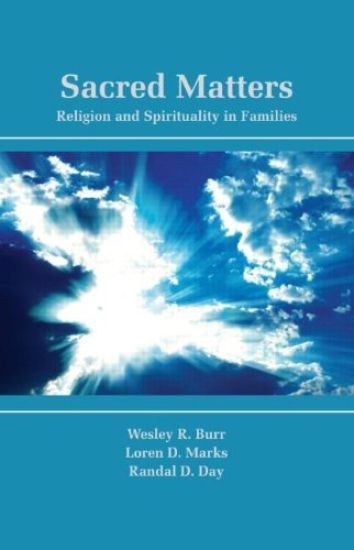
Sacred Matters explores the multi-disciplinary literature about the role of religion in family life and provides new research and a new theory about ways various aspects of the sacred are helpful and harmful. The authors hope that their new conceptual framework will stimulate new research and encourage the creation of new intervention programs designed to help families. Sacred Matters features:a new conceptual framework and theory about how, when, and why sacred matters influence family processes and outcomesnew qualitative and quantitative research collected in a variety of ways from people with different religious perspectives in different geographical areasan expansion in theory and research about the role of forgiveness, sacrifice, prayer, and sanctification in family lifethe integration of studies and issues from psychology, sociology, family studies, anthropology, and religion. This book raises the bar in creating new theories about family processes and in the integration of theory, research, and application. It begins with a review of the previous literature and then expands the research about sanctification to create a new general theory (or model) about ways sacred processes help and hinder families. Next the authors expand the theory and research about the role of forgiveness, sacrifice, and prayer in families. New theory and research are then added about loving, coping with conflict, dealing with undesirable behavior, generational relationships, morality, and the psychosocial aspects of religion. The authors then describe ways sacred theory can be integrated with other theories and ways it provides new explanations about broader social problems. The book concludes with new quantitative research and suggestions for future research. Researchers, practitioners, and advanced students in several disciplines will find this volume valuable. It will expand and enrich the reading in graduate and advanced undergraduate courses in areas such as family studies, human development, marriage and family therapy, the psychology of the family and the psychology of religion, the sociology of the family and the sociology of religion, pastoral counseling, anthropology, and social work.
Sacred Matters

Sacred Matters

Wesley R. Burr; Loren D. Marks; Randal D. Day

Routledge
2011
sidottu
Sacred Matters explores the multi-disciplinary literature about the role of religion in family life and provides new research and a new theory about ways various aspects of the sacred are helpful and harmful. The authors hope that their new conceptual framework will stimulate new research and encourage the creation of new intervention programs designed to help families. Sacred Matters features:a new conceptual framework and theory about how, when, and why sacred matters influence family processes and outcomesnew qualitative and quantitative research collected in a variety of ways from people with different religious perspectives in different geographical areasan expansion in theory and research about the role of forgiveness, sacrifice, prayer, and sanctification in family lifethe integration of studies and issues from psychology, sociology, family studies, anthropology, and religion. This book raises the bar in creating new theories about family processes and in the integration of theory, research, and application. It begins with a review of the previous literature and then expands the research about sanctification to create a new general theory (or model) about ways sacred processes help and hinder families. Next the authors expand the theory and research about the role of forgiveness, sacrifice, and prayer in families. New theory and research are then added about loving, coping with conflict, dealing with undesirable behavior, generational relationships, morality, and the psychosocial aspects of religion. The authors then describe ways sacred theory can be integrated with other theories and ways it provides new explanations about broader social problems. The book concludes with new quantitative research and suggestions for future research. Researchers, practitioners, and advanced students in several disciplines will find this volume valuable. It will expand and enrich the reading in graduate and advanced undergraduate courses in areas such as family studies, human development, marriage and family therapy, the psychology of the family and the psychology of religion, the sociology of the family and the sociology of religion, pastoral counseling, anthropology, and social work.