
Kirjojen hintavertailu – 12 903 725 kirjaa ja 27 kauppaa

Kirjailija

Lori Brusman Lovins

Kirjat ja teokset yhdessä paikassa: 2 kirjaa, julkaisuja vuosilta 2018–2019, suosituimpiin kuuluu Teaching Introduction to Corrections. Vertaile teosten hintoja ja tarkista saatavuus suomalaisista kirjakaupoista.

Nimi esiintyy myös muodoissa: Lori Brusman-Lovins

2 kirjaa

Kirjojen julkaisuvuodet: 2018–2019.

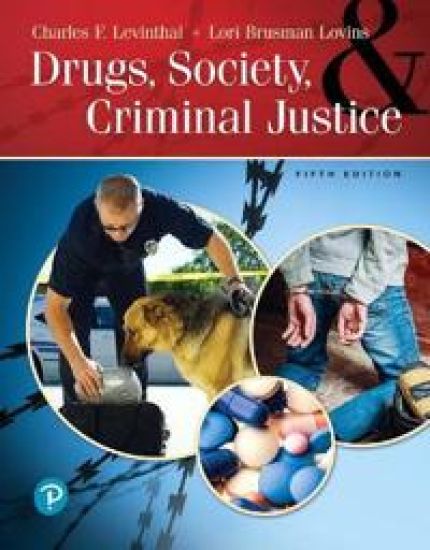
Drugs, Society and Criminal Justice

Drugs, Society and Criminal Justice

Charles Levinthal; Lori Brusman-Lovins

Pearson
2019
nidottu
For courses in drugs and alcohol in criminal justice. The social impact of drug abuse, through a criminal justice lensDrugs, Society, and Criminal Justice is a comprehensive, easy-to-read introduction to drug-taking behavior and its impact on the criminal justice system. Building on sociological theory, the authors explore the social problems associated with drug abuse, a range of drug-control policies and their enactment, and the complex relationship between drug-¿taking behavior and crime. The 5th edition has been extensively updated, with a brand-new Part II focused on criminal justice topics related to drug abuse and drug law. This edition also includes chapter-level reorganizations throughout the text and updated features prompting discussion, assignments, and deeper comprehension.
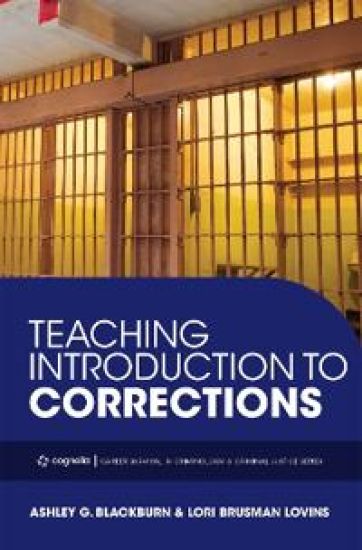
Teaching Introduction to Corrections

Teaching Introduction to Corrections

Ashley G. Blackburn; Lori Brusman Lovins

Cognella, Inc
2018
nidottu
Teaching Introduction to Corrections provides instructors of introductory corrections courses with effective teaching tools and practical advice to better engage students and support meaningful classroom experiences. The book begins by defining corrections, addressing the potential challenges in teaching a course in corrections, and providing guidelines and advice for teaching the subject. The proceeding chapters help instructors design a meaningful course, develop learning outcomes, select a textbook, prepare for the first day of class, and consider ways in which to build rapport with students. Readers learn how to incorporate supplemental content, including readings and media, into their curriculum. They discover various teaching and learning methods that can positively impact learning, as well as different approaches to student assessment. The book concludes with chapters devoted to alternative teaching mediums, including hybrid and online courses, and the measurement of teaching effectiveness. Filled to the brim with useful information and valuable guidance, Teaching Introduction to Corrections is an ideal resource for instructors who are new to teaching courses in corrections.