
Kirjojen hintavertailu – 12 903 735 kirjaa ja 27 kauppaa

Kirjailija

Lorraine Carlos Salazar

Kirjat ja teokset yhdessä paikassa: 2 kirjaa, julkaisuja vuosilta 2007–2010, suosituimpiin kuuluu The Gulf Cooperation Council. Vertaile teosten hintoja ja tarkista saatavuus suomalaisista kirjakaupoista.

2 kirjaa

Kirjojen julkaisuvuodet: 2007–2010.

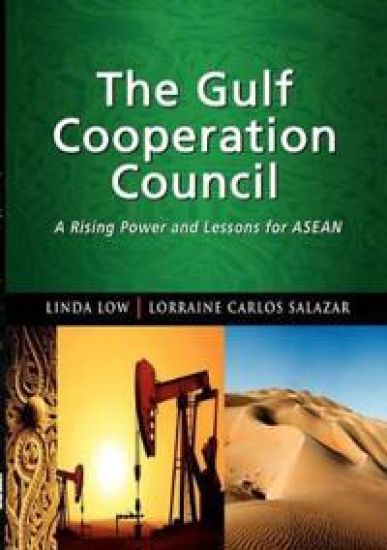
The Gulf Cooperation Council

The Gulf Cooperation Council

Linda Low; Lorraine Carlos Salazar

ISEAS
2010
nidottu
The Gulf Cooperation Council (GCC) is comprised of Bahrain, Kuwait, Oman, Qatar, Saudi Arabia and the United Arab Emirates. Possessing a significant share of the world’s oil and gas reserves and including some of the world’s fastest growing economies, the GCC is a significant regional grouping. As with the Association of Southeast Asian Nations (ASEAN), the council has made significant progress towards economic integration. Seeking to draw out lessons applicable to ASEAN, this report looks at the structure and evolution of the GCC. This includes the context within which the Council was established, its rationale and economic importance. It then follows the organization’s development over time, paying particular importance to its progress from Customs Union and Common Market towards Monetary Union. The report then sets out the key challenges ahead for the Council and concludes by highlighting the structural, organizational and political lessons that resonate with ASEAN and its membership.

Getting a Dial Tone

Getting a Dial Tone

Lorraine Carlos Salazar

Institute of Southeast Asian Studies
2007
sidottu
A decade after the above quote, far reaching reforms in the telecommunications sector has dramatically changed the situation in both the Philippines and Malaysia. By looking at the institutions and actors that drove these changes, this book examines state capacity, market reform, and rent-seeking in the two countries. In doing so, the study challenges conventional depictions of the Malaysian and Philippine states. In Malaysia, although considered a strong state, patronage and rent-seeking played key roles in policy adoption and implementation.