Kirjojen hintavertailu – 12 903 725 kirjaa ja 27 kauppaa
Kirjailija
Lorraine Mepham
Kirjat ja teokset yhdessä paikassa: 3 kirjaa, julkaisuja vuosilta 2011–2022, suosituimpiin kuuluu Imperial College Sports Grounds and RMC Land, Harlington. Vertaile teosten hintoja ja tarkista saatavuus suomalaisista kirjakaupoista.
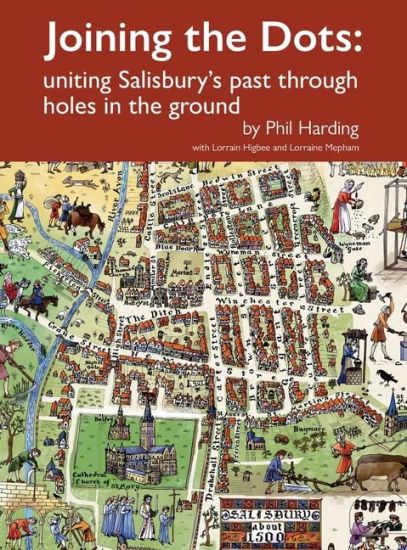
Salisbury is renowned for its superb medieval cathedral and planned city centred on its market. Traces of timber-framed buildings, which served as homes for countless generations of Salisbury occupants, still remain. The lives of these former residents can now start to be reconstructed from the archaeological evidence as parts of the city have been redeveloped. Foundations of former houses can be matched with upstanding buildings to reconstruct the appearance of medieval Salisbury. The everyday lives, health, diet, occupations and social status of the residents can be illustrated using pottery, animal bones and food remains referencing how the urban population integrated with communities in rural areas. This volume attempts to bring these diverse strands of archaeological evidence together for the first time to tell the story of this cathedral city and its residents through its engaging past.
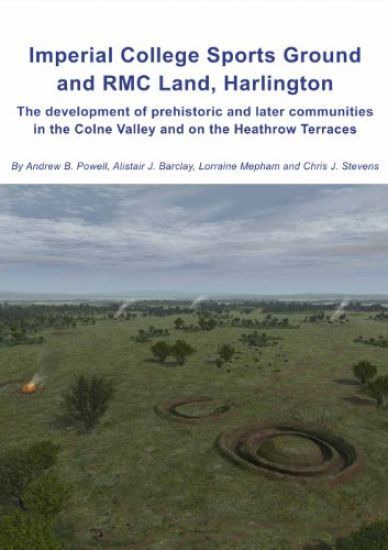
This volume brings together the results from the excavations at the former Imperial College Sports Ground, RMC Land and Land East of Wall Garden Farm, near the villages of Harlington and Sipson in the London Borough of Hillingdon. The excavations revealed parts of an archaeological landscape with a rich history of development from before 4000 BC to the post-medieval period. The opportunity to investigate two large areas of this landscape provided evidence for possible settlement continuity and shift over a period of 6000 years. Early to Middle Neolithic occupation was represented by a rectangular ditched mortuary enclosure and a large spread of pits, many containing deposits of Peterborough Ware pottery, flint and charred plant remains. A possible dispersed monument complex of three hengiform enclosures was associated with the rare remains of cremation burials radiocarbon dated to the Middle Neolithic. Limited Late Neolithic and Early Bronze Age activity was identified, which is in stark contrast to the Middle to Late Bronze Age when a formalised landscape of extensive rectangular fields, enclosures, wells and pits was established. This major reorganised land division can be traced across the two sites and over large parts of the adjacent Heathrow terraces. A small, Iron Age and Romano-British nucleated settlement was constructed, with associated enclosures flanking a trackway. There were wayside inhumations, cremation burials and middens and more widely dispersed wells and quarries. Two possible sunken-featured buildings of early Saxon date were found. There was also a small cemetery. Subsequently, a middle Saxon and medieval field system of small enclosures and wells was established.
The detailed specialist reports in this volume cover all the Saxon and later finds recovered during the reported excavations, including human bone and animal bone, and environmental remains and dating evidence relating to contemporary landscape, subsistence and economy. Fifth to early 6th-century pottery was recovered from the Northfleet villa site, including from demolition layers over the Roman buildings, nine sunken-featured buildings and the area of the Saxon mill. The metal small finds come largely from 36 graves in two cemeteries, which contained 30 individuals. A small quantity of smithing slag was recovered as well as ceramic building material, fired clay and daub and objects of bone. A wooden bowl and a very early example of a wood plane are unusual finds. The animal bone assemblage is largely comprised of domestic animals indicating mixed farming supplemented by a little hunting and with charred plant remains from locally grown crops.