Kirjojen hintavertailu – 12 859 818 kirjaa ja 27 kauppaa

Kirjailija

Lotte Buch Segal

Kirjat ja teokset yhdessä paikassa: 4 kirjaa, julkaisuja vuosilta 2009–2025, suosituimpiin kuuluu Klassiske og moderne antropologiske tænkere. Vertaile teosten hintoja ja tarkista saatavuus suomalaisista kirjakaupoista.

4 kirjaa

Kirjojen julkaisuvuodet: 2009–2025.

Klassiske og moderne antropologiske tænkere

Klassiske og moderne antropologiske tænkere

Kirsten Hastrup; Hanne Overgaard Mogensen; Lisanne Wilken; Lotte Meinert; Sally Anderson; Susan Reynolds Whyte; Tine Gammeltoft; Christopher Gad; Helene Risør; Heiko Henkel; Mikkel Bille; Nete Schwennesen; Janne Flora; Siri Schwabe; Kasper Tang Vangkilde; Edvard Hviding; Inger Sjørslev; Theodorus Hendrikus Otto; Thomas Hylland Eriksen; Steffen Dalsgaard; Lotte Buch Segal; Gisli Pálsson; Frida Hastrup; Marianne Elisabeth Lien; Ayo Wahlberg

Gyldendal
2020
nidottu
Klassiske og moderne antropologiske tænkere er en indføring i den særlige tænkning, som antropologien har fostret. Antropologien voksede ud af en stigende interesse for at forstå den globale mangfoldighed i slutningen af det 19. århundrede, hvor hele verden var kendt og opmålt. Samtidig vidste man stadig meget lidt om, hvordan enkeltsamfund hang sammen. Det blev der rådet bod på gennem det etnografiske feltarbejde, der opstod som en ny videnskabelig metode. Det direkte møde med andre former for samfundsliv og måder at ræsonnere på lagde grunden til en særegen antropologisk tænkestil, der udfolder sig mellem konkrete detaljer og generelle begreber. I bogen præsenteres centrale antropologers arbejder gennem intellektuelle portrætter af Franz Boas, Marcel Mauss, Knud Rasmussen, Margaret Mead, Claude Lévi-Strauss, Gregory Bateson, Mary Douglas, Talal Asad, Marilyn Strathern, Bruno Latour, Anna Tsing og mange flere. Klassiske og moderne antropologiske tænkere er skrevet af antropologer fra danske, norske og islandske universiteter og er redigeret af professor emeritus Kirsten Hastrup. Bogens opbygning er enkel: Tænkerne er kronologisk ordnet efter deres fødselsår. Fødselsåret forklarer naturligvis ikke tænkningen, men det er tydeligt, at hver enkelt tænker afspejler sin tid; lige så tydeligt er det, at afspejlingen hverken er mekanisk eller uniform, og at begreber kan trække lange spor i historien. Det, der forbinder kapitlerne med hinanden, er afsættet i konkrete samfund. Bogen viser således at “klassisk” og “moderne” ikke er entydigt tidslige kategorier. Specifikke feltarbejder finder sted på bestemte tider, men de kan omsættes i mangfoldige senere læsninger. Bogen er relevant for læsere inden for alle samfundsvidenskabelige studier såvel som inden for humanistiske studier, som ønsker at forstå og udfordres på begreber som kultur, natur, globalisering, slægtskab, udveksling og meget mere. Et kortfattet overblik, der introducerer hvert kapitel, en fyldig litteraturliste og et omfattende navne- og emneregister gør bogen anvendelig som opslagsværk og som redskab for litteratursøgning.
No Place for Grief

No Place for Grief

Lotte Buch Segal

UNIVERSITY OF PENNSYLVANIA PRESS
2025
pokkari

Halvin toimitettuna 32,50 €

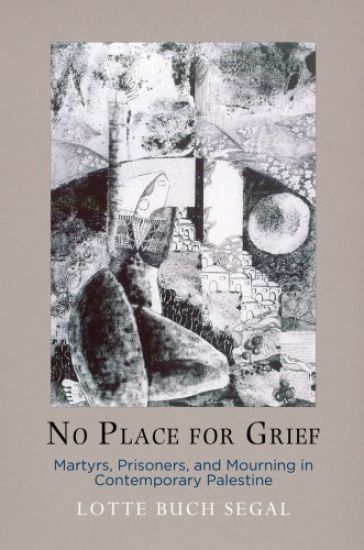
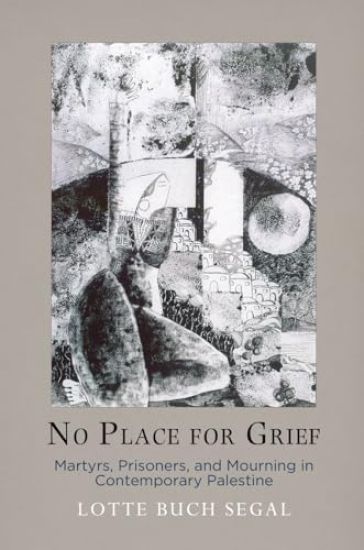
Advances an understanding of loss, mourning, and grief in contemporary Palestine Westerners 'know' Palestine through images of war and people in immediate distress. Yet this focus has as its consequence that other, less spectacular stories of daily distress are rarely told. Those seldom noticed are the women behind the men who engage in armed resistance against the military occupation: wives of the Palestinian prisoners in Israeli detention and the widows of the martyrs. In Palestine, being related to a detainee serving a sentence for participation in the resistance activities against Israel is a source of pride. Consequently, the wives of detainees are expected to sustain these relationships through steadfast endurance, no matter the effects upon the marriage or family. Often people, media, and academic studies address the dramatic violence and direct affliction of the Palestinians. Lotte Buch Segal takes a different approach, and offers a glimpse of the lives, and the contradictory emotions, of the families of both detainees and martyrs through an in-depth ethnographic investigation. No Place for Grief asks us to think about what it means to grieve when that which is grieved does not lend itself to a language of loss and mourning. What does it mean to "endure" when ordinary life is engulfed by the emotional labor required to withstand the pressures placed on Palestinian families by sustained imprisonment and bereavement? Despite an elaborate repertoire of narrative styles, laments, poetry, and performance of bodily gestures through which mourning can be articulated, including the mourning tied to a political cause, Buch Segal contends that these forms of expression are inadequate to the sorrow endured by detainees' wives. No Place for Grief reveals a new language that describes the entanglement of absence and intimacy, endurance and everyday life, and advances an understanding of loss, mourning, and grief in contemporary Palestine.
No Place for Grief

No Place for Grief

Lotte Buch Segal

University of Pennsylvania Press
2016
sidottu
Advances an understanding of loss, mourning, and grief in contemporary Palestine Westerners 'know' Palestine through images of war and people in immediate distress. Yet this focus has as its consequence that other, less spectacular stories of daily distress are rarely told. Those seldom noticed are the women behind the men who engage in armed resistance against the military occupation: wives of the Palestinian prisoners in Israeli detention and the widows of the martyrs. In Palestine, being related to a detainee serving a sentence for participation in the resistance activities against Israel is a source of pride. Consequently, the wives of detainees are expected to sustain these relationships through steadfast endurance, no matter the effects upon the marriage or family. Often people, media, and academic studies address the dramatic violence and direct affliction of the Palestinians. Lotte Buch Segal takes a different approach, and offers a glimpse of the lives, and the contradictory emotions, of the families of both detainees and martyrs through an in-depth ethnographic investigation. No Place for Grief asks us to think about what it means to grieve when that which is grieved does not lend itself to a language of loss and mourning. What does it mean to "endure" when ordinary life is engulfed by the emotional labor required to withstand the pressures placed on Palestinian families by sustained imprisonment and bereavement? Despite an elaborate repertoire of narrative styles, laments, poetry, and performance of bodily gestures through which mourning can be articulated, including the mourning tied to a political cause, Buch Segal contends that these forms of expression are inadequate to the sorrow endured by detainees' wives. No Place for Grief reveals a new language that describes the entanglement of absence and intimacy, endurance and everyday life, and advances an understanding of loss, mourning, and grief in contemporary Palestine.
Mellem mennesker

Mellem mennesker

Birgitte Refslund Sørensen; Cecilie Rubow; Kirsten Hastrup; Lotte Buch Segal; Bjarke Oxlund; Helene Risør; Anja Marie Bornø Jensen; Karsten Pærregaard; Helle Bundgaard; Charlotte Bredahl Jacobsen; Katrine Schepelern Johansen; Tine Tjørnhøj-Thomsen; Helle Ploug Hansen; Steffen Jöhncke; Heiko Henkel

Gyldendal
2009
sidottu
Mellem mennesker stiller skarpt på den etiske dimension i kvalitativ forskning og spørgsmålet om, hvordan man på én gang kan forholde sig videnskabeligt og etisk til de mennesker, man studerer. Bogen er baseret på praktiske eksempler og viser gennemgående, at en etisk praksis ikke alene er mere ansvarlig over for de mennesker, der studeres. Den giver også anledning til en mere dybtgående forståelse. Mellem mennesker er skrevet som en grundbog i antropologi, men er særdeles relevant for alle studier, hvor kvalitative undersøgelser spiller en rolle. Kirsten Hastrup er professor ved Institut for Antropologi ved Københavns Universitet.