Kirjojen hintavertailu – 12 903 725 kirjaa ja 27 kauppaa

Kirjailija

Louis Kraft

Kirjat ja teokset yhdessä paikassa: 5 kirjaa, julkaisuja vuosilta 2000–2020, suosituimpiin kuuluu The Discovery. Vertaile teosten hintoja ja tarkista saatavuus suomalaisista kirjakaupoista.

5 kirjaa

Kirjojen julkaisuvuodet: 2000–2020.

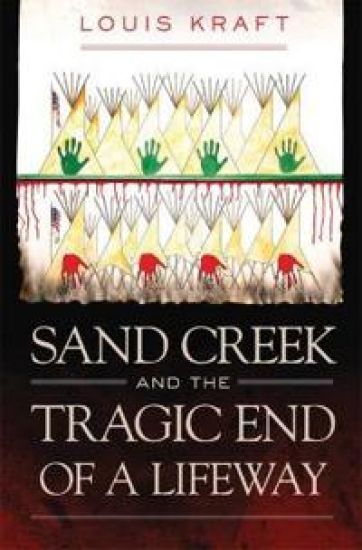
Sand Creek and the Tragic End of a Lifeway

Sand Creek and the Tragic End of a Lifeway

Louis Kraft

University of Oklahoma Press
2020
sidottu
Nothing can change the terrible facts of the Sand Creek Massacre. The human toll of this horrific event and the ensuing loss of a way of life have never been fully recounted until now. In Sand Creek and the Tragic End of a Lifeway, Louis Kraft tells this story, drawing on the words and actions of those who participated in the events at this critical time. The history that culminated in the end of a lifeway begins with the arrival of Algonquin-speaking peoples in North America, proceeds through the emergence of the Cheyennes and Arapahos on the Central Plains, and ends with the incursion of white people seeking land and gold. Beginning in the earliest days of the Southern Cheyennes, Kraft brings the voices of the past to bear on the events leading to the brutal murder of people and its disastrous aftermath. Through their testimony and their deeds as reported by contemporaries, major and supporting players give us a broad and nuanced view of the discovery of gold on Cheyenne and Arapaho land in the 1850s, followed by the land theft condoned by the U. S. government. The peace treaties and perfidy, the unfolding massacre and the investigations that followed, the devastating end of the Indians' already-circumscribed freedom - all are revealed through the eyes of government officials, newspapers, and the military; Cheyennes and Arapahos who sought peace with or who fought Anglo-Americans; whites and Indians who intermarried and their offspring; and whites who dared to question what they considered heinous actions. As instructive as it is harrowing, the history recounted here lives on in the telling, along with a way of life destroyed in all but cultural memory. To that memory this book gives eloquent, resonating voice.
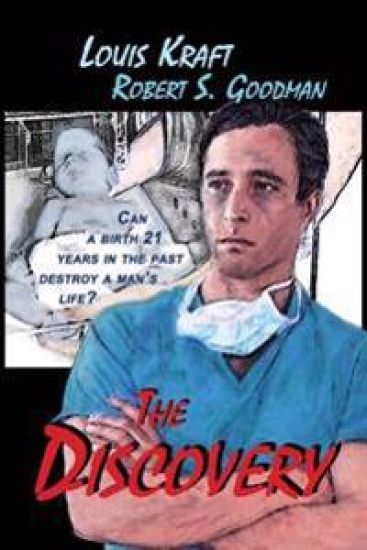
The Discovery

The Discovery

Robert S. Goodman; Louis Kraft

Createspace Independent Publishing Platform
2016
nidottu
Harry Chapman, a physician beginning his career, delivered a young indigent woman's child in 1952. Facts about that birth remained dormant for 20 years. But then, in 1972, an unexpected encounter set in motion a number of events that would impact Chapman's life, and in ways he never imagined possible. By now, Harry is a successful and honored physician, and perhaps the top OB/GYN practitioner in Los Angeles. Although unknown to him, his world would begin to fall apart when Greg Weston, a young man he doesn't know, is persuaded by girlfriend Gail Gordon to explore his past-that is, being blind at birth. Greg works for a law firm and knows how to obtain documents. What he discovers infuriates him and he presses forward and presents what he has found to his boss, Hal Winslow, a top malpractice lawyer. Winslow agrees that they have a case, and this initiates a domino effect that will affect a number of lives. Most notably Harry Chapman but also his wife Helen and their family; Harry's best friend and lawyer, Sid Shapiro; golf pro Phil Rogers; Greg's birth mother Laura Smith; and even Greg and Gail. ... As the case moves toward trial in Los Angeles Superior Court Chapman is shocked by the accusations and what he learns. Bad turns to worse, and Harry secures the services of top malpractice defense attorney Tom Loman, but this is just the beginning of what happened in 1952 for now millions of dollars are at stake. ... Add los Ni os, the most feared Latino street gang in Los Angeles, to the mix, and suddenly life includes a price tag. As the situation spirals out of control lives begin to fall apart; sex and even the consideration of murder enters the picture. Everything comes down to Harry Chapman vs. Greg Weston with Judge Jason Kimberly presiding, and only one of them will emerge the victor. The Discovery is about conception, birth, a brilliant career, discovery, accusations, and shock. Moreover it is about people-good people-who face dire consequences if a court decision goes the wrong way. ... It is a medical thriller in the genre of Robin Cook's best selling books (such as Cell) with one difference. Instead of a character-driven thriller that confronts the evils of medicine or pharmaceuticals, it is about a doctor and his wife at the crossroad of their lives.
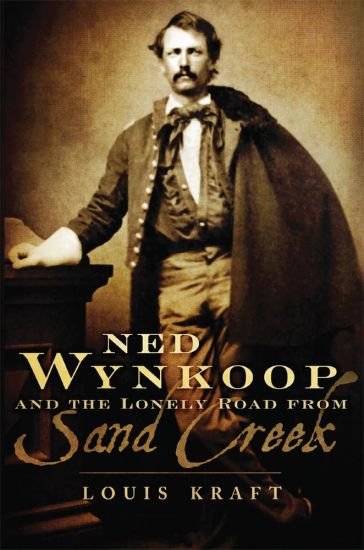
Ned Wynkoop and the Lonely Road from Sand Creek

Ned Wynkoop and the Lonely Road from Sand Creek

Louis Kraft

University of Oklahoma Press
2015
nidottu
When Edward W. Wynkoop arrived in Colorado Territory during the 1858 gold rush, he was one of many ambitious newcomers seeking wealth in a promising land mostly inhabited by American Indians. After he worked as a miner, sheriff, bartender, and land speculator, Wynkoop's life drastically changed after he joined the First Colorado Volunteers to fight for the Union during the Civil War. This sympathetic but critical biography centers on his subsequent efforts to prevent war with Indians during the volatile 1860s. A central theme of Louis Kraft's engaging narrative is Wynkoop's daring in standing up to Anglo-Americans and attempting to end the 1864 Indian war. The Indians may have been dangerous enemies obstructing ""progress,"" but they were also human beings. Many whites thought otherwise, and at daybreak on November 29, 1864, the Colorado Volunteers attacked Black Kettle's sleeping camp. Upon learning of the disaster now known as the Sand Creek Massacre, Wynkoop was appalled and spoke out vehemently against the action. Many of his contemporaries damned his views, but Wynkoop devoted the rest of his career as a soldier and then as a U. S. Indian agent to helping Cheyennes and Arapahos to survive. The tribes' lifeways still centered on the dwindling herds of buffalo, but now they needed guns to hunt. Kraft reveals how hard Wynkoop worked to persuade the Indian Bureau to provide the tribes with firearms along with their allotments of food and clothing - a hard sell to a government bent on protecting white settlers and paving the way for American expansion. In the wake of Sand Creek, Wynkoop strove to prevent General Winfield Scott Hancock from destroying a Cheyenne-Sioux village in 1867, only to have the general ignore him and start a war. Fearing more innocent people would die, Wynkoop resigned from the Indian Bureau but, not long thereafter, receded into obscurity. Now, thanks to Louis Kraft, we may appreciate Wynkoop as a man of conscience who dared to walk between Indians and Anglo-Americans but was often powerless to prevent the tragic consequences of their conflict.
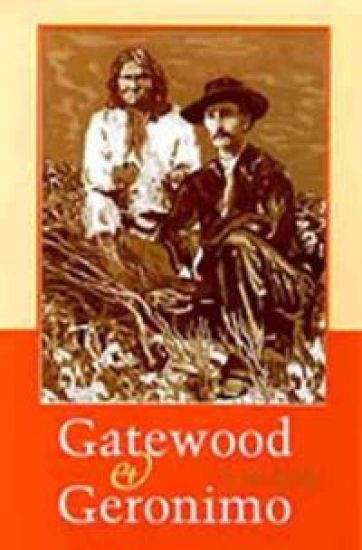
Gatewood and Geronimo

Gatewood and Geronimo

Louis Kraft

University of New Mexico Press
2000
nidottu
The two pre-eminent warriors of the Apache Wars between 1878 and 1886, Lieutenant Charles B Gatewood of the Sixth United States Cavalry and Chiricahua leader Geronimo, respected one another in peace and feared one another in war. Within two years of his posting to Arizona in 1878, Gatewood became the army's premier 'Apache man' as both a commander of Apache scouts and a reservation administrator, but his equitable treatment of Indians aroused the enmity of civilian and military detractors, and the army shunned him. Showing the depravity and desperation of the Apache wars, Louis Kraft dramatically recreates Gatewood's final mission and poignantly recalls the United States government's betrayal of the Chiricahuas, Geronimo, and Gatewood at the campaign's end.