Kirjojen hintavertailu – 12 903 725 kirjaa ja 27 kauppaa

Kirjailija

Louis Oppenheimer

Kirjat ja teokset yhdessä paikassa: 3 kirjaa, julkaisuja vuosilta 1992–2021, suosituimpiin kuuluu The Self-system. Vertaile teosten hintoja ja tarkista saatavuus suomalaisista kirjakaupoista.

3 kirjaa

Kirjojen julkaisuvuodet: 1992–2021.

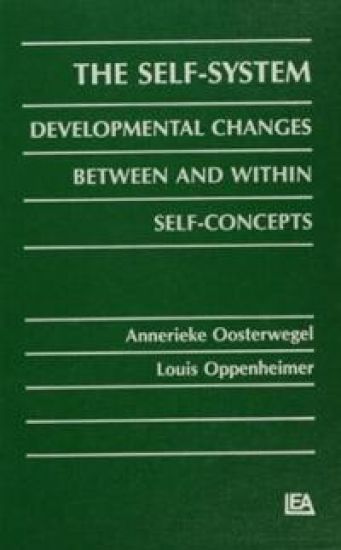
The Self-system

The Self-system

Annerieke Oosterwegel; Louis Oppenheimer

Routledge
2021
nidottu
This book presents a longitudinal study dealing with developmental changes within and between self-concepts and their relation to personal functioning. Within the psychological literature -- and the developmental literature in particular -- the interest in the ideas people hold about themselves and their relation with personal functioning is rapidly growing. This interest is reinforced by the emphasis on individuality in Western society. The self-system is now thought to consist of a collection of self-concepts in which a distinction is made between domain-specific self-concepts -- the real and ideal -- and context-related self-concepts -- the academic, the athletic and the social. It is also considered to be subjective rather than objective. This subjective self involves characteristics such as continuity and distinctiveness from others. These characteristics have been the primary focus of recent research. In existing literature on the development of the self-system, little is known about the structural characteristics -- that is, developmental changes in the interrelationships among domain-specific and context-related self-concepts, or between and within self-concepts. Similarly, little information is available about the relationships between individuals' real and ideal self concepts, their perceived concepts of others, and the actual ideas others have about the same individuals. This book integrates hitherto separate and different components or aspects of self-knowledge into one encompassing, multidimensional self-system.

How Children Understand War and Peace

How Children Understand War and Peace

Amiram Raviv; Louis Oppenheimer; Daniel Bar-Tal

Jossey-Bass Inc.,U.S.
1999
sidottu
How Children Understand War and Peace is a landmark book that examines these two vital questions and provides a solid framework on which to build answers. Written by an international panel of experts in the fields of developmental, social, and educational psychology, How Children Understand War and Peace presents a collection of the most current thoughts and insights into how children and adolescents develop an understanding of war, conflict, and peace. Based on research studies done in Australia, Canada, Finland, Holland, Israel, Portugal, Northern Ireland, Sweden, and the United States, this comprehensive volume presents evidence that perceptions of war and peace formed during childhood relate directly to adult perspectives on these critical issues. The contributors present persuasive evidence that our knowledge about how youngsters from around the globe develop and form worldviews can be used to create educational programs that teach children peace education, conflict management, and conflict resolution.
The Self-system

The Self-system

Annerieke Oosterwegel; Louis Oppenheimer

Psychology Press
1992
sidottu
This book presents a longitudinal study dealing with developmental changes within and between self-concepts and their relation to personal functioning. Within the psychological literature -- and the developmental literature in particular -- the interest in the ideas people hold about themselves and their relation with personal functioning is rapidly growing. This interest is reinforced by the emphasis on individuality in Western society. The self-system is now thought to consist of a collection of self-concepts in which a distinction is made between domain-specific self-concepts -- the real and ideal -- and context-related self-concepts -- the academic, the athletic and the social. It is also considered to be subjective rather than objective. This subjective self involves characteristics such as continuity and distinctiveness from others. These characteristics have been the primary focus of recent research. In existing literature on the development of the self-system, little is known about the structural characteristics -- that is, developmental changes in the interrelationships among domain-specific and context-related self-concepts, or between and within self-concepts. Similarly, little information is available about the relationships between individuals' real and ideal self concepts, their perceived concepts of others, and the actual ideas others have about the same individuals. This book integrates hitherto separate and different components or aspects of self-knowledge into one encompassing, multidimensional self-system.