Kirjailija
Louisa May Alcott
Kirjat ja teokset yhdessä paikassa: 1 912 kirjaa, julkaisuja vuosilta 1881–2027, suosituimpiin kuuluu Jo's Boys, And How They Turned Out. Vertaile teosten hintoja ja tarkista saatavuus suomalaisista kirjakaupoista.
1 912 kirjaa
Kirjojen julkaisuvuodet: 1881–2027.
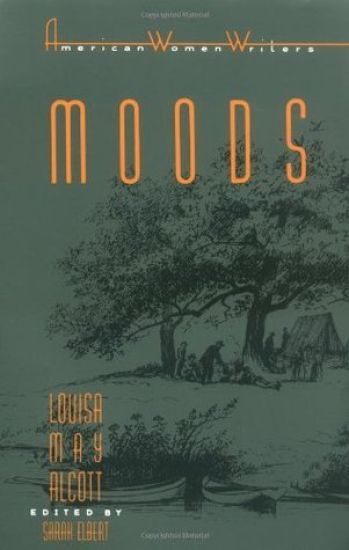
Moods, Louisa May Alcott's first novel was published in 1864, four years before the best-selling Little Women. The novel unconventionally presents a "little woman," a true-hearted abolitionist spinster, and a fallen Cuban beauty, their lives intersecting in Alcott's first major depiction of the "woman problem." Sylvia Yule, the heroine of Moods, is a passionate tomboy who yearns for adventure. The novel opens as she embarks on a river camping trip with her brother and his two friends, both of whom fall in love with her. These rival suitors, close friends, are modeled on Ralph Waldo Emerson and Henry Daniel Thoreau. Aroused, but still "moody" and inexperienced, Sylvia marries the wrong man. In the rest of the novel, Alcott attempts to resolve the dilemma she has created and leave her readers asking whether, in fact, there is a place for a woman such as Sylvia in a man's world. In 1882, eighteen years after the original publication, Alcott revised and republished the novel. Her own literary success and the changes she helped forge in women's lives now allowed her heroine to meet, as Alcott said, "a wiser if less romantic fate than in the former edition." This new volume contains the complete text of the 1864 Moods and Alcott's revisions for the 1882 version, along with explanatory notes by the editor. A critical introduction places Moods in the context of Alcott's own literary history and in the larger historical setting of nineteenth-century society and culture.
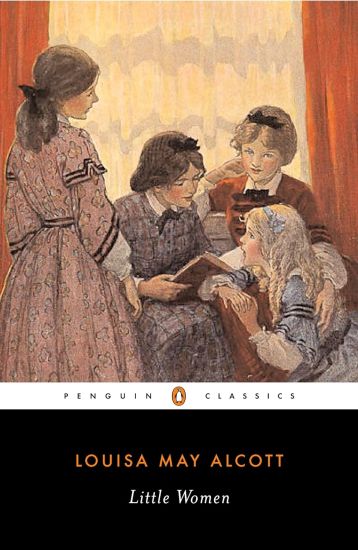
This Penguin Classics edition of Louisa May Alcott's inspiring tale of sisterhood, Little Women, is edited with an introduction by Elaine Showalter. The charming story of four 'little women' - Meg, Jo, Amy and Beth - and their wise and patient mother Marmee, was an instant success when first published in 1868. Enduring hardships and enjoying adventures in Civil War New England, the March sisters have been adored for generations. Readers have rooted for Laurie in his pursuit of Jo's hand, cried over little Beth's death, and dreamed of travelling through Europe with old Aunt March and Amy. Future writers have found inspiration in Jo's devotion to her writing. In this simple, enthralling tale, both parts of which are included here, Louisa May Alcott has created four of American literature's most beloved women. In her enlightening, thoughtful introduction, Elaine Showalter discusses Louisa May Alcott's influences, and her aspirations for Little Women, as well as the impact the novel has had on such women writers as Joyce Carol Oates and Cynthia Ozick. This edition also includes notes on the text by Siobhan Kilfeather and Vinca Showalter. Louisa May Alcott (1832-1888) grew up surrounded by American writers such as Ralph Waldo Emerson, Nathaniel Hawthorne, and Henry David Thoreau. Drawing on her experience as a volunteer nurse in the Union Army during the American Civil War, she published Hospital Sketches in 1863, followed by gothic romances and lurid thrillers such as A Modern Mephistopheles and A Long Fatal Love Chase. In 1868, she published Little Women, which proved so popular that it was followed by two sequels. If you enjoyed Little Women you might like Elizabeth Gaskell's Wives and Daughters, also available in Penguin Classics.
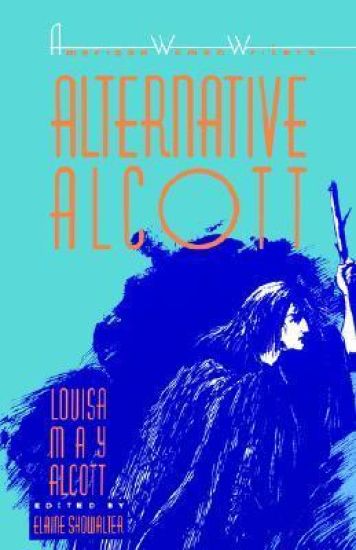
The discovery in recent years of Louisa May Alcott's pseudonymous sensation stories has made readers and scholars increasingly aware of her accomplishments beyond her most famous novel, Little Women, one of the great international best-sellers of all time. What has been recovered throws new light on the children's books and asks us to question our assumptions about the suposedly staid and sentimental Alcott. Alternative Alcott includes works never before reprinted, including "How I Went Out to Service," "My Contraband," and "Psyche's Art." It also contains Behind a Mask, her most important sensation story; the full and correct text of her last unfinished novel, Diana and Persis; "Transcendental Wild Oats"; Hospital Sketches; and Alcott's other important texts on nineteenth-century social history. This anthology brings together for the first time a variety of Louisa May Alcott's journalistic, satiric, feminist, and sensation texts. Elaine Showalter has provided an excellent introduction and notes to the collection.
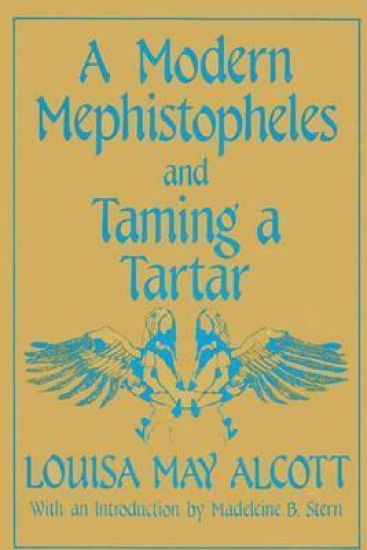
Louisa May Alcott has always been associated with literature for young adults and children. Here is in effect a new book by the universally popular Alcott, a book that reveals an altogether different image of one of America's best-loved authors. A Modern Mephistopheles began as a rejected sensational novel and was revised by Alcott for anonymous publication in 1877. Its subject, style, and language mark radical deviations from those expected of Alcott. Taming a Tartar is a newly discovered Alcott thriller. Originally published as a serialization in Frank Leslie's Illustrated Magazine, this astounding page-turner highlights Alcott's feminists leanings. This unique book marks the first general printing of an Alcott story and the first reprinting in some 75 years of a neglected Alcott novel. Both works are closely analyzed in the detailed introduction by Madeleine B. Stern.
A classic story of four young women who struggle to overcome the trials of keeping up appearences whilst battling poverty and awaiting news of the fate of their father who is fighting the Civil War.
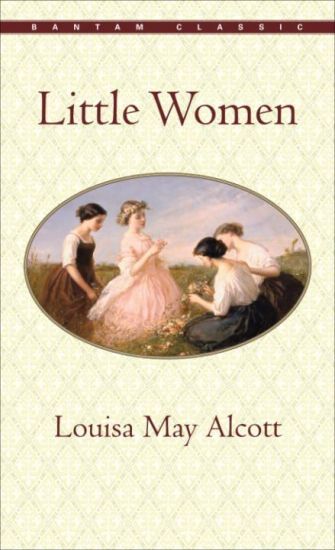
Little Women is one of the best loved books of all time. Lovely Meg, talented Jo, frail Beth, spoiled Amy: these are hard lessons of poverty and of growing up in New England during the Civil War. Through their dreams, plays, pranks, letters, illnesses, and courtships, women of all ages have become a part of this remarkable family and have felt the deep sadness when Meg leaves the circle of sisters to be married at the end of Part I. Part II, chronicles Meg's joys and mishaps as a young wife and mother, Jo's struggle to become a writer, Beth's tragedy, and Amy's artistic pursuits and unexpected romance. Based on Louise May Alcott's childhood, this lively portrait of nineteenth-century family life possesses a lasting vitality that has endeared it to generations of readers.

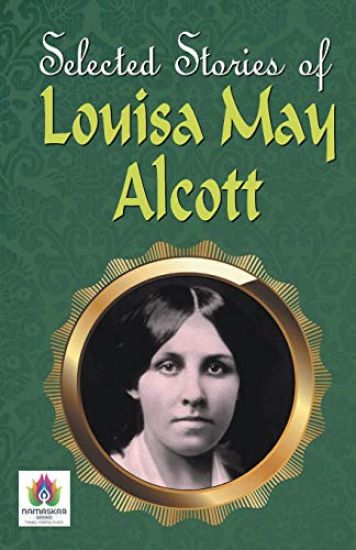
Louisa May Alcott (November 29, 1832 - March 6, 1888) was an American novelist, short story writer and poet best known as the author of the novel Little Women (1868) and its sequels Little Men (1871) and Jo's Boys (1886). She began her writing career at an early age, with short stories for newspapers and magazines. What began as a series of stories in the 1860s became the classic American children's novel we know today as Little Women.
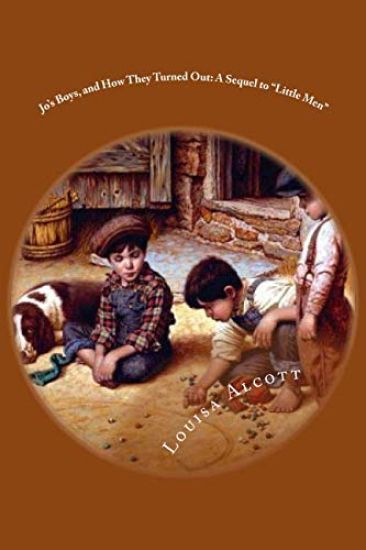
Jo's Boys, and How They Turned Out
Louisa May Alcott
Createspace Independent Publishing Platform
1886
pokkari
Jo's Boys, and How They Turned Out: A Sequel to "Little Men" is a novel by American author Louisa May Alcott, first published in 1886. The novel is the final book in the unofficial Little Women series. In it, Jo's "children," now grown, are caught up in real world troubles. The book mostly follows the lives of Plumfield boys who were introduced in Little Men, particularly Tommy, Emil, Demi, Nat, Dan, and Professor Bhaer and Jo's sons Rob and Teddy, although the others make frequent appearances as well. The book takes place ten years after Little Men. Dolly and George are college students dealing with the temptations of snobbery, arrogance, self-indulgence and vanity. Tommy becomes a medical student to impress childhood sweetheart Nan, but after "accidentally" falling in love with and proposing to Dora, he joins his family business.