
Kirjailija
Love L. Sechrest
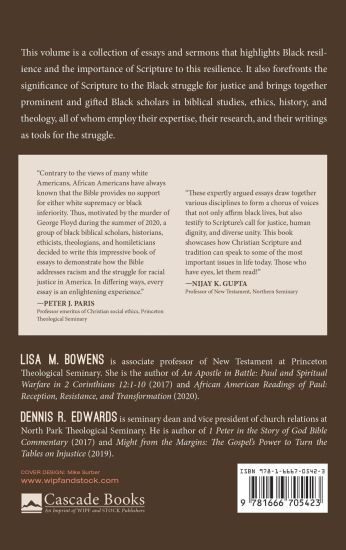
Kirjat ja teokset yhdessä paikassa: 4 kirjaa, julkaisuja vuosilta 2009–2023, suosituimpiin kuuluu Do Black Lives Matter?. Vertaile teosten hintoja ja tarkista saatavuus suomalaisista kirjakaupoista.
Nimi esiintyy myös muodoissa: Love L Sechrest
4 kirjaa
Kirjojen julkaisuvuodet: 2009–2023.

Sechrest describes Pauline Christianity as a nascent ancient racial group, drawing on a Jewish understanding of race in Second Temple Judaism. With analysis of nearly five thousand Jewish and non-Jewish passages about identity from around the turn of the era, the models presented describe ancient Greek and Jewish ethnic and racial identity. Further, these models become resources for examining the racial character of Paul's self-identity and the continuities and discontinuities between the three races in his social world: Jews, Gentiles, and Christians. Using historical and literary methods of exegesis for passages in the Pauline corpus, Sechrest describes Paul as someone who was born a Jew, but who later saw himself as a member of a different race. Analyzing Christian identity in Galatians in terms of membership criteria, membership indicia, and inter-group dynamics, a final section of the book contrasts the portrait of Paul that emerges from this study with those in Daniel Boyarin's A Radical Jew: Paul and the Politics of Identity and Brad Braxton's No Longer Slaves: Galatians and African American Experience. This section engages all three of these descriptions of community and identity, and illuminates the problems and opportunities contained in a modern appropriation of a racial construction of Christian identity.
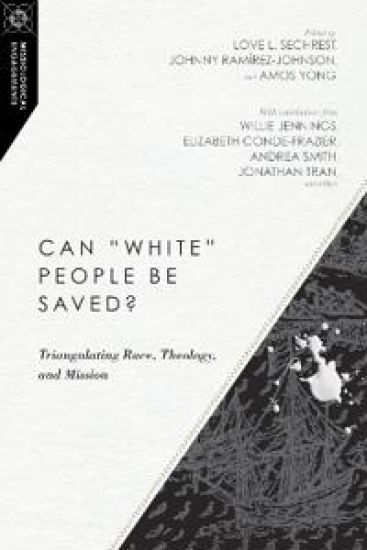
Can "White" People Be Saved? – Triangulating Race, Theology, and Mission
Love L. Sechrest; Johnny Ramírez–johnson; Amos Yong; Willie James Jennings; Elizabeth Conde–frazier
IVP Academic
2018
nidottu
Yes, White people can be saved. In God's redemptive plan, that goes without saying. But what about the reality of white normativity? This idea and way of being in the world has been parasitically joined to Christianity, and this is the ground of many of our problems today. It is time to redouble the efforts of the church and its institutions to muster well-informed, gospel-based initiatives to fight racialized injustice and overcome the heresy of whiteness. Written by a world-class roster of scholars, Can “White” People Be Saved? develops language to describe the current realities of race and racism. It challenges evangelical Christianity in particular to think more critically and constructively about race, ethnicity, migration, and mission in relation to white supremacy. Historical and contemporary perspectives from Africa and the African diaspora prompt fresh theological and missiological questions about place and identity. Native American and Latinx experiences of colonialism, migration, and hybridity inspire theologies and practices of shalom. And Asian and Asian American experiences of ethnicity and class generate transnational resources for responding to the challenge of systemic injustice. With their call for practical resistance to the Western whiteness project, the perspectives in this volume can revitalize a vision of racial justice and peace in the body of Christ. Missiological Engagements charts interdisciplinary and innovative trajectories in the history, theology, and practice of Christian mission, featuring contributions by leading thinkers from both the Euro-American West and the majority world whose missiological scholarship bridges church, academy, and society.

Sechrest describes Pauline Christianity as a nascent ancient racial group, drawing on a Jewish understanding of race in Second Temple Judaism. With analysis of nearly five thousand Jewish and non-Jewish passages about identity from around the turn of the era, the models presented describe ancient Greek and Jewish ethnic and racial identity. Further, these models become resources for examining the racial character of Paul's self-identity and the continuities and discontinuities between the three races in his social world: Jews, Gentiles, and Christians. Using historical and literary methods of exegesis for passages in the Pauline corpus, Sechrest describes Paul as someone who was born a Jew, but who later saw himself as a member of a different race. Analyzing Christian identity in Galatians in terms of membership criteria, membership indicia, and inter-group dynamics, a final section of the book contrasts the portrait of Paul that emerges from this study with those in Daniel Boyarin's A Radical Jew: Paul and the Politics of Identity and Brad Braxton's No Longer Slaves: Galatians and African American Experience. This section engages all three of these descriptions of community and identity, and illuminates the problems and opportunities contained in a modern appropriation of a racial construction of Christian identity.