Kirjojen hintavertailu – 12 903 725 kirjaa ja 27 kauppaa

Kirjailija

Lucie Armitt

Kirjat ja teokset yhdessä paikassa: 7 kirjaa, julkaisuja vuosilta 2005–2026, suosituimpiin kuuluu Gothic Travel through Haunted Landscapes. Vertaile teosten hintoja ja tarkista saatavuus suomalaisista kirjakaupoista.

7 kirjaa

Kirjojen julkaisuvuodet: 2005–2026.

Gothic Travel through Haunted Landscapes

Gothic Travel through Haunted Landscapes

Lucie Armitt; Scott Brewster

ANTHEM PRESS
2026
nidottu
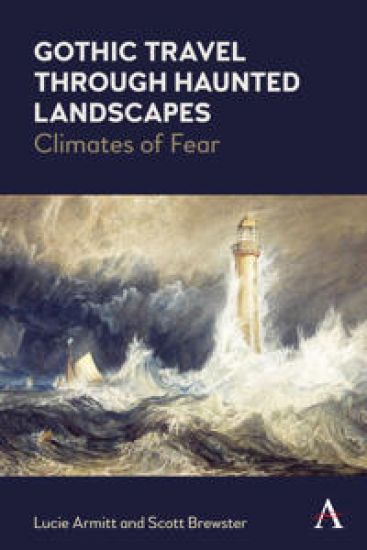
This book argues that the process and experience of travel in Gothic literature provides a unique and transformative perspective on the relationship between fear and recurring cultural preoccupations from the late eighteenth century to the present, ranging from concerns about climate change or the presence of the unseen to the negotiation of cultural difference and the apprehension produced by various modes of modern transport and unknown/unknowable terrain. The book follows travellers who take many fictional forms – tourists, commuters, walkers, explorers, as well as the ‘armchair tourist’ or reader – as they encounter fascinating, strange and often disconcerting weathers, climates, landscapes and topographies. Gothic travel epitomises the wonder, excitement, suspicion or incomprehension that arises from journeys through familiar and unfamiliar terrain. While exposure to the wild, elemental or primitive could produce the elevation of the sublime in early Gothic, increasingly the experience of travel raised unsettling questions about people, places and environments that lay beyond established frames of knowledge. Gothic travellers are haunted, never alone, and the experience of journeying through these landscapes provokes fears that may shadow them even after they have returned to ‘home’ ground. Climates of Fear reveals the persistent ways in which Gothic narratives of travel confront fears about the environment, surveillance, (im)migration and the foreign. These abiding concerns speak loudly to the present time, however, when the encroachments on our immediate surroundings – from climate change, digital communication and geopolitical dislocation – seem at once remote and intimate, invisible yet urgent. Thus the book also asks whether recent portrayals of Gothic journeys now pose different questions to the reader.
Gothic Travel through Haunted Landscapes

Gothic Travel through Haunted Landscapes

Lucie Armitt; Scott Brewster

Anthem Press
2022
sidottu
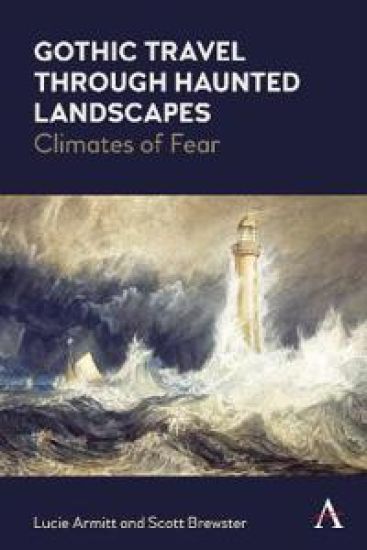
This book argues that the process and experience of travel in Gothic literature provides a unique and transformative perspective on the relationship between fear and recurring cultural preoccupations from the late eighteenth century to the present, ranging from concerns about climate change or the presence of the unseen to the negotiation of cultural difference and the apprehension produced by various modes of modern transport and unknown/unknowable terrain. The book follows travellers who take many fictional forms – tourists, commuters, walkers, explorers, as well as the ‘armchair tourist’ or reader – as they encounter fascinating, strange and often disconcerting weathers, climates, landscapes and topographies. Gothic travel epitomises the wonder, excitement, suspicion or incomprehension that arises from journeys through familiar and unfamiliar terrain. While exposure to the wild, elemental or primitive could produce the elevation of the sublime in early Gothic, increasingly the experience of travel raised unsettling questions about people, places and environments that lay beyond established frames of knowledge. Gothic travellers are haunted, never alone, and the experience of journeying through these landscapes provokes fears that may shadow them even after they have returned to ‘home’ ground. Climates of Fear reveals the persistent ways in which Gothic narratives of travel confront fears about the environment, surveillance, (im)migration and the foreign. These abiding concerns speak loudly to the present time, however, when the encroachments on our immediate surroundings – from climate change, digital communication and geopolitical dislocation – seem at once remote and intimate, invisible yet urgent. Thus the book also asks whether recent portrayals of Gothic journeys now pose different questions to the reader.
Fantasy

Fantasy

Lucie Armitt

Routledge
2020
sidottu
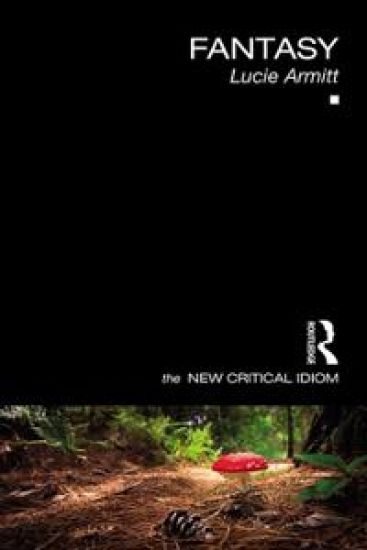
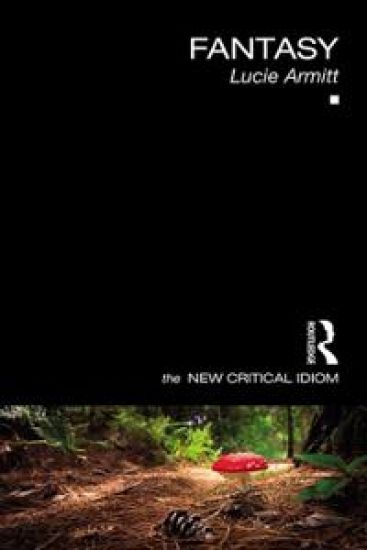
Fantasy provides an invaluable and accessible guide to the study of this fascinating field. Covering literature, film, television, ballet, light opera and visual art and featuring a historical overview from Ovid to the Toy Story franchise, this book takes the reader through the key landmark moments in the development of fantasy criticism. This comprehensive guide examines fantasy and politics, fantasy and the erotic, quest narratives and animal fantasy for children. The versatility and cultural significance of fantasy is explored, alongside the important role fantasy plays in our understanding of ‘the real’, from childhood onwards. Written in a clear, engaging style and featuring an extensive glossary of terms, this is the essential introduction to Fantasy.
Fantasy

Fantasy

Lucie Armitt

Routledge
2020
nidottu
Fantasy provides an invaluable and accessible guide to the study of this fascinating field. Covering literature, film, television, ballet, light opera and visual art and featuring a historical overview from Ovid to the Toy Story franchise, this book takes the reader through the key landmark moments in the development of fantasy criticism. This comprehensive guide examines fantasy and politics, fantasy and the erotic, quest narratives and animal fantasy for children. The versatility and cultural significance of fantasy is explored, alongside the important role fantasy plays in our understanding of ‘the real’, from childhood onwards. Written in a clear, engaging style and featuring an extensive glossary of terms, this is the essential introduction to Fantasy.
History of the Gothic: Twentieth-Century Gothic

History of the Gothic: Twentieth-Century Gothic

Lucie Armitt

University of Wales Press
2009
nidottu
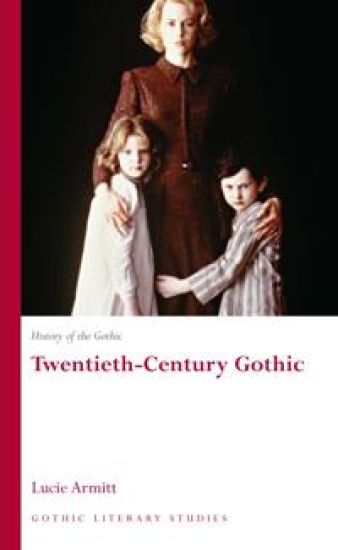
Why, at a time when the majority of us no longer believe in ghosts, demons or the occult, does Gothic continue to have such a strong grasp upon literature, cinema and popular culture? This book answers the question by exploring some of the ways in which we have applied Gothic tropes to our everyday fears. The book opens with The Turn of the Screw, a text dealing in the dangers adults pose to children whilst simultaneously questioning the assumed innocence of all children. Staying with the domestic arena, it explores the various manifestations undertaken by the haunted house during the twentieth century, from the bombed-out spaces of the blitz ('The Demon Lover' and The Night Watch) to the designer bathrooms of wealthy American suburbia (What Lies Beneath). The monsters that emerge through the uncanny surfaces of the Gothic can also be terror monsters, and after a discussion of terrorism and atrocity in relation to burial alive, the book examines the relationship between the human and the inhuman through the role of the beast monster as manifestation of the evil that resides in our midst (The Hound of the Baskervilles and The Birds). It is with the dangers of the body that the Gothic has been most closely associated and, during the later twentieth century, paranoia attaches itself to skeletal forms and ghosts in the wake of the HIV/AIDS crisis. Sexuality and/as disease is one of the themes of Patrick McGrath's work (Dr Haggard's Disease and 'The Angel') and the issue of skeletons in the closet is also explored through Henry James's 'The Jolly Corner'. However, sexuality is also one of the most liberating aspects of Gothic narratives. After a brief discussion of camp humour in British television drama series Jekyll, the book concludes with a discussion of the apparitional lesbian through the work of Sarah Waters.
Fantasy Fiction

Fantasy Fiction

Lucie Armitt

Continuum International Publishing Group Ltd.
2005
nidottu
A series of introductory books, the Genre Series offers students, writers and academics a window into some of the most popular topics, styles and periods in literature. Designed to be user-friendly, each volume shares the same structure, including: A broad definition of the genre and its essential elements; A timeline of historical developments; Critical concerns to bear in mind while reading; Detailed readings of several key texts; In-depth analysis of major themes and issues; Signposts for further study; A summary of the most important criticism in the field; A glossary of terms; An annotated, critical reading list.
Fantasy Fiction

Fantasy Fiction

Lucie Armitt

Continuum International Publishing Group Ltd.
2005
sidottu
A series of introductory books, the Genre Series offers students, writers and academics a window into some of the most popular topics, styles and periods in literature. Designed to be user-friendly, each volume shares the same structure, including: A broad definition of the genre and its essential elements; A timeline of historical developments; Critical concerns to bear in mind while reading; Detailed readings of several key texts; In-depth analysis of major themes and issues; Signposts for further study; A summary of the most important criticism in the field; A glossary of terms; An annotated, critical reading list.