Kirjailija
Lucie Duff Gordon
Kirjat ja teokset yhdessä paikassa: 33 kirjaa, julkaisuja vuosilta 1997–2026, suosituimpiin kuuluu Letters from Egypt, 1863-65. [Edited by Sarah Austin.]. Vertaile teosten hintoja ja tarkista saatavuus suomalaisista kirjakaupoista.
Nimi esiintyy myös muodoissa: Lucie Duff-Gordon
33 kirjaa
Kirjojen julkaisuvuodet: 1997–2026.
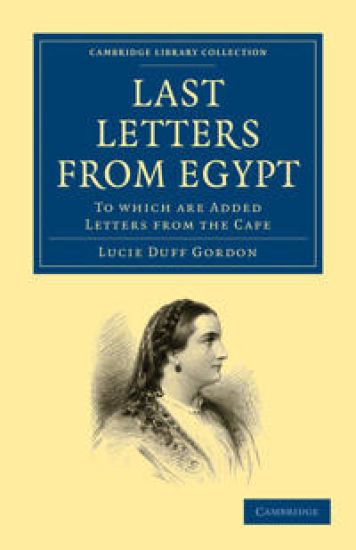
Lucie Duff Gordon (1821–1869) was a translator and travel writer. Forced to leave England in 1851 due to tuberculosis, she went first to South Africa and then to Egypt. Her letters home were published with considerable success. She writes with great feeling about the ordinary life of the Egyptians: her interest in and sympathy with them is clear, and her affection for them led her to criticise the derogatory way in which many western visitors regarded them. This second, posthumous volume (the first, Letters from Egypt, 1863-65, is also reissued in this series) contains not only the letters from the latter half of her time in Egypt, but also her letters from the Cape, and a memoir by her daughter, Janet Ross.
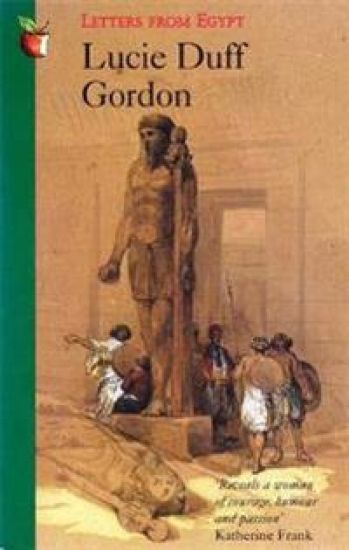
Lady Duff Gordon's Letters from Egypt
Lucie Duff Gordon; Janet Ross; George (CON) Meredith
Kessinger Pub
2008
pokkari
Narratives of Remarkable Criminal Trials
Anselm Ritter Von Feuerbach; Lucie Duff Gordon
Kessinger Pub
2008
sidottu
The History and Literature of the Crusades
Heinrich Von Sybel; Lucie Duff Gordon
Kessinger Pub
2007
pokkari
'The fearless nineteenth century English Lady who lived on top of an Egyptian temple' TOBY WILKINSON, TELEGRAPH 'A lyrical, sharply observed, often humorous' KATHERINE FRANK In 1862, Lucie Duff Gordon, cousin of Harriet Martineau and friend of Caroline Norton, Meredith and Thackeray, embarked on a solo trip to Egypt in an effort to rid herself of consumption. The next seven years were spent in a ruined house above a temple in Luxor on the Nile. Feeling at home in this most foreign of lands, Lucie Duff Gordon integrated herself quickly in the locale, setting up a hospital from her home and welcoming the people of Luxor, be they officials or slaves into her house. The absorbing story told through her letters offers a wonderfully penetrating and sympathetic view of mid-nineteenth century Egypt as well as the personal story of this brave and generous woman.