Kirjojen hintavertailu – 12 859 819 kirjaa ja 27 kauppaa

Kirjailija

Lucy Noakes

Kirjat ja teokset yhdessä paikassa: 10 kirjaa, julkaisuja vuosilta 1997–2026, suosituimpiin kuuluu The People's Victory. Vertaile teosten hintoja ja tarkista saatavuus suomalaisista kirjakaupoista.

10 kirjaa

Kirjojen julkaisuvuodet: 1997–2026.

The People's Victory

The People's Victory

Lucy Noakes

Atlantic Books
2026
nidottu
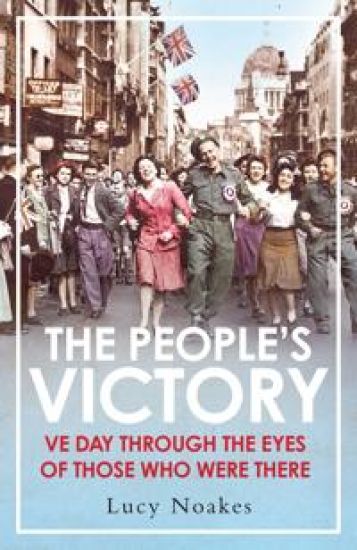
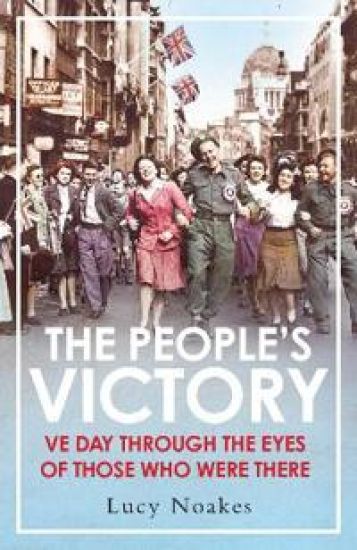
'The VE Day book' Amol Rajan, Today, Radio 4 IN 1937, Charles Madge and Tom Harrisson created the social survey organisation Mass Observation to capture the thoughts, feelings and minutiae of individuals across the British Isles. At its height Mass Observation had 1,000 concurrent writers - stretching from Penzance to Aberdeen and including miners, academics and housewives - and collected over 1 million individual diary entries between 1937 and 1960. In The People's Victory, historian Lucy Noakes mines the Mass Observation archive to present a groundbreaking history of how Britons at home celebrated and experienced the end of World War II. Alongside street celebrations and tea parties, we find bonfires and bell ringing, water fights and wagon rides, solitary and shared walks - and copious amounts of alcohol. However, as Noakes also reveals, not everyone felt like celebrating that May: many were still waiting for news of family members who had vanished in the fog of war, whilst thousands of British soldiers were still interned in the Far East. By centring the voices, feelings and fears of the public at the heart of the People's War, Noakes also traces the hopes and changing attitudes of a nation in flux, revealing how the camaraderie and selflessness of wartime led to the birth of the welfare state.
Capturing Commemoration

Capturing Commemoration

Lucy Noakes; Catriona Pennell; Emma Hanna; Lorna Hughes

BERGHAHN BOOKS
2025
sidottu
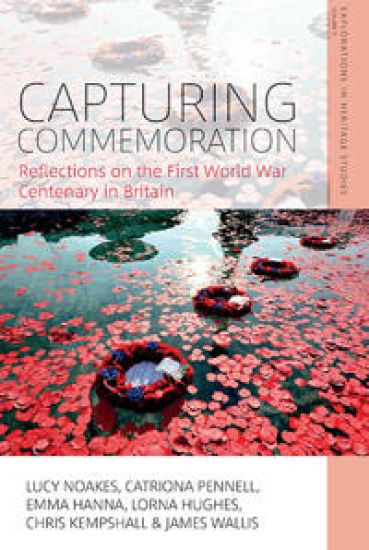
The First World War Centenary of 2014-2018 was a defining period of public engagement in the United Kingdom. Capturing Commemoration provides the first dedicated examination of this period and the activities that marked it. Collaboratively written by leading experts in the field, this study explores how the Centenary was marked as both a national and a transnational commemoration, how it defined national identity, as well as how it was transmitted within museum exhibitions, digital spaces, and amongst younger generations. In doing so, this volume reflects on the ‘collaborative turn’ taking place within public history, and its implications for cooperation between the academy and the public.
The People's Victory

The People's Victory

Lucy Noakes

Atlantic Books
2025
sidottu

Halvin toimitettuna 36,90 €

'The VE Day book' Amol Rajan, Today, Radio 4'Although redolent with the scent of bonfires and patterned with the crisscross of bunting, The People's Victory does far more than just paint a picture of VE Day; it captures the emotional complexity of a moment that was both an end and a beginning' Becky Brown, editor of Blitz SpiritIN 1937, Charles Madge and Tom Harrisson created the social survey organisation Mass Observation to capture the thoughts, feelings and minutiae of individuals across the British Isles. At its height Mass Observation had 1,000 concurrent writers - stretching from Penzance to Aberdeen and including miners, academics and housewives - and collected over 1 million individual diary entries between 1937 and 1960. In The People's Victory, historian Lucy Noakes mines the Mass Observation archive to present a groundbreaking history of how Britons at home celebrated and experienced the end of World War II. Alongside street celebrations and tea parties, we find bonfires and bell ringing, water fights and wagon rides, solitary and shared walks - and copious amounts of alcohol. However, as Noakes also reveals, not everyone felt like celebrating that May: many were still waiting for news of family members who had vanished in the fog of war, whilst thousands of British soldiers were still interned in the Far East. By centring the voices, feelings and fears of the public at the heart of the People's War, Noakes also traces the hopes and changing attitudes of a nation in flux, revealing how the camaraderie and selflessness of wartime led to the birth of the welfare state.
War and the British

War and the British

Lucy Noakes

Bloomsbury Academic
2023
nidottu
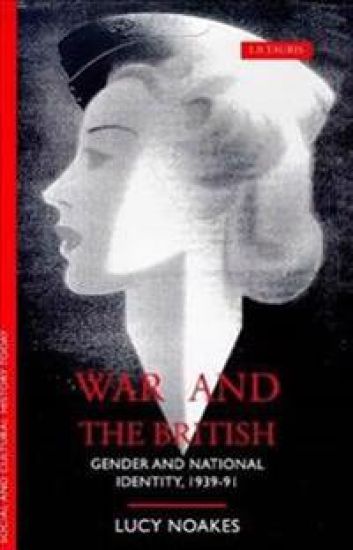
Popular memory of World War II was the dominant factor contributing to a sense of national identity in the Falklands War of 1982 and the Gulf War of 1991. This book examines public and private ideas of national identity, how they were arrived at and the extent to which they were shaped by gender. It provides a synthesis between the key concepts of "national identity", "popular memory" and gender as a social and cultural construct. Recent studies of World War II, and popular memory of the war, have focused on the extent to which it is remembered as a "people's war". This book builds on this work by examining how ideas about gender shaped the experiences of the war and its memory and concludes that despite women's wartime role in "total war", men in the armed forces were encouraged to regard themselves as being bound together in unity by masculinity and common experience, while women remained individuals with prime responsibilities to home and family. Their role as active participants remained "problematic" and remained problematic after the Gulf War in 1991.
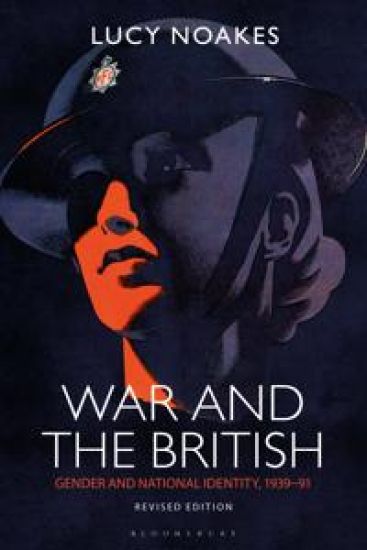
War and the British

War and the British

Lucy Noakes

BLOOMSBURY PUBLISHING PLC
2023
nidottu
We know that conflict, and people's memory of it, profoundly shapes both individual selfhoods and social identities. War and the British explores key ideas of British collective nationhood and personal identity, and in particular shines an important spotlight on the impact of gender on Britain's national consciousness, from the outbreak of World War II in 1939 to the end of the Gulf War in 1991. This book builds on current historiography by examining how notions about gender shaped the experiences of the war and how it was remembered in the collective public consciousness. It argues that, despite women's wartime role in 'total war', men in the armed forces were encouraged to regard themselves as being bound together in unity by masculinity and common experience, while women remained individuals with prime responsibilities to home and family. As Lucy Noakes shows, during the Second World War, the British government ensured that lipstick and corsets were never scarce, so that less soldiers returned from war disappointed by the ‘unfeminine’ women who greeted them. Thus, Noakes demonstrates how the conflicts strengthened gender boundaries by grouping men together in a masculine experience of combat from which women were strictly excluded. The 'People’s War' it was not. Now with a new preface, revised introduction and foreword by Penny Summerfield, War and the British provides an incisive analysis of public and private ideas of national identity in times of war and how they were shaped by gender. The result is a valuable addition to scholarly debates, which will be of interest to students and scholars studying the intersection of gender and war in Britain.
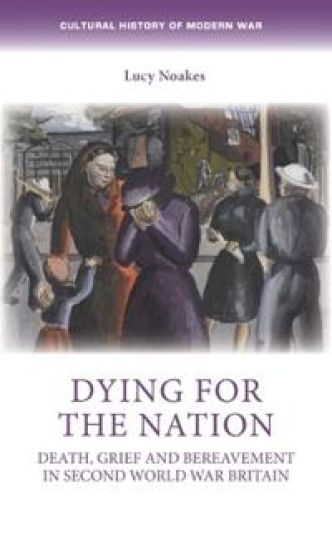
Dying for the Nation

Dying for the Nation

Lucy Noakes

MANCHESTER UNIVERSITY PRESS
2022
nidottu
Death in war matters. It matters to the individual, threatened with their own death, or the death of loved ones. It matters to groups and communities who have to find ways to manage death, to support the bereaved and to dispose of bodies amidst the confusion of conflict. It matters to the state, which has to find ways of coping with mass death that convey a sense of gratitude and respect for the sacrifice of both the victims of war, and those that mourn in their wake. This social and cultural history of Britain in the Second World War places death at the heart of our understanding of the British experience of conflict. Drawing on a range of material, Dying for the nation demonstrates just how much death matters in wartime and examines the experience, management and memory of death. It will appeal to anyone with an interest in the social and cultural history of Britain in the Second World War.
Dying for the Nation

Dying for the Nation

Lucy Noakes

Manchester University Press
2020
sidottu
Death in war matters. It matters to the individual, threatened with their own death, or the death of loved ones. It matters to groups and communities who have to find ways to manage death, to support the bereaved and to dispose of bodies amidst the confusion of conflict. It matters to the state, which has to find ways of coping with mass death that convey a sense of gratitude and respect for the sacrifice of both the victims of war, and those that mourn in their wake. This social and cultural history of Britain in the Second World War places death at the heart of our understanding of the British experience of conflict. Drawing on a range of material, Dying for the nation demonstrates just how much death matters in wartime and examines the experience, management and memory of death. The book will appeal to anyone with an interest in the social and cultural history of Britain in the Second World War.
Women in the British Army

Women in the British Army

Lucy Noakes

Routledge
2006
sidottu
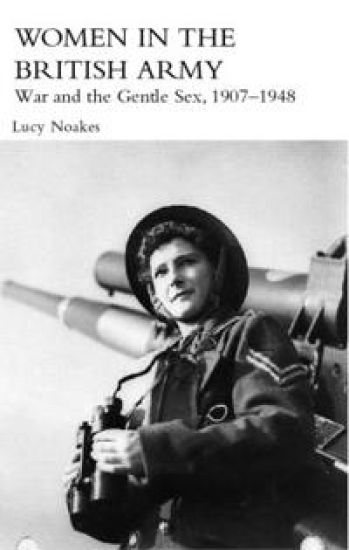
In this fascinating, timely and engaging study, Lucy Noakes examines women's role in the army and female military organizations during the First and Second World Wars, during peacetime, in the interwar era and in the post-war period. Providing a unique examination of women’s struggle for acceptance by the British army, Noakes argues that women in uniform during the first half of the twentieth century challenged traditional notions of gender and threatened to destabilise clear-cut notions of identity by unsettling the masculine territory of warfare. Noakes also examines the tensions that arose as the army attempted to reconcile its need for female labour with their desire to ensure that the military remained a male preserve. Drawing on a range of archival sources, including previously unpublished letters and diaries, official documents, newspapers and magazines, Women in the British Army uncovers the gendered discourses of the army to reveal that it was a key site in the formation of male and female identities.
Women in the British Army

Women in the British Army

Lucy Noakes

Routledge
2006
nidottu
In this fascinating, timely and engaging study, Lucy Noakes examines women's role in the army and female military organizations during the First and Second World Wars, during peacetime, in the interwar era and in the post-war period. Providing a unique examination of women’s struggle for acceptance by the British army, Noakes argues that women in uniform during the first half of the twentieth century challenged traditional notions of gender and threatened to destabilise clear-cut notions of identity by unsettling the masculine territory of warfare. Noakes also examines the tensions that arose as the army attempted to reconcile its need for female labour with their desire to ensure that the military remained a male preserve. Drawing on a range of archival sources, including previously unpublished letters and diaries, official documents, newspapers and magazines, Women in the British Army uncovers the gendered discourses of the army to reveal that it was a key site in the formation of male and female identities.
War and the British

War and the British

Lucy Noakes

I.B. Tauris
1997
sidottu
Popular memory of World War II was the dominant factor contributing to a sense of national identity in the Falklands War of 1982 and the Gulf War of 1991. This text looks at public and private ideas of national identity, how they were arrived at and the extent to which they were shaped by gender. It provides a synthesis between the key concepts of "national identity", "popular memory" and gender as a social and cultural construct. Recent studies of World War II, and popular memory of the war, have focused on the extent to which it is remembered as a "people's war". This book builds on this work by examining how ideas about gender shaped the experiences of the war and its memory and concludes that despite women's wartime role in "total war", men in the armed forces were encouraged to regard themselves as being bound together in unity by masculinity and common experience, while women remained individuals with prime responsibilities to home and family. Their role as active participants remained "problematic" and remained so even the Gulf War in 1991.