Kirjojen hintavertailu – 12 859 829 kirjaa ja 27 kauppaa

Kirjailija

Lucy Valerie Graham

Kirjat ja teokset yhdessä paikassa: 3 kirjaa, julkaisuja vuosilta 2012–2015, suosituimpiin kuuluu Print, Text and Book Cultures in South Africa. Vertaile teosten hintoja ja tarkista saatavuus suomalaisista kirjakaupoista.

3 kirjaa

Kirjojen julkaisuvuodet: 2012–2015.

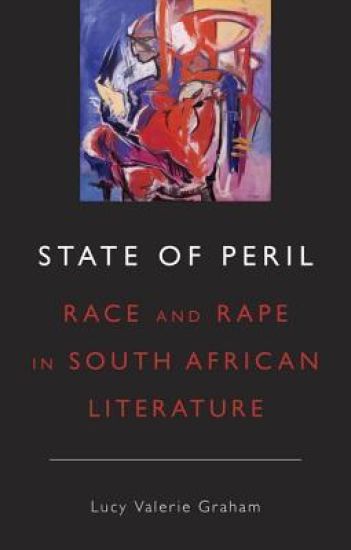
State of Peril

State of Peril

Lucy Valerie Graham

Oxford University Press Inc
2015
nidottu
Considering fiction from the colonial era to the present, State of Peril offers the first sustained, scholarly examination of rape narratives in the literature of a country that has extremely high levels of sexual violence. Lucy Graham demonstrates how, despite the fact that most incidents of rape in South Africa are not interracial, narratives of interracial rape have dominated the national imaginary. Seeking to understand this phenomenon, the study draws on Michel Foucault's ideas on sexuality and biopolitics, as well as Judith Butler's speculations on race and cultural melancholia. Historical analysis of the body politic provides the backdrop for careful, close readings of literature by Olive Schreiner, Sol Plaatje, Sarah Gertrude Millin, Njabulo Ndebele, J. M. Coetzee, Zoë Wicomb and others. Ultimately, State of Peril argues for ethically responsible interpretations that recognize high levels of sexual violence in South Africa while parsing the racialized inferences and assumptions implicit in literary representations of bodily violation.
Print, Text and Book Cultures in South Africa

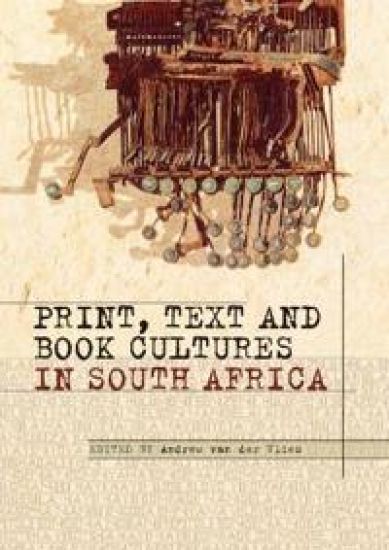
Print, Text and Book Cultures in South Africa

Barnard Rita; Leon Kock; Archie L. Dick; Distiller Natasha; Patrick Denman Flanery; Gouws John; Lucy Valerie Graham; Hofmeyr Isabel; Kriel Lize; Law-Viljoen Bronwyn; Elizabeth le Roux; McDonald Peter D.; Nuttall Sarah; Opland Jeff; Lily Saint; Samuelson Meg; Seddon Deborah; Hedley Twidle; Andrew van der Vlies; Margriet van der Waal; Zimbler Jarad

Wits University Press
2012
nidottu
This book explores the power of print and the politics of the book in South Africa from a range of disciplinary perspectives - historical, bibliographic, literary-critical, sociological, and cultural studies. The essays collected here, by leading international scholars, address a range of topics as varied as: the role of print cultures in contests over the nature of the colonial public sphere in the nineteenth century; orthography; iimbongi, orature and the canon; book-collecting and libraries; print and transnationalism; Indian Ocean cosmopolitanisms; books in war; how the fates of South African texts, locally and globally, have been affected by their material instantiations; photocomics and other ephemera; censorship, during and after apartheid; books about art and books as art; local academic publishing; and the challenge of 'book history' for literary and cultural criticism in contemporary South Africa.
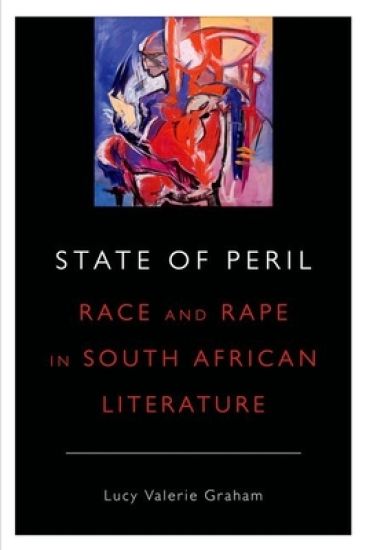
State of Peril

State of Peril

Lucy Valerie Graham

Oxford University Press Inc
2012
sidottu
This is a study of South African literature through the prism of narratives of sexual violence. While most incidents of sexual assault in South Africa are not interracial, narratives of interracial rape have dominated the national imaginary. South African literature has again and again circled back to images of "black peril" (representations of the rape of white women by black men) and "white peril" representations that show the rape of colonised women by colonising men. Taking an historical and comparative perspective, the book uses as theoretical underpinning Michel Foucault's ideas on sexuality and biopolitics and Judith Butler's speculations on race and cultural melancholia. Avoiding a simplistic feminist perspective, the book examines the complex ways in which race, gender and class work together in the literary texts under examination. Where relevant, it examines the production, dissemination and reception of the selected texts. The books argues for an ethically responsible and dialectical approach that recognises high levels of sexual violence in South Africa, but also examines the racialised inferences and assumptions implicit in representations of bodily violation.