Kirjojen hintavertailu – 12 859 819 kirjaa ja 27 kauppaa

Kirjailija

Ludivine Broch

Kirjat ja teokset yhdessä paikassa: 3 kirjaa, julkaisuja vuosilta 2016–2025, suosituimpiin kuuluu Ordinary Workers, Vichy and the Holocaust. Vertaile teosten hintoja ja tarkista saatavuus suomalaisista kirjakaupoista.

3 kirjaa

Kirjojen julkaisuvuodet: 2016–2025.

The Phantom Train: Deporting Prisoners from Occupied France

The Phantom Train: Deporting Prisoners from Occupied France

Martin Sorrell; Ludivine Broch

PEN SWORD BOOKS LTD
2025
sidottu
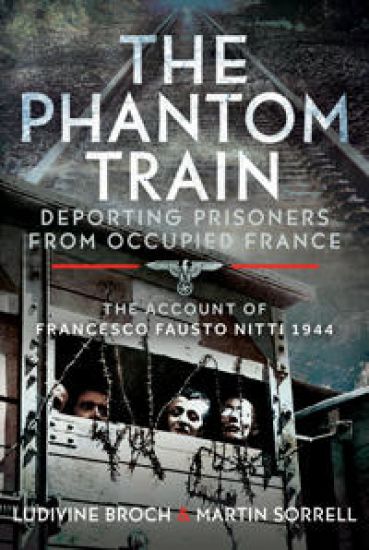
On 3 July 1944, a train of cattle wagons set out from Toulouse, heading for Germany. Crammed inside eventually were 724 souls of various nationalities and backgrounds, all of whom the German occupiers had held captive in concentration camps and prisons across south-western France. Among them was Francesco Fausto Nitti, an Italian antifascist activist who had survived Mussolini’s gaols and the Spanish Civil War. The journey to Dachau was expected to take three days. Instead – bombed, re-routed and often immobilised – it lasted for two months, making it the longest of all deportation journeys out of France during the Second World War. Nitti kept a daily log of the odyssey of the Phantom Train, as it has become known, and the document was in his pocket when, on 25 August, he and some fellow captives made a perilous last-minute escape by removing some of their wagon’s floorboards and lowering themselves onto the track as the train sped through the night. Once back with his family and the Resistance, Nitti turned his log into a book, which was published at the end of 1944 by a small press run by a Resistance member. Now, with this first English translation of The Phantom Train and an extended introduction, a whole new readership can learn about that never-ending journey to Dachau and everything that led up to it, and marvel at the determination and endurance of some courageous people, notably the remarkable Francesco Fausto Nitti.
Ordinary Workers, Vichy and the Holocaust

Ordinary Workers, Vichy and the Holocaust

Ludivine Broch

Cambridge University Press
2019
pokkari
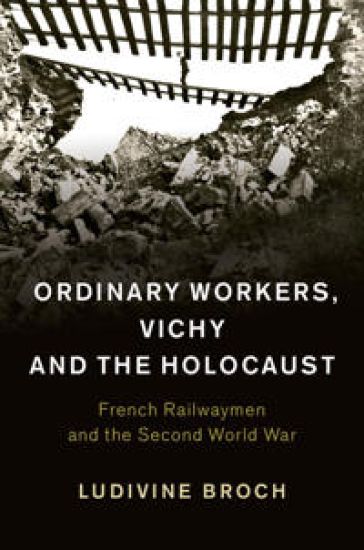
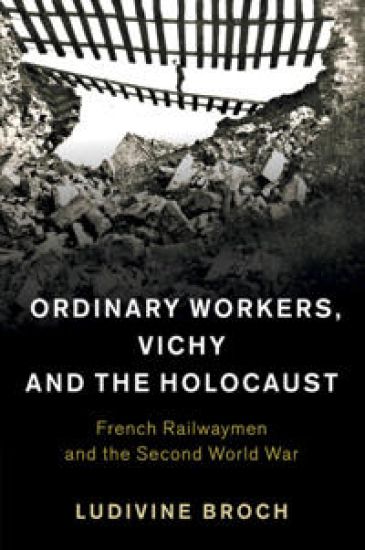
Should French railwaymen during the Second World War be viewed as great resisters or collaborators in genocide? Ludivine Broch revisits histories of resistance, collaboration and deportation in Vichy France through the prism of the French railwaymen – the cheminots. De-sanctifying the idea of railwaymen as heroic saboteurs, Broch reveals the daily life of these workers who accommodated with the Vichy regime, cohabitated with the Germans and stole from their employer. Moreover, by intertwining the history of the working classes with Holocaust history, she highlights unexpected histories under Vichy and sensitive memories of the post-war period. Ultimately, this book bursts the myths of cheminot resistance and collaboration in the Holocaust, and reveals that there is more to their story than this. The cheminots fed both the French nation and the German military apparatus, exemplifying the complexities of personal, professional and political life under occupation.
Ordinary Workers, Vichy and the Holocaust

Ordinary Workers, Vichy and the Holocaust

Ludivine Broch

Cambridge University Press
2016
sidottu
Should French railwaymen during the Second World War be viewed as great resisters or collaborators in genocide? Ludivine Broch revisits histories of resistance, collaboration and deportation in Vichy France through the prism of the French railwaymen – the cheminots. De-sanctifying the idea of railwaymen as heroic saboteurs, Broch reveals the daily life of these workers who accommodated with the Vichy regime, cohabitated with the Germans and stole from their employer. Moreover, by intertwining the history of the working classes with Holocaust history, she highlights unexpected histories under Vichy and sensitive memories of the post-war period. Ultimately, this book bursts the myths of cheminot resistance and collaboration in the Holocaust, and reveals that there is more to their story than this. The cheminots fed both the French nation and the German military apparatus, exemplifying the complexities of personal, professional and political life under occupation.