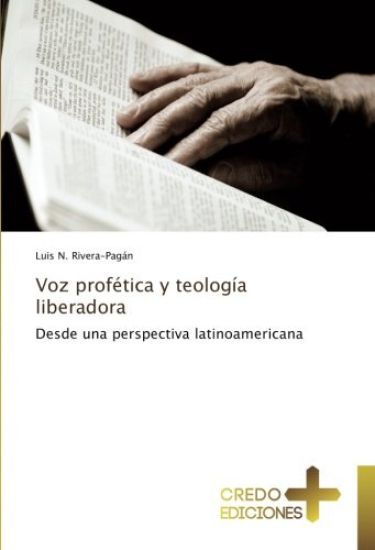
Luis N. Rivera Pag n en su libro Historia de la conquista de Am rica: Evangelizaci n y violencia nos describe c mo este libro se concibi en medio de los intensos debates sobre el quinto centenario del "descubrimiento de Am rica". Esos debates estimularon y fertilizaron la investigaci n hist rica sobre los pueblos americanos. Tambi n propici la publicaci n de grandes textos relativos al descubrimiento y la conquista, algunos in ditos durante varios siglos. El libro se divide en tres partes. La primera --Descubrimiento, conquista y evangelizaci n-- relata los hechos desde una perspectiva cr tica, ante la cual se desvela el v nculo ntimo entre el descubrimiento y la conquista, como una toma de posesi n de tierras y personas, legitimada por conceptos, im genes y s mbolos religiosos. La segunda --Libertad y servidumbre en la conquista de Am rica-- analiza los elementos centrales de la gran porf a te rica de la conquista: la licitud de la abrogaci n de la autonom a de los pueblos abor genes y los sistemas de trabajo forzoso --esclavitud y encomienda-- que se les impuso, tanto a ellos como a las comunidades africanas que se importaban en gran n mero, como seres desprovistos de libertad pol tica y autonom a personal. La tercera --Hacia una cr tica teol gica de la conquista-- intenta desarrollar justamente lo que su t tulo sugiere: una evaluaci n no paneg rica de la conquista a la luz de los conceptos, im genes y s mbolos evang licos que ella misma enarbol como su paradigma de legitimidad. History of the conquest of AmericaLuis N. Rivera Pag n in his book, The Conquest of America: Evangelization and violence, describes how this book was conceived in the midst of the intense debates on the fifth centenary of the "discovery of America". These debates stimulated and fertilized historical research on the American peoples. It also encouraged the publication of the great texts relating to the discovery and conquest, some of which had remained unpublished for several centuries. The book is divided into three parts. The first - "Discovery, Conquest and Evangelization"- relates the facts from a critical perspective, revealing the intimate link between discovery and conquest, as a takeover of land and people, legitimized by religious concepts, images and symbols. The second - "Freedom and servitude in the conquest of America"- analyzes the central elements of the great theoretical challenge of the conquest: the lawfulness of the abrogation of the autonomy of the aboriginal peoples and the systems of forced labor -slavery and encomienda- imposed on them and on the African communities that were imported in great numbers, as beings devoid of political freedom and personal autonomy. The third - "Towards a theological critique of the conquest"- attempts to develop precisely what its title suggests: a non-panegyric evaluation of the conquest in the light of the evangelical concepts, images and symbols that the conquest itself raised as its paradigm of legitimacy.