
Kirjojen hintavertailu – 12 903 725 kirjaa ja 27 kauppaa

Kirjailija

Luisa Conti

Kirjat ja teokset yhdessä paikassa: 2 kirjaa, julkaisuja vuosilta 2021–2023, suosituimpiin kuuluu Promoting Children's Rights in European Schools. Vertaile teosten hintoja ja tarkista saatavuus suomalaisista kirjakaupoista.

2 kirjaa

Kirjojen julkaisuvuodet: 2021–2023.

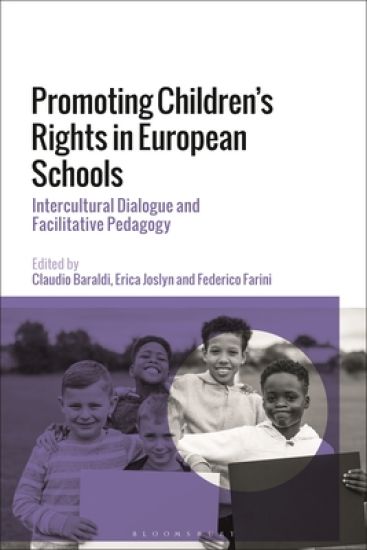
Promoting Children's Rights in European Schools

Promoting Children's Rights in European Schools

Claudio Baraldi; Erica Joslyn; Federico Farini; Chiara Ballestri; Luisa Conti; Vittorio Iervese; Angela Scollan

BLOOMSBURY PUBLISHING PLC
2023
nidottu
Promoting Children’s Rights in European Schools explores how facilitators, teachers and educators can adopt and use a dialogic methodology to solicit children’s active participation in classroom communication. The book draws on a research project, funded by the European Commission (Erasmus +, Key-action 3, innovative education), coordinated by the University of Modena and Reggio Emilia, Italy, with the partnership of the University of Suffolk, UK, and the University of Jena, Germany. The author team bring together the analysis of activities in 48 classes involving at least 1000 children across England, Germany and Italy. These activities have been analysed in relation to the sociocultural context of the involved schools and children, a facilitative methodology and the use of visual materials in the classroom, and engaging children in active participation and the production of their own narratives. Each chapter looks at reflection on practice, outcomes, and reaction to facilitation of both teachers and children, drawing out the complex comparative lessons within and between classrooms across the three countries.
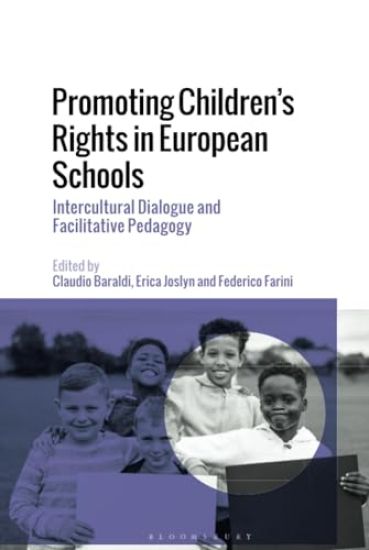
Promoting Children's Rights in European Schools

Promoting Children's Rights in European Schools

Claudio Baraldi; Erica Joslyn; Federico Farini; Chiara Ballestri; Luisa Conti; Vittorio Iervese; Angela Scollan

Bloomsbury Academic
2021
sidottu
Promoting Children’s Rights in European Schools explores how facilitators, teachers and educators can adopt and use a dialogic methodology to solicit children’s active participation in classroom communication. The book draws on a research project, funded by the European Commission (Erasmus +, Key-action 3, innovative education), coordinated by the University of Modena and Reggio Emilia, Italy, with the partnership of the University of Suffolk, UK, and the University of Jena, Germany. The author team bring together the analysis of activities in 48 classes involving at least 1000 children across England, Germany and Italy. These activities have been analysed in relation to the sociocultural context of the involved schools and children, a facilitative methodology and the use of visual materials in the classroom, and engaging children in active participation and the production of their own narratives. Each chapter looks at reflection on practice, outcomes, and reaction to facilitation of both teachers and children, drawing out the complex comparative lessons within and between classrooms across the three countries.