
Kirjailija
Luisa Valenzuela
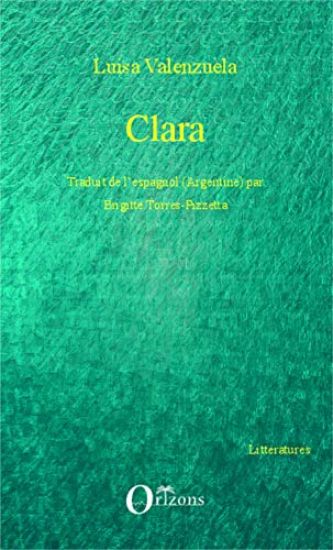
Kirjat ja teokset yhdessä paikassa: 9 kirjaa, julkaisuja vuosilta 1987–2023, suosituimpiin kuuluu Clara. Vertaile teosten hintoja ja tarkista saatavuus suomalaisista kirjakaupoista.
9 kirjaa
Kirjojen julkaisuvuodet: 1987–2023.
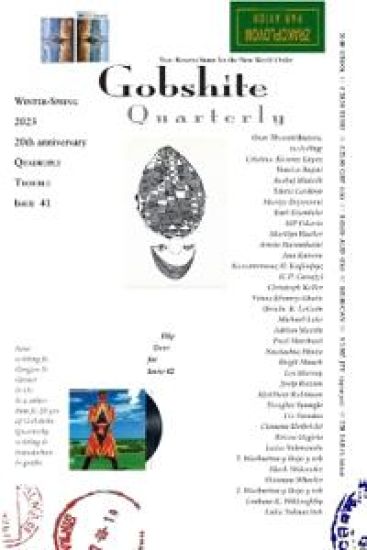
Gobshite Quarterly 2023, #41/42
Ursula K Le Guin; Luisa Valenzuela; Rick Moody
GobQ LLC
2023
pokkari
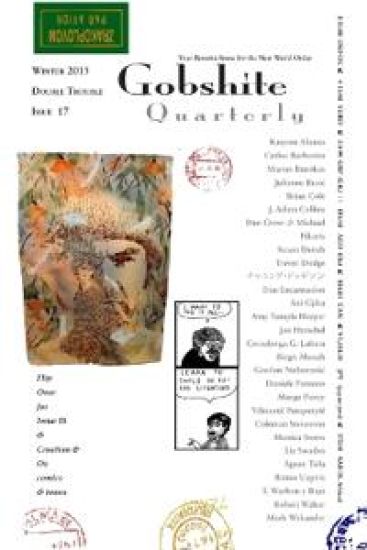
contributors include: Prize-winning Argentine Luisa Valenzuela, an early exponent of magical realism, who writes about mothers and knives; Argentine poet Carlos Barabrito, who writes about John Cage. New Yorker Liz Swados cartoons. Susan Daitch, who dissects a nightguard's sympathy with robots, Croatian artist Miroslav Nemeth, who describes his childhood in Zagreb in black & white linocuts, Croatian short story writer Gordon Nuhanovic, who becomes a spectacle at the hairdresser's. Also, Croatian poet Tomislav Marijan Bilosnic returns. Among Pacific Northwest writers, David Hapgood travels to Morocco, Jenny Forrester stands up to Colorado bullies, Coleman Stevenson has breakfast, Kassten Alonso goes to a punitive school on a punitive school bus, but learns to type. And there are feuilletons, typewriter collages, poetry from Lithuania, an Australian comic report on a trip to New York... A compendium of the global contemporary. Pan-lingual Gobshite Quarterly, where Paul Krassner meets V nus Khoury-Ghata, is my favorite source for Hungarian fiction that reads like a song ("Hogy jaj. jaj. jaj. semirol semmi fogalma nines..."). Here English language poems, short stories, and "reasoned rants" nervously traverse a dark alley, past hipster Arabs, dangerous Czechs, Spanish cantoras...- Chris Dodge, Utne Magazine
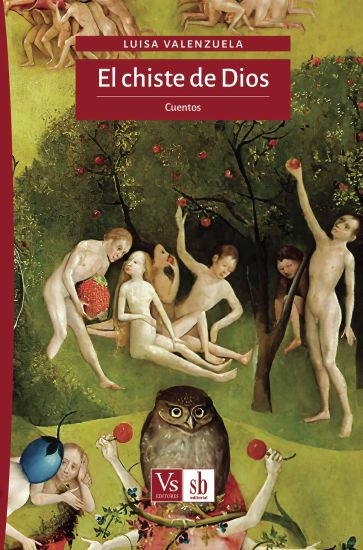
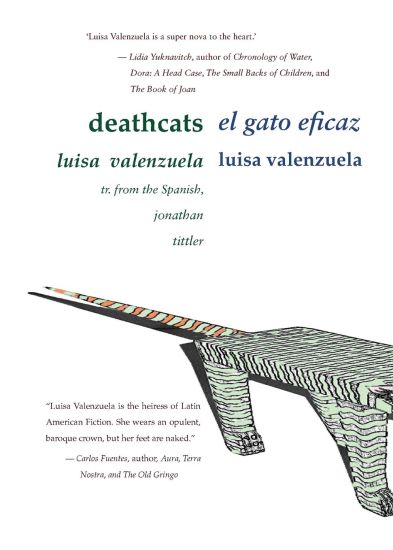
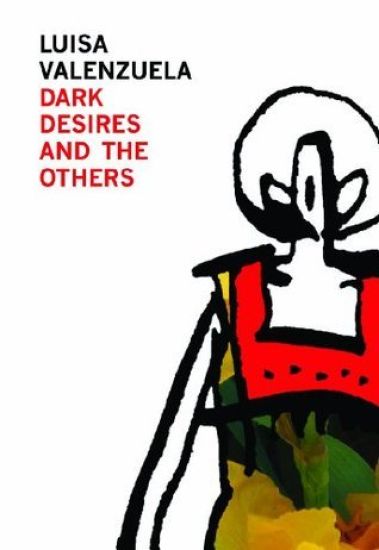
The passions, frustrations, fleeting affairs, and failed relationships of an Argentinian writer in New York.
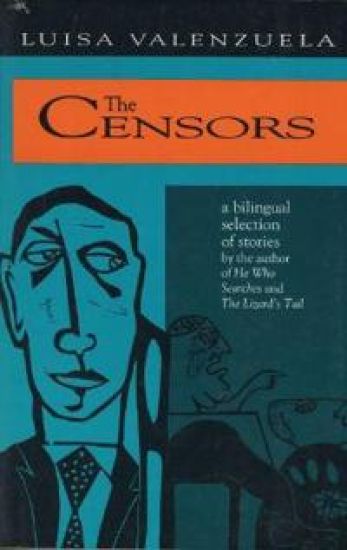
The Censors is the only bilingual collection of fiction by Luisa Valenzuela, one of Latin America's best known and most widely translated authors. This selection of stories from Clara, Strange Things Happen Here, and Open Door, which delves into the personal and political realities under authoritarian rule, gives a rich representation of her literary talent.
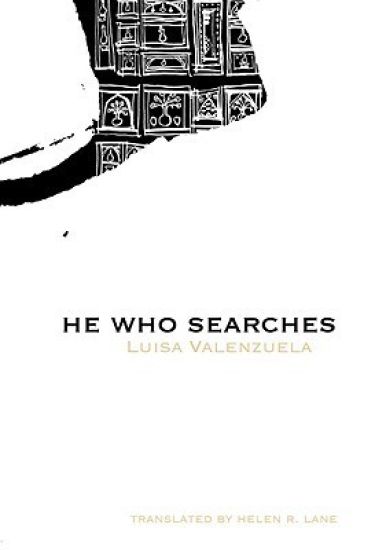
A professor of semiotics who doubles as a psychologist in Barcelona visits (always in disguise) a prostitute in the early morning hours on Mondays and Thursdays in order to analyze her without her knowing it. The story moves from Barcelona to Mexico to Buenos Aires, but above all it is about Argentina: its recent history, its 30,000 missing children, its stunned middle class, its writers in exile. He Who Searches is multifaceted in structure, combining narrative references to old-fashioned storytelling, realism, psychoanalysis, feminism, politics, and suspense, all of them tinged with a patina of eroticism that reflects a feminist perspective. Ultimately the disguises of the plot--transvestism, transsexualism, differing sexual points of view--become pieces in a puzzle tha can be taken apart to create other figures, other puzzles. It ends with its narrator back in Buenos Aires: He who searches, finds.